
Artists & Models
1937
No user ratings available yet
Representation score: 1.7 out of 10
Representation Score
Minimal
1934
PassedDirector
Roy Mack
Runtime
17 minutes
Average Rating
No ratings yetNew Showbiz Analysis
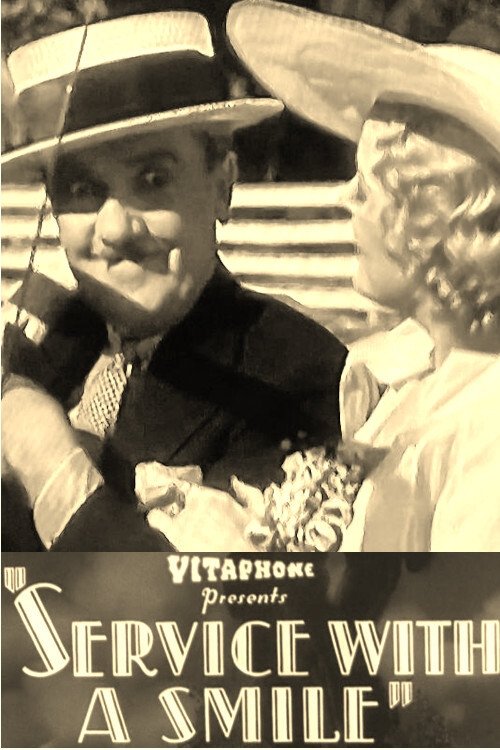
Service with a Smile is a product of its time, emphasizing conventional comedic elements over social diversity. The film's structure reflects the limited representation typical of 1934 cinema, focusing on standard musical comedy setups. While women are central to the premise through their roles as chorus girls, their roles tend to be more decorative and performative rather than a true challenge to existing social structures. The absence of racial or LGBTQ+ visibility suggests a reliance on the era's mainstream, homogeneous casting standards. Ultimately, the film serves as a period-typical comedy that upholds existing social hierarchies rather than challenging them.
Category Breakdown
The film does not include any characters with non-binary or LGBTQ+ identities. It follows the traditional assumptions that everyone is straight and cisgender.
Women play professional roles as chorus girls managing a gas station. However, their roles feel more decorative and performative rather than a true challenge to patriarchal structures.
There is no evidence of a diverse cast. The production seems to follow the homogeneous casting norms of the early 1930s musical comedies.
The plot uses insurance fraud as a comedic element. It reinforces traditional commercial structures without critiquing Western or capitalist institutions.
The narrative does not feature any characters with visible or invisible disabilities.
Present on Screen
Limited or Absent
Official Synopsis
Walter Webb, thinking his gas station has been destroyed, describes a "super-deluxe" gas station run by chorus girls to his insurance agent.
1937

1929
1933

1933

1949

1931
1932

1947
No reviews yet. Be the first to share your thoughts on this movie!
Use the rating form above to leave a star rating and optional review.