
Artists & Models
1937
No user ratings available yet
Representation score: 1.7 out of 10
Representation Score
Limited
1938
NRDirector
Mitchell Leisen
Runtime
90 minutes
Average Rating
No ratings yetNew Showbiz Analysis
Artists and Models Abroad is a product of the 1930s studio system, emphasizing glamour and class-based humor over social disruption. While the film offers a platform for female characters through the modeling troupe, its core narrative remains anchored in masculine deception and traditional social hierarchies. The film's Parisian setting does not introduce ethnic or cultural diversity, as the story adheres to a Western-centric comedic framework. It upholds the era's standard social structures rather than challenging them. Overall, the film operates as a conventional comedy of errors. It provides visibility for women in a professional context but fails to represent diverse identities or disrupt the status quo.
Category Breakdown
The film doesn't include any LGBTQ+ characters or stories that challenge traditional heterosexual norms. Instead, it focuses on classic romantic misunderstandings typical of 1930s comedies.
The film highlights a female-centric modeling troupe that showcases women's professional roles. However, the main plot revolves around male-driven schemes and social strategies.
Set in Paris, the story follows a Western-centric storyline. The homogeneous casting reflects the standard practices of the 1930s studio system.
The comedy centers on class distinctions and Western social hierarchies. It emphasizes wealth and valuable artifacts without questioning established social norms.
The film does not feature any characters with visible or invisible disabilities.
Present on Screen
Limited or Absent
Official Synopsis
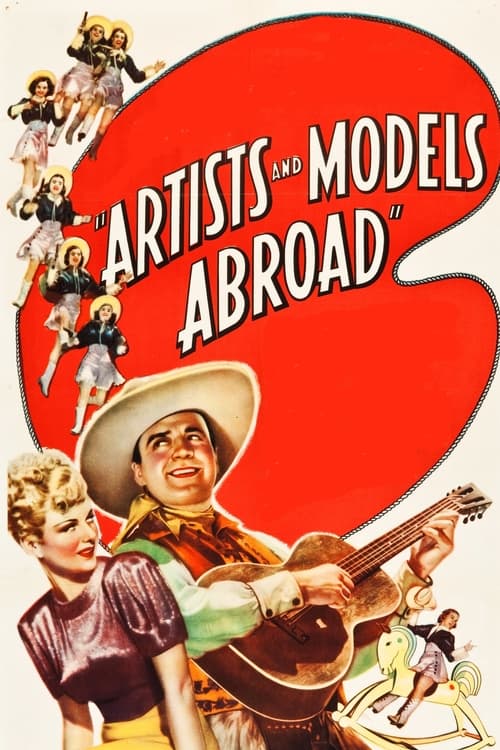
Buck Boswell and his all-girl troupe are stranded in Paris, but Buck manages to con the manager of the 'Hotel de Navarre' in furnishing accommodations for his group, but the proprietor's wife locks them out. In his search for funds, Buck meets Patricia Harper, the fourth-richest girl in the world, but he isn't aware of that and thinks she is penniless. Patricia joins his troupe as a lark, and her father, James Harper, also pretends he is broke. Through some chicanery, Buck gets jobs for the girls as models at the Palace of Feminine Arts at the Paris International Exposition. James Harper borrows the priceless Napoleaon necklace to have a copy made for his daughter, but Buck thinks he stole it.
1937
1937
1933
1930
1945
1939
1931
1935
No reviews yet. Be the first to share your thoughts on this movie!
Use the rating form above to leave a star rating and optional review.