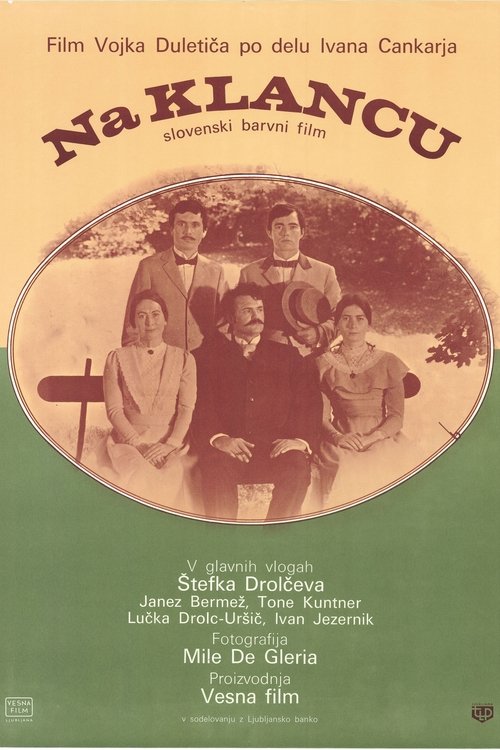
In the Gorge
1971
No user ratings available yet
Representation score: 5.7 out of 10
Representation Score
Fair
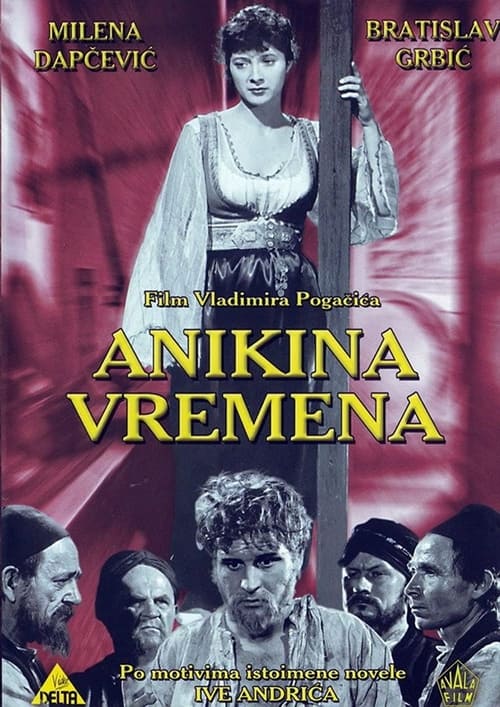
1954
Director
Vladimir Pogačić
Runtime
87 minutes
Average Rating
No ratings yetNew Showbiz Analysis
Legends of Anika (1954) provides a psychological study of social exile and autonomy. While limited by its mid-20th-century context, the film avoids simplistic moralizing by focusing on a woman who rejects traditional virtue in response to male rejection. The narrative's strength lies in its deconstruction of social mores. Instead of a submissive arc, the protagonist uses her autonomy to navigate a world that has cast her out, offering a nuanced look at subjective morality. However, the film remains rooted in traditional romantic frameworks. It lacks explicit LGBTQ+ representation and does not adopt a multi-ethnic or color-blind approach to its regional setting.
Category Breakdown
The film centers on a heterosexual relationship and its consequences. There is no indication of LGBTQ+ representation or queer undertones.
The protagonist challenges traditional views of female virtue by reclaiming control through a stigmatized lifestyle. She defies patriarchal standards by choosing autonomy after facing male contempt.
The film reflects the ethnic complexities of the Balkan Peninsula. However, the cast seems to adhere to the demographic norms of the time without embracing multi-ethnic casting.
The story critiques rigid social structures and religious morality. It portrays the protagonist's actions as a complex reaction to systemic rejection rather than a simple moral failing.
There is no evidence that disability or neurodivergence plays a role in the narrative.
Present on Screen
Limited or Absent
Official Synopsis
Based on a story by Nobel Prize-winner Ivo Andrić. When a young man's affair with a married woman ends disastrously he spurns the girl he'd once loved. She reacts to his contempt by becoming the town harlot.
1971

1950
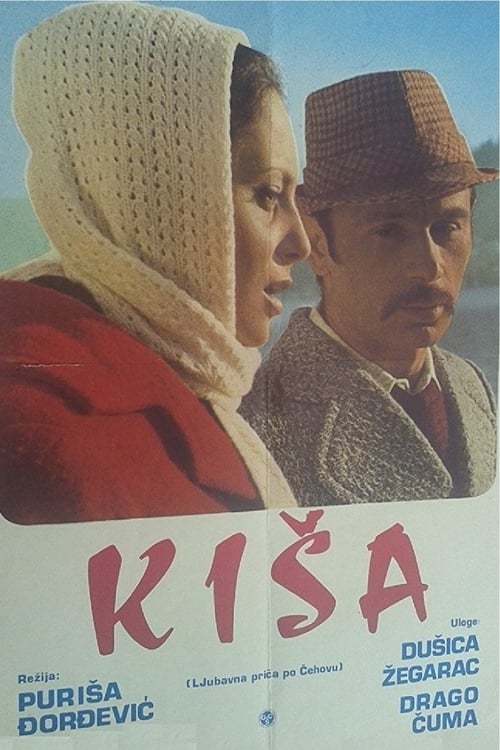
1972

1953
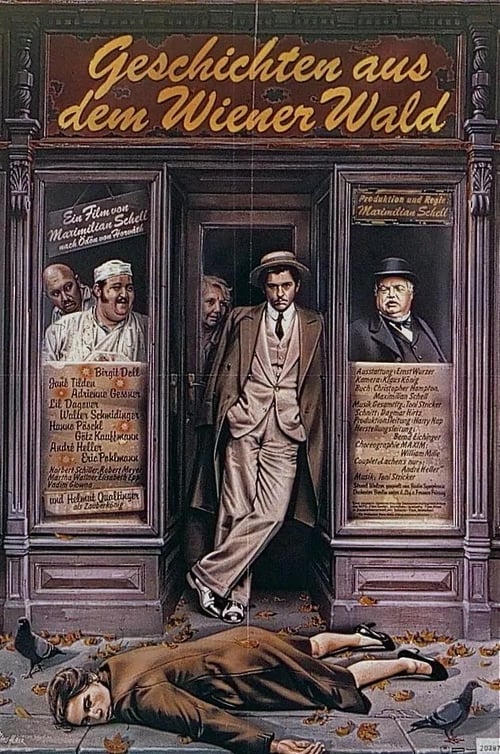
1979
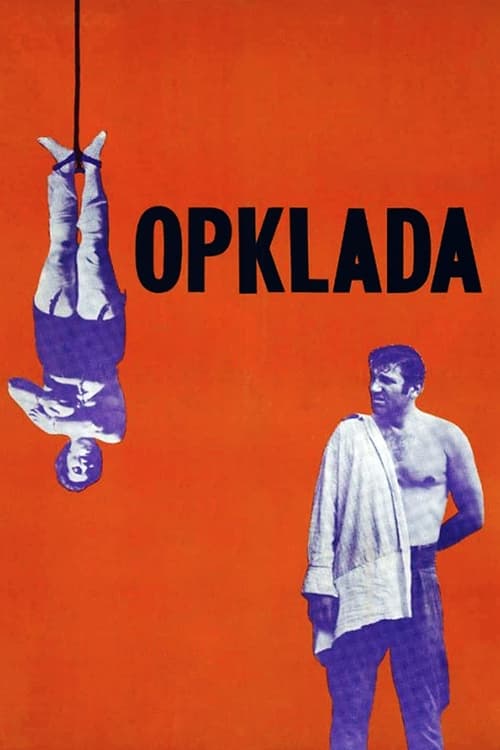
1971

1962
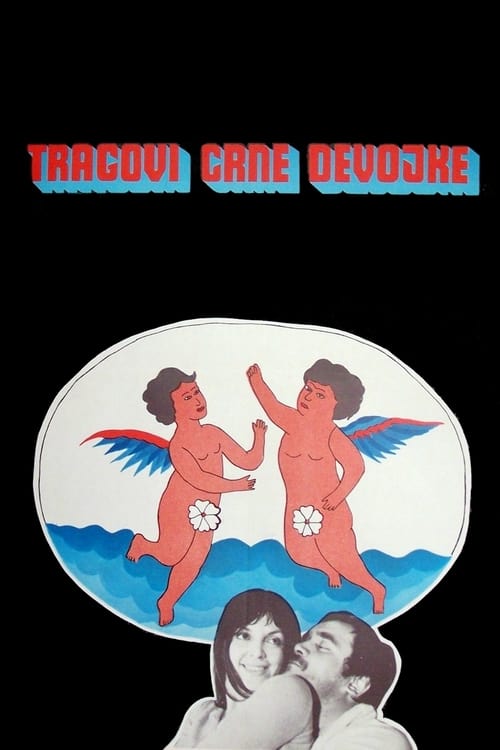
1972
No reviews yet. Be the first to share your thoughts on this movie!
Use the rating form above to leave a star rating and optional review.