
Banaue: Stairway to the Sky
1975
No user ratings available yet
Representation score: 4.3 out of 10
Representation Score
Limited
1957
TV-PGDirector
Lamberto V. Avellana
Runtime
105 minutes
Average Rating
No ratings yetNew Showbiz Analysis
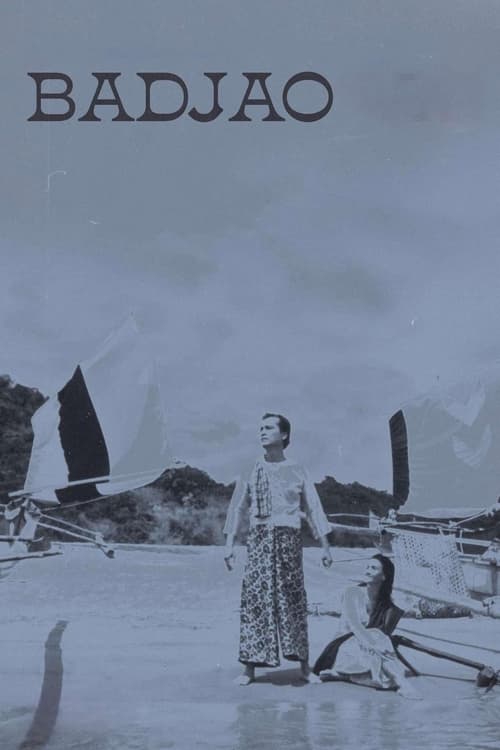
Badjao is a significant work of ethnographic storytelling that shifts focus from urban or colonial-centric narratives to explore regional identities. By centering an indigenous minority, it provides a sophisticated look at how tribal structures influence individual lives. The film's primary strength lies in its exploration of ethnic and religious diversity. The tension between nomadic sea-dwellers and settled populations offers a nuanced perspective on cultural dynamics. However, it remains bound by mid-century cinematic conventions, limiting its ability to subvert traditional gender roles.
Category Breakdown
The film centers on a traditional romantic relationship between Hassan and Bala Amai. There are no queer narratives or non-conforming gender identities in the story.
The narrative follows mid-century dramatic traditions within a traditional romantic framework. While the female protagonist is central to the emotional stakes, the conflict arises from tribal hierarchies rather than challenging traditional gender roles.
The film excels by focusing on the Badjao, a nomadic sea-dwelling minority. It offers a nuanced look at intra-national diversity through the tension between the Badjao and the Tausug people.
The story highlights the coexistence of various belief systems, particularly paganism and Islam. It portrays the struggles of underrepresented groups against established societal and land-based power structures.
There is no discernible focus on physical or neurodivergent representation within the available narrative.
Present on Screen
Limited or Absent
Official Synopsis
Hassan, the son of a tribe chief of the Badjaos, a pagan, sea-dwelling Filipino tribe, meets and falls for Bala Amai, the niece of the chief of the Tausugs, an Islamic, land-dwelling tribe. Although the Hassan is willing to give up his lifestyle for Bala Amai and vice versa, the Tausugs plot to break up the union of the happy couple.
1975
1931

2007
1959
1948

2015

1966
1975
No reviews yet. Be the first to share your thoughts on this movie!
Use the rating form above to leave a star rating and optional review.