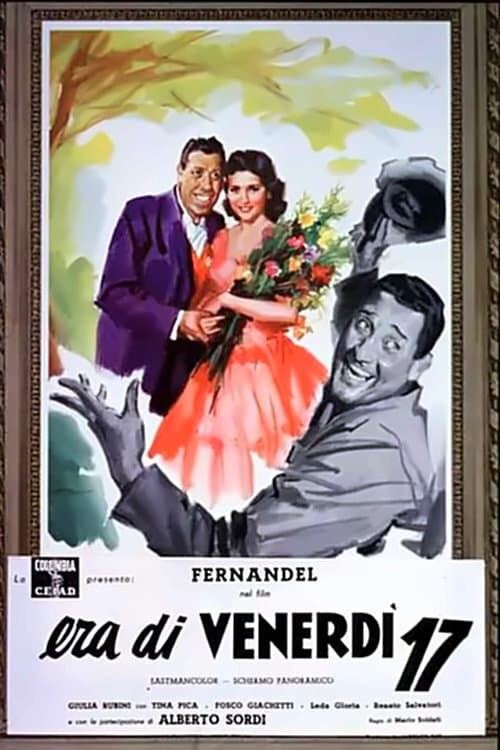
The Virtuous Bigamist
1956
No user ratings available yet
Diversity score: 3.9 out of 10
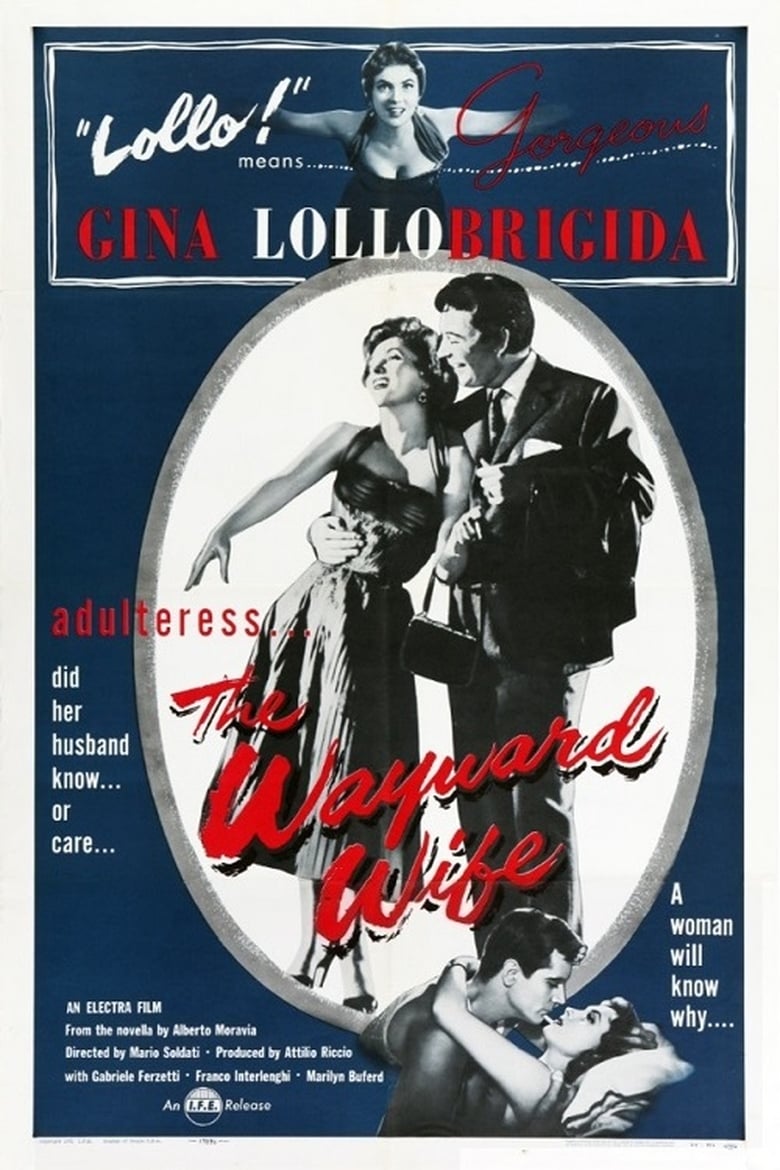
1953
Director
Mario Soldati
Runtime
109 minutes
Average Rating
No ratings yetSynopsis
The ever-growing popularity of Gina Lollobrigida was a decided box-office asset when the Italian La Provinciale was distributed to the U.S. as The Wayward Wife. Lollobrigida acquits herself quite nicely in the tensely dramatic role of a much-put-upon small-town girl named Cemma. Seduced by a lad who turns out to be a relative, Cemma is tossed out of her home. Seeking security, she impulsively marries bookish science professor Franco Vagnuzzi (Gabriele Ferzetti). Bored by her marriage, Cemma doesn't realize the true value of her loving husband until it's almost too late. The original 118-minute run time was reduced for U.S. release.
Overall Score
Limited
Category Breakdown
LGBTQ+ Representation
The film lacks any evidence of non-heteronormative identities or same-sex intimacy. It focuses on traditional domestic tensions within the social constraints of 1950s Italy.
Gender Representation
Gemma serves as a central protagonist navigating the friction between personal ambition and marital expectations. The film explores female subjectivity, though it remains within mid-century gender hierarchies.
Racial & Ethnic Diversity
The production reflects the homogeneous social landscape of mid-century Italy. There is no evidence of multi-ethnic casting or non-European identities in this localized setting.
Religious & Cultural Diversity
The narrative functions as a character study of morality within a conventional societal structure. It does not actively critique Western institutions or promote anti-traditionalist ideologies.
Disability Representation
There is no documented evidence of characters with visible or invisible disabilities. No such identities are central to the narrative or used as plot devices.
Strengths
Areas for Improvement
AI Analysis
Mario Soldati’s film is a period-specific character study that prioritizes psychological depth over social subversion. While it offers a window into the internal struggles of a woman seeking agency, it remains firmly rooted in the traditional hierarchies of 1953 Italy. The film's narrow scope is a product of its era, focusing on localized, homogeneous social structures. It lacks the intersectional breadth or systemic deconstruction found in more modern cinema, resulting in a limited representation of diverse identities. Ultimately, the work explores individual morality and domestic tension rather than challenging the broader racial, gendered, or sexual norms of its time.
1956
1938
1955
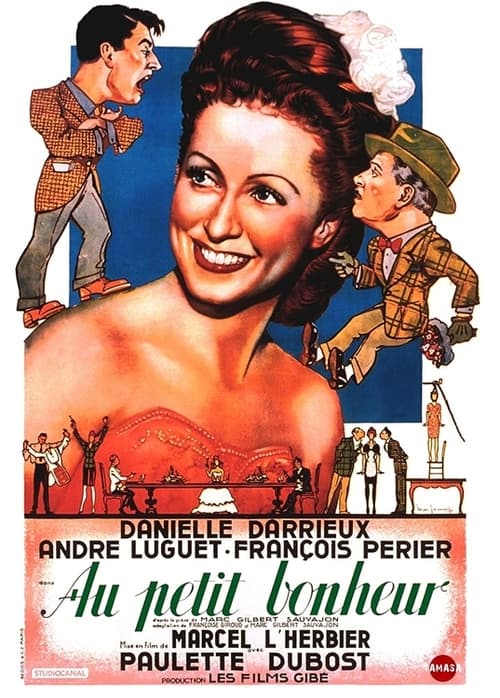
1946
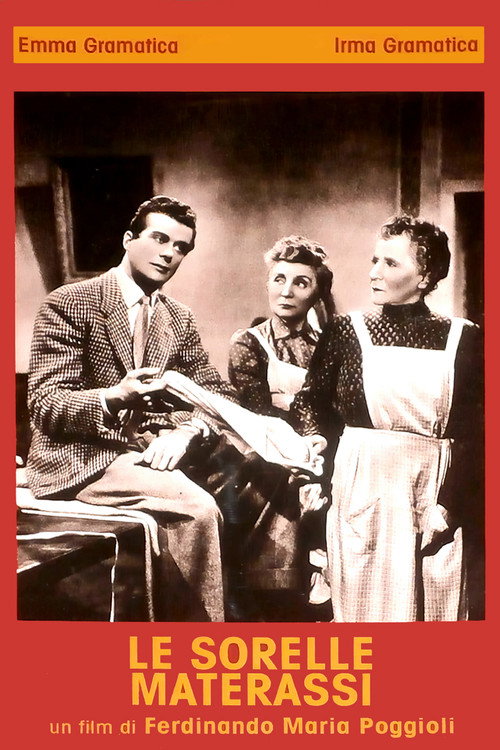
1944
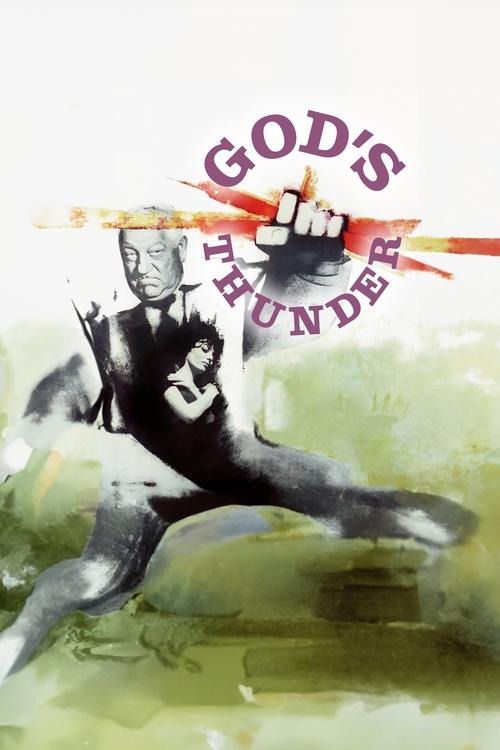
1965
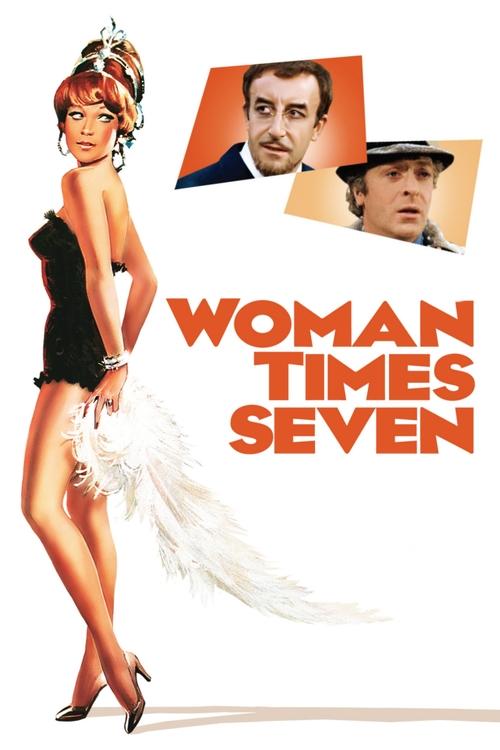
1967

1976
1966
1952
1939
1946
No reviews yet. Be the first to share your thoughts on this movie!
Use the rating form above to leave a star rating and optional review.