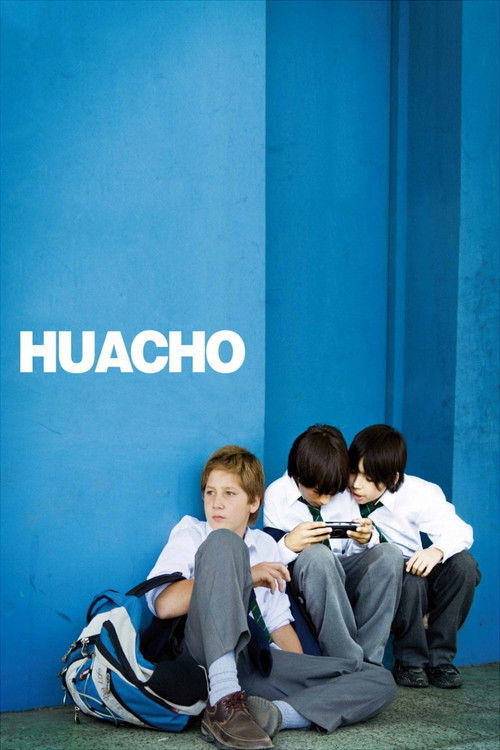
Huacho
2010
No user ratings available yet
Representation score: 6.0 out of 10
Representation Score
Fair
1970
Director
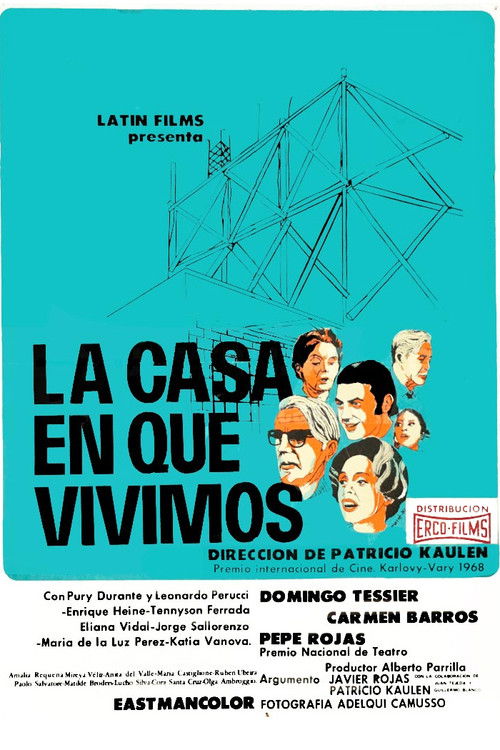
Patricio Kaulen
Runtime
75 minutes
Average Rating
No ratings yetNew Showbiz Analysis
Patricio Kaulen’s work serves as a long-term study of a Chilean family from the 1940s to the 1970s. The film focuses on social realism, showing how broader societal changes affect everyday life. The narrative structure highlights the evolution of social systems rather than idealized family dynamics. By placing the household within a larger historical context, the film questions static traditional hierarchies. While the film provides a nuanced view of social evolution, specific details about character identities and casting remain unverified due to limited archival records.
Category Breakdown
The film presents a neutral portrayal of the period without confirming any specific LGBTQ+ identities or characters who don't identify with their assigned gender at birth.
The story likely looks at the tension between traditional domestic roles and growing female influence. Over three decades, it shows how gender roles evolve in a mid-century Latin American home.
The film reflects the complex demographics of the Chilean middle class. It probably captures the mix of social classes and ethnicities in urban Chile during this time.
The narrative addresses major political and social changes in Chile. It frames family structures through the lens of historical shifts and the breakdown of traditional stability.
There is no documented information about characters with physical or neurodivergent disabilities in the film.
Present on Screen
Limited or Absent
Official Synopsis
A portrait of a Chilean middle-class family in the 1940s and 1970s.
2010
1963
1996

1964

1982
1988
1983

1993
No reviews yet. Be the first to share your thoughts on this movie!
Use the rating form above to leave a star rating and optional review.