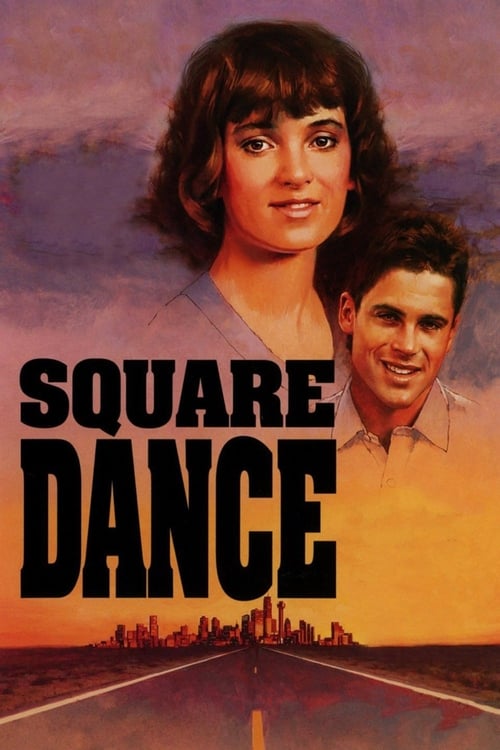
Square Dance
1987
No user ratings available yet
Representation score: 2.0 out of 10
Representation Score
Minimal
1981
PGDirector
David Greene
Runtime
104 minutes
Average Rating
No ratings yetNew Showbiz Analysis
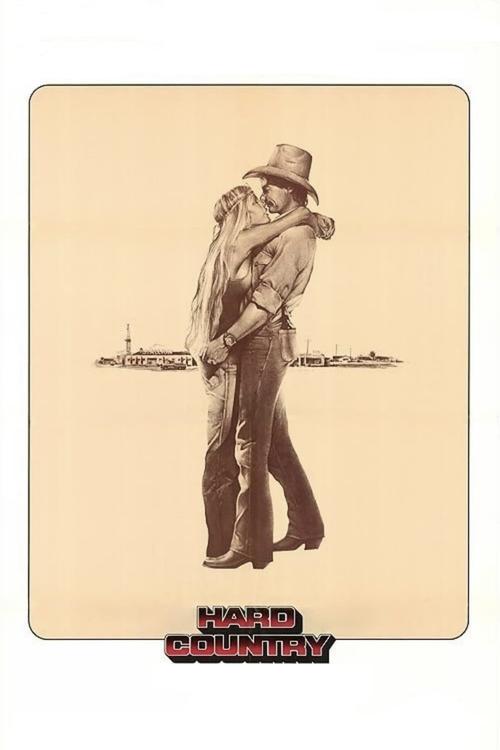
Hard Country is a traditional period drama that emphasizes genre clichés over challenging social hierarchies. While the protagonist’s ambition disrupts the status quo slightly, the film’s structure upholds established norms. The narrative focuses on traditionalist conflicts rather than diverse representation. It features a predominantly white cast and adheres to traditional gender roles. Ultimately, the film reflects the socioeconomic tensions of its time without deconstructing Western institutional values.
Category Breakdown
The film does not include any LGBTQ+ characters or explore queer subtexts.
Jodie takes a leading role by striving to leave her small town. However, male characters dominate themes related to land ownership and labor, while female characters have limited roles.
The cast is primarily white and Eurocentric, with little racial or ethnic diversity.
The film examines the tension between frontier justice and formal authority. It questions rigid land management but stays rooted in traditional frontier morality.
There are no prominent depictions of visible or invisible disabilities. Characters are defined by their socioeconomic status and their relationship to the land.
Present on Screen
Limited or Absent
Official Synopsis
Ambitious young Jodie wants more out of life than the small Texas country town she lives in has to offer. Jodie realizes that in order to pursue her dreams she will have to leave Texas and move to the big city. However, her shiftless factory worker boyfriend Kyle wants to stay in Texas.
1987

1930
2006
1966
1988
2004
2008
1980
No reviews yet. Be the first to share your thoughts on this movie!
Use the rating form above to leave a star rating and optional review.