Oh, Say Can You Sue
1953
No user ratings available yet
Diversity score: 2.2 out of 10

1940
NRDirector
Albert S. Rogell
Runtime
78 minutes
Average Rating
No ratings yetSynopsis
Li'l Abner becomes convinced that he is going to die within twenty-four hours, so agrees to marry two different girls: Daisy Mae (who has chased him for years) and Wendy Wilecat (who rescued him from an angry mob). It is all settled at the Sadie Hawkins Day race.
Overall Score
Limited
Category Breakdown
LGBTQ+ Representation
The film contains no non-heteronormative identities or same-sex dynamics. Romantic tension is strictly limited to traditional heterosexual archetypes.
Gender Representation
While the Sadie Hawkins Day concept allows women to pursue men, power dynamics remain conventional. Daisy Mae serves as a submissive romantic archetype to the male lead.
Racial & Ethnic Diversity
The cast is predominantly white, reflecting the demographic homogeneity of the era. The Appalachian-inspired setting lacks characters of color or intersectional breadth.
Religious & Cultural Diversity
The story explores tensions between rural community values and external capitalist interests. This is presented through comedic tropes rather than systemic critique.
Disability Representation
There are no prominent depictions of physical disabilities, neurodivergence, or mental health conditions. Characters are defined by socioeconomic status and comedic archetypes.
Strengths
Areas for Improvement
AI Analysis
Li'l Abner is a quintessential product of its 1940s studio era, prioritizing traditional comedic tropes over social subversion. The narrative architecture reinforces mid-20th-century hierarchies, focusing on a localized, culturally specific enclave that lacks diversity. The film relies on established gender and social roles, offering only a mild, slapstick critique of commercial interests. It fails to engage with intersectional identities or provide representation for marginalized groups, including LGBTQ+ individuals or people with disabilities.
1953
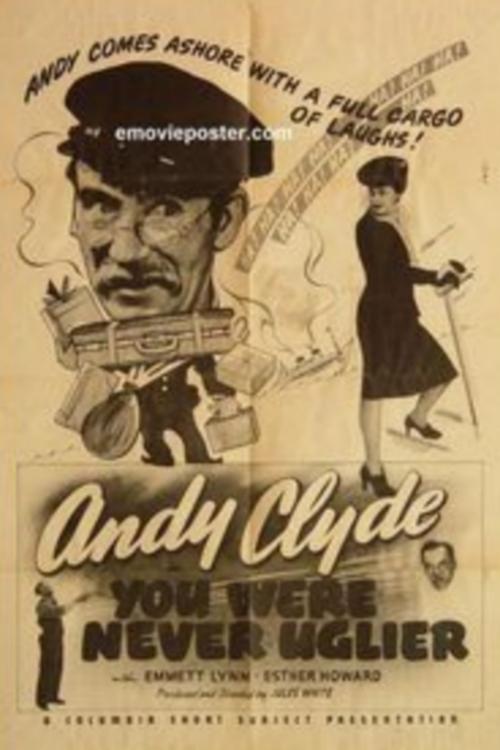
1944
1935
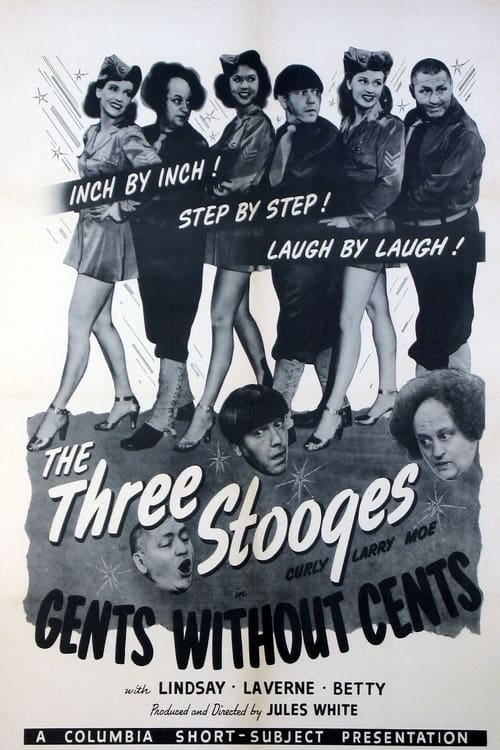
1944
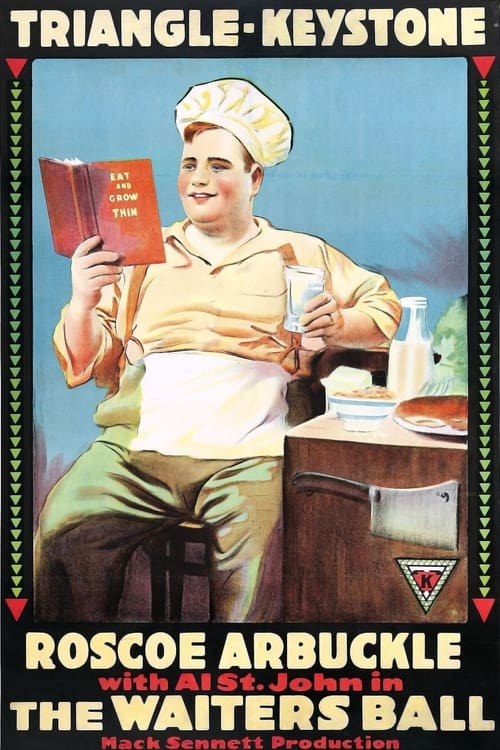
1916
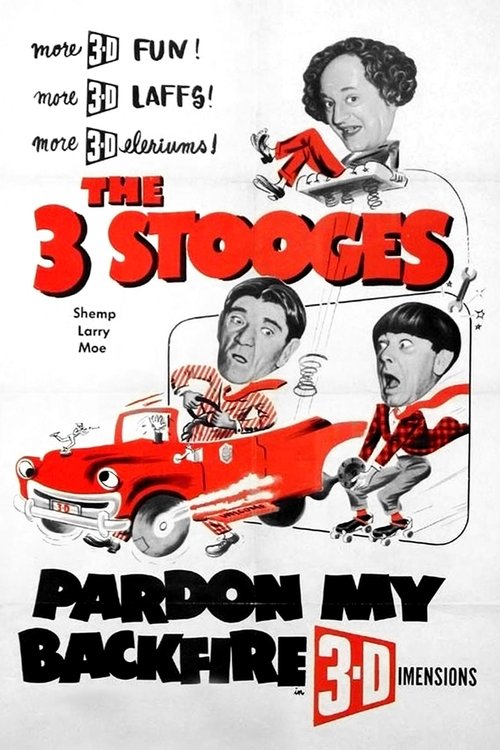
1953
1929

1937
1940
1952
1935
1947
No reviews yet. Be the first to share your thoughts on this movie!
Use the rating form above to leave a star rating and optional review.