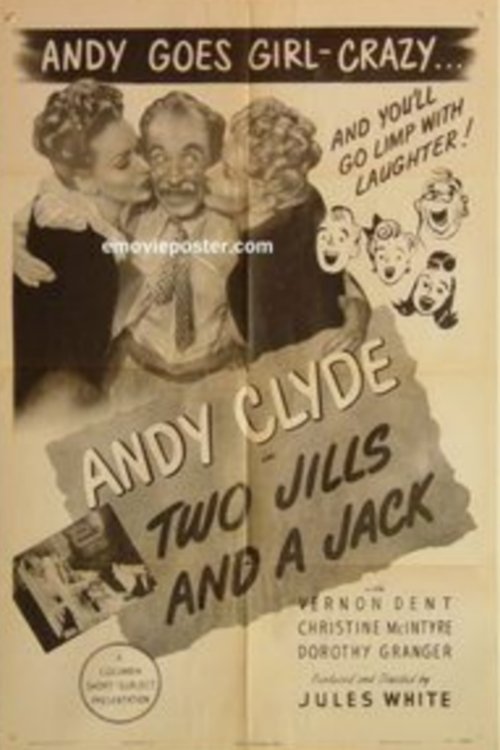
Two Jills and a Jack
1947
No user ratings available yet
Representation score: 1.4 out of 10
No Poster Available
Representation Score
Limited
1953
PassedDirector
Jules White
Runtime
16 minutes
Average Rating
No ratings yetNew Showbiz Analysis
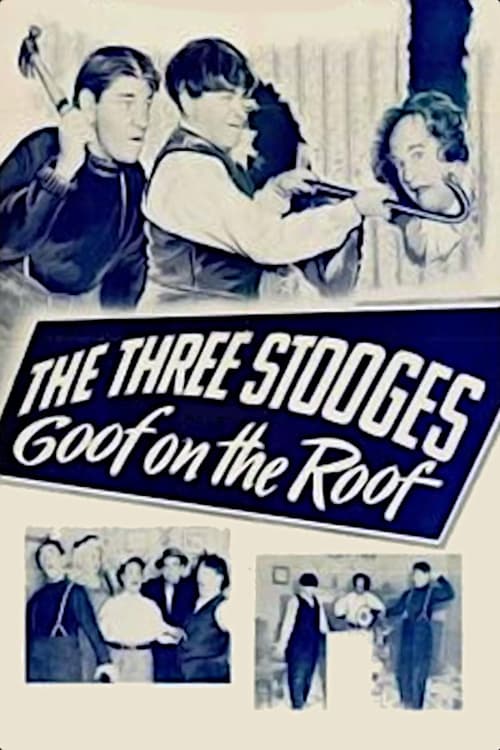
This Three Stooges short is a product of its mid-century era, emphasizing physical slapstick over social commentary. The narrative structure relies on disrupting formal institutions, particularly the legal system, to generate humor. Representation is limited across categories, reflecting the demographic norms of 1953 with a monolithic view of race, culture, and gender. While the protagonists' incompetence challenges traditional masculine competence, it does so through chaos rather than social critique. Ultimately, the film serves as a vehicle for pure comedy, lacking the intentionality needed to engage with diverse identities or offer meaningful portrayals of underrepresented groups.
Category Breakdown
The film doesn't include any representations of LGBTQ+ identities or non-binary gender roles. It centers on traditional comedic roles without challenging straight-centered assumptions.
Female characters appear in the courtroom but mainly serve as triggers for slapstick humor. The focus is on the protagonists' incompetence rather than questioning gender norms.
The cast reflects the era's lack of racial or ethnic diversity. The setting is culturally homogeneous, without efforts to break Anglo-centric norms.
The film mocks formal legal institutions through chaotic disruptions. This institutional chaos is presented as absurd humor without critiquing systemic issues.
There is no intentional portrayal of neurodivergence or physical disabilities. Exaggerated body movements are used for comedic effect rather than meaningful representation.
Present on Screen
Limited or Absent
Official Synopsis
In an attorneys office, Andy explains why he thought his sweetheart married his best friend.
1947

1950
1946
1943
1953
1945
1943
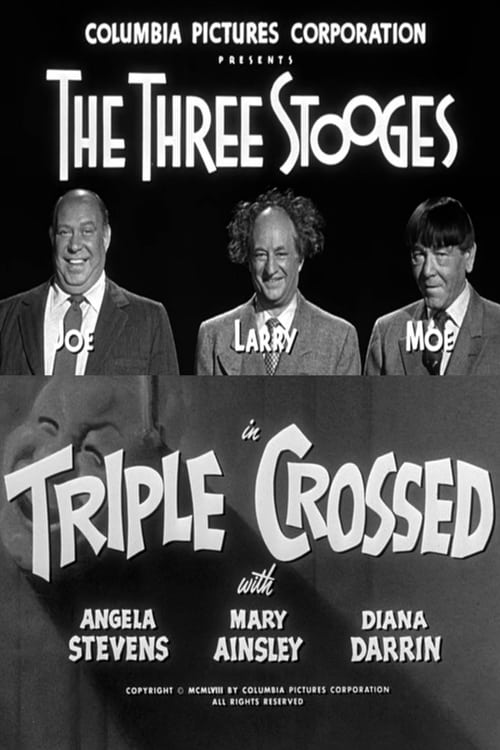
1959
No reviews yet. Be the first to share your thoughts on this movie!
Use the rating form above to leave a star rating and optional review.