Birthday Blues
1945
No user ratings available yet
Diversity score: 2.2 out of 10
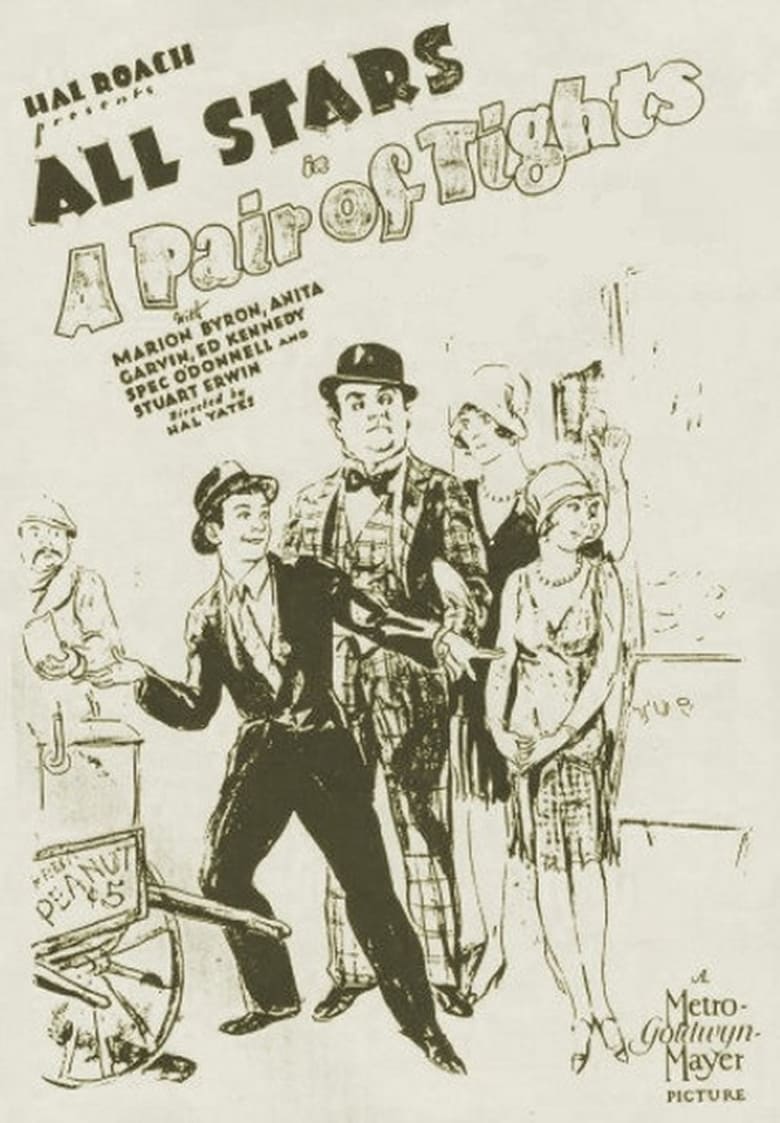
1929
Director
Hal Yates
Runtime
20 minutes
Average Rating
No ratings yetSynopsis
Two girls are invited by one of the girls boy-friend's tight boss for dinner. On the way they stop for a cheap ice-cream. But swinging doors, ventilators, cops and a brat make it nearly impossible to get the ice cream even close to the car where the rest are waiting.
Overall Score
Limited
Category Breakdown
LGBTQ+ Representation
The film lacks any depiction of non-cisnormative identities or same-sex intimacy. The plot focuses on a traditional romantic pairing between a boyfriend and his associates.
Gender Representation
Female protagonists drive the physical comedy through various obstacles. However, they function primarily as subjects of slapstick chaos rather than characters subverting gender hierarchies.
Racial & Ethnic Diversity
The film appears to follow the homogeneous, Western-centric casting norms typical of 1929. There is no evidence of racial blending or non-Anglo-Saxon representation.
Religious & Cultural Diversity
The narrative reinforces early 20th-century social rituals and consumerist leisure. It operates within established social norms without deconstructing traditional family or social structures.
Disability Representation
There are no characters with visible or invisible disabilities. The mentioned 'brat' serves as a comedic obstacle rather than a nuanced portrayal of neurodivergence.
Strengths
Areas for Improvement
AI Analysis
A Pair of Tights is a product of the late silent comedy era, prioritizing physical gags and situational chaos over sociopolitical depth. The film relies on the slapstick tropes of 1929, which often centered on homogeneous social structures and traditional romantic dynamics. While women are central to the action, they are positioned within a framework of comedic struggle rather than intellectual or social empowerment. The film functions as a lighthearted diversion that reinforces the era's standard social hierarchies and consumerist values. Ultimately, the work lacks the intentionality or narrative complexity required to engage with intersectional themes, reflecting the limited diversity typical of early 20th-century short subjects.
1945
1932
1956
1937
1928
1928
1919
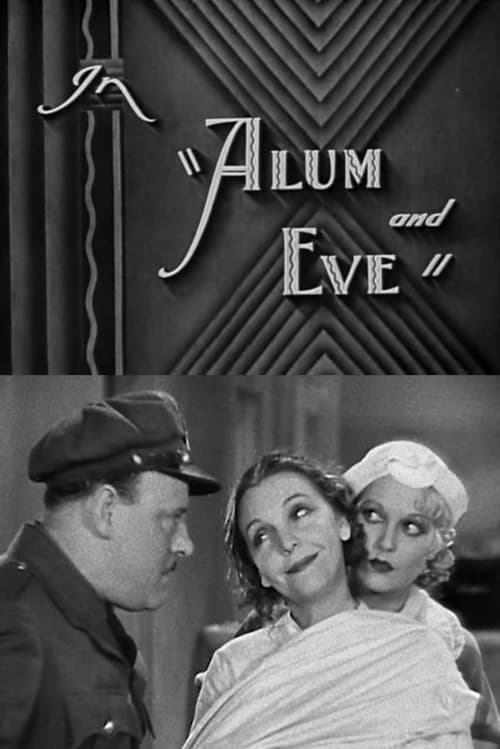
1932
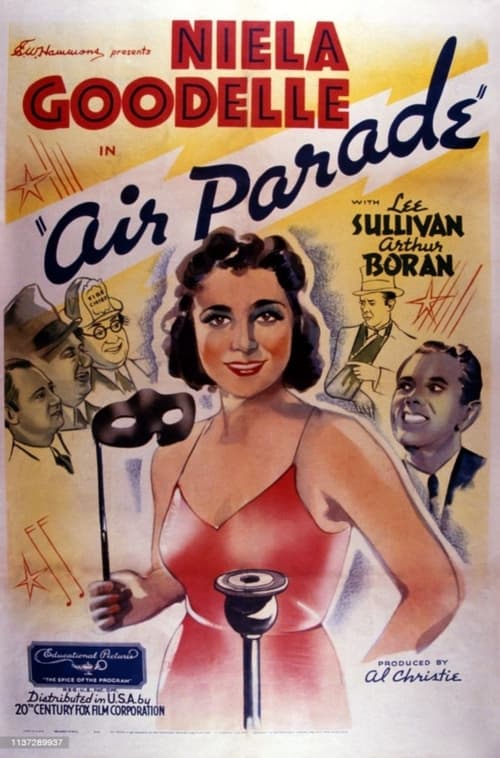
1938
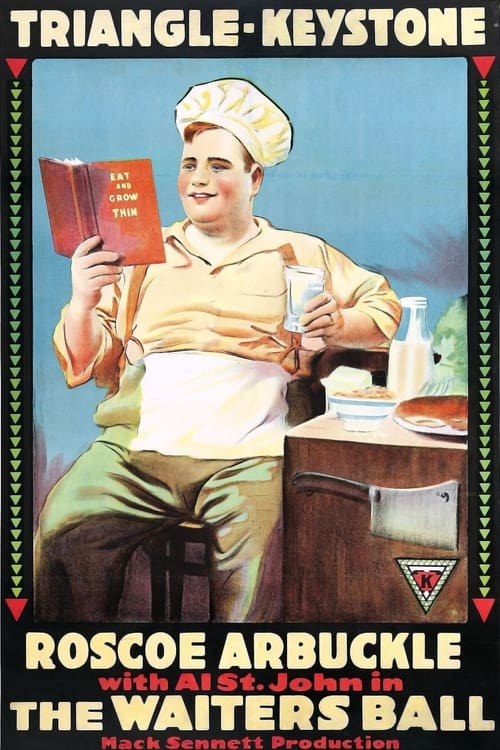
1916
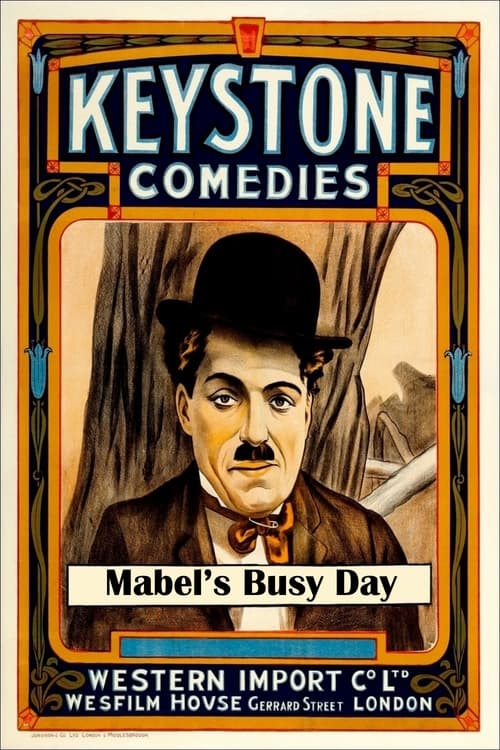
1914
1940
No reviews yet. Be the first to share your thoughts on this movie!
Use the rating form above to leave a star rating and optional review.