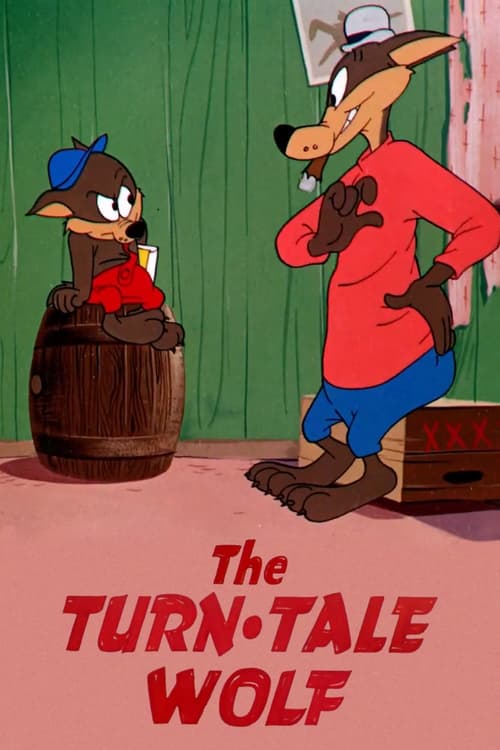
The Turn-Tale Wolf
1952
No user ratings available yet
Representation score: 0.3 out of 10
Representation Score
Limited
1941
ApprovedDirector
Friz Freleng
Runtime
7 minutes
Average Rating
No ratings yetNew Showbiz Analysis
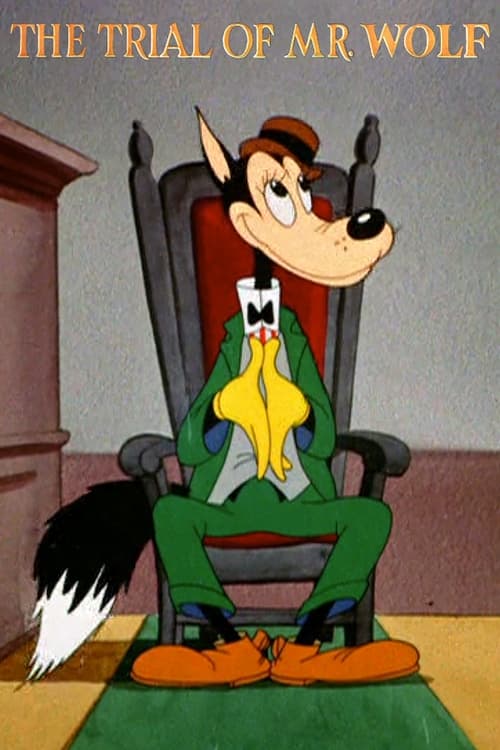
The film's strength lies in its narrative subversion. By using a courtroom setting to shift the perspective of a classic antagonist, it moves away from a binary good-versus-evil framework toward a more complex interrogation of truth. However, the work is limited by the era in which it was produced. It lacks diverse demographic representation, adhering to the homogeneous casting and character designs typical of 1941 animation. Ultimately, while the film lacks social representation, it performs a sophisticated structural task by deconstructing traditional power dynamics and challenging established folkloric narratives.
Category Breakdown
The film does not include any LGBTQ+ characters or non-cisgender identities. The narrative centers entirely on the legal defense of a traditional folkloric figure.
The story may challenge traditional gender roles by depicting the villain as a victim. However, it is unclear if this shifts broader gender hierarchies.
Reflecting the 1941 era, the work relies on homogeneous Western archetypes from European folklore. There is no evidence of racial diversity or non-white characters.
The film uses subjective morality to question the singular authority of traditional fables. By portraying the wolf as a victim, it critiques established moral and institutional truths through a postmodern lens.
There is no information available regarding the depiction of physical or neurodivergent disabilities in this short.
Present on Screen
Limited or Absent
Official Synopsis
The Big Bad Wolf is on trial for crimes committed against Little Red Riding Hood and her grandmother. When given a chance to speak in his defense, Mr. Wolf explains the supposed real story: He is the victim.
1952
2005
1945

1943
1935
1943
1962
1942
No reviews yet. Be the first to share your thoughts on this movie!
Use the rating form above to leave a star rating and optional review.