
Little Woody Riding Hood
1962
No user ratings available yet
Representation score: 0.9 out of 10

Representation Score
Limited
1997
GDirector
Steve Moore
Runtime
15 minutes
Average Rating
No ratings yetNew Showbiz Analysis
Redux Riding Hood succeeds as a narrative subversion by reframing a classic fairy tale through the eyes of the antagonist. By focusing on the Wolf's technical obsession with perfection, the film moves away from simple moral archetypes. However, this creative pivot does not translate into broad representation of diverse identities. The film remains anchored in traditional social structures, particularly regarding race and sexual orientation, which limits its demographic breadth. Ultimately, the film's strength lies in its psychological depth rather than its social diversity. It challenges storytelling clichés through character motivation rather than through a diverse cast of identities.
Category Breakdown
The film focuses on a heterosexual marriage between the Wolf and his wife, Doris. There are no explicit LGBTQ+ identities or queer-coded subtext in the narrative.
Doris asserts herself as a figure of domestic authority who is tired of the Wolf. However, the central conflict is driven by the male protagonist's obsession.
The film lacks significant racial or ethnic diversity. It adheres to a classic European folklore structure without evidence of non-Anglo-Saxon characters or race-bent casting.
The story deconstructs traditional morality by centering the villain's perspective. This shift from fixed good versus evil to subjective motivation provides a more nuanced narrative structure.
There is no evidence of characters with visible or invisible disabilities within the film's context.
Present on Screen
Limited or Absent
Official Synopsis
Years after failing to catch Little Red Riding Hood, the obsessed Wolf tries again.
1962
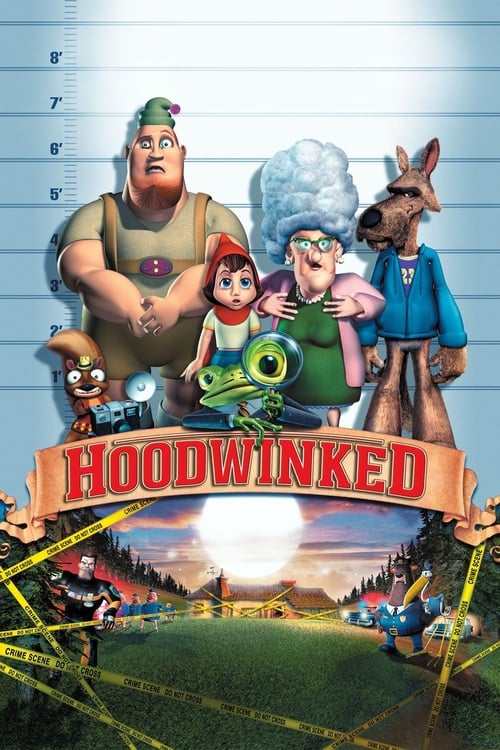
2005
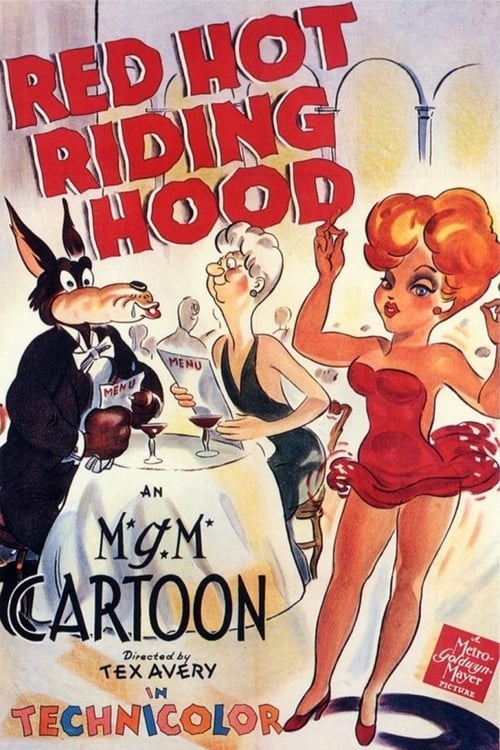
1943
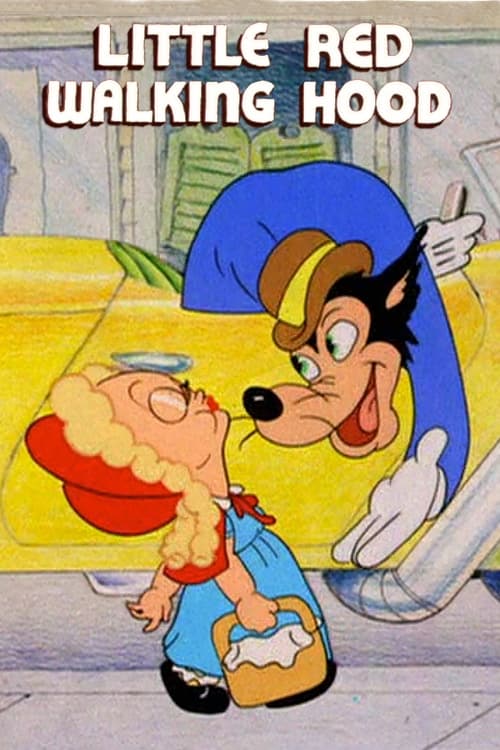
1937
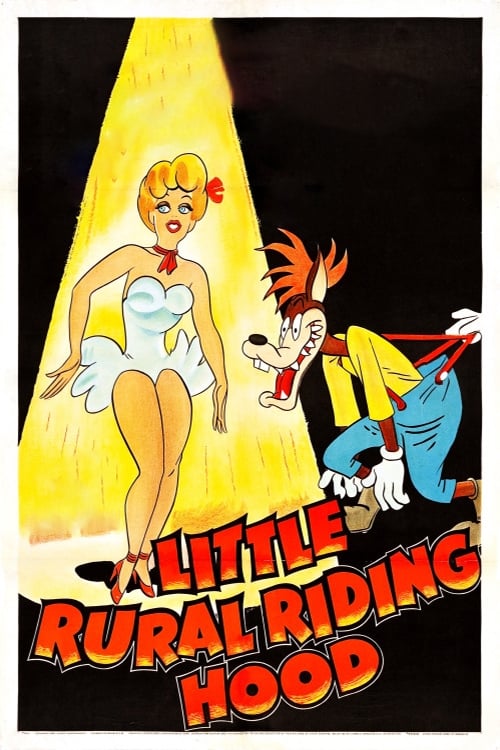
1949

1957
1945
1941
No reviews yet. Be the first to share your thoughts on this movie!
Use the rating form above to leave a star rating and optional review.