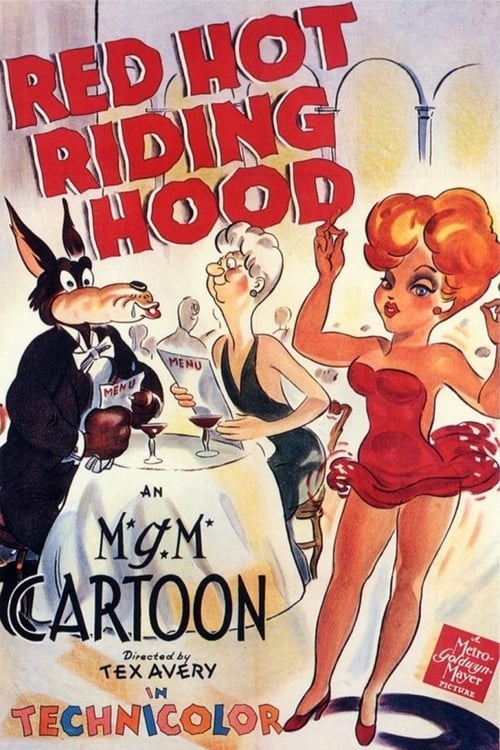
Red Hot Riding Hood
1943
No user ratings available yet
Representation score: 1.9 out of 10
No Poster Available
Representation Score
Minimal
1941
ApprovedDirector
Sid Marcus
Runtime
7 minutes
Average Rating
No ratings yetNew Showbiz Analysis
Red Riding Hood Rides Again functions as a period-specific satire that swaps fairytale clichés for topical 1941 political commentary. While it introduces a draft induction notice to subvert the traditional arc, it does so within a very narrow social framework. The narrative relies heavily on established hierarchies. Gender roles remain conventional, with female characters positioned as domestic subjects and male characters providing the primary ability to act in the plot's conclusion. Ultimately, the film reflects the homogeneous social standards of its era rather than challenging them through diverse characterization or complex social structures.
Category Breakdown
The film does not include any LGBTQ+ characters or non-cisgender identities. The only romantic relationship shown is between Grandma and her boyfriend.
Characters follow traditional 1940s gender roles. Female characters like Red and Grandma are portrayed as objects of pursuit, while male characters like the boyfriend and postman drive the resolution.
There is no indication of a diverse or non-Anglo-Saxon cast. The film appears to adhere to the homogeneous casting norms typical of 1941 animation.
The satire engages with contemporary realities like the US draft lottery. It uses topical social commentary to disrupt the traditional fairytale morality.
The film provides no information regarding the depiction of physical, neurodivergent, or mental health conditions.
Present on Screen
Limited or Absent
Official Synopsis
This satirical version of "Red Riding Hood" was, especially the ending, very topical when released in 1941, as the US had instituted a draft lottery long before Pearl Harbor (December 7,1941.) The wolf convinces Red he is a police dog and he hastily beats a path to Grandma's house with intentions of making a meal of her. But Grandma's boyfriend shows up and takes her dancing. He then plans on eating Red, but the postman arrives with his draft induction notice.
1943

1957
1945
1949
1937
1962
1944
1997
No reviews yet. Be the first to share your thoughts on this movie!
Use the rating form above to leave a star rating and optional review.