Oily Hare
1952
No user ratings available yet
Diversity score: 3.2 out of 10
1959
NRDirector
Ken Harris, Friz Freleng, Chuck Jones
Runtime
7 minutes
Average Rating
No ratings yetSynopsis
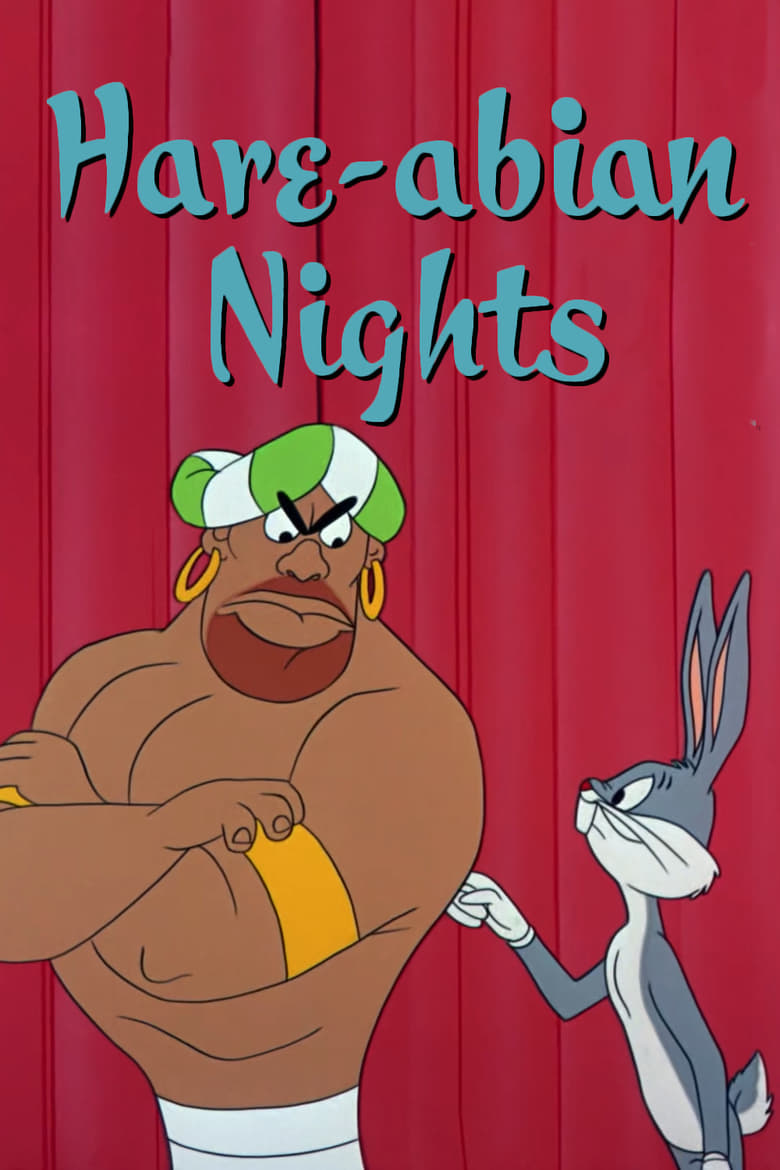
Bugs entertains the Sultan with tales from his cartoons: "Bully for Bugs", "Sahara Hare" and "Water, Water Every Hare".
Overall Score
Limited
Category Breakdown
LGBTQ+ Representation
The film reflects the heteronormative storytelling typical of its era. No non-cisnormative identities or same-sex intimacy are present in the narrative.
Gender Representation
Roles center primarily on male-coded characters and traditional comedic archetypes. Bugs Bunny subverts masculinity through wit rather than physical dominance.
Racial & Ethnic Diversity
The Sultanate setting provides a non-Western aesthetic that risks leaning into mid-century exoticism. The environment serves as a backdrop for character interaction.
Religious & Cultural Diversity
The narrative prioritizes individual wit over institutional or religious authority. Bugs Bunny operates outside conventional social frameworks through clever deception.
Disability Representation
There is no evidence of characters with visible or invisible disabilities within the film's character arcs.
Strengths
Areas for Improvement
AI Analysis
Hare-abian Nights is a meta-narrative anthology that uses Bugs Bunny to deconstruct storytelling through a series of vignettes. While the film excels at disrupting traditional power dynamics and authority, it remains a product of its temporal context. The work relies heavily on established mid-century tropes and traditional character archetypes. It prioritizes comedic anarchy and the trickster archetype over intersectional complexity or diverse representation. Ultimately, the film's strength lies in its structural subversion of narrative expectations rather than its social or cultural depth.
1952
1952
1949
1955
1940
1951
1944
1969
1960
1944
1949
1958
No reviews yet. Be the first to share your thoughts on this movie!
Use the rating form above to leave a star rating and optional review.