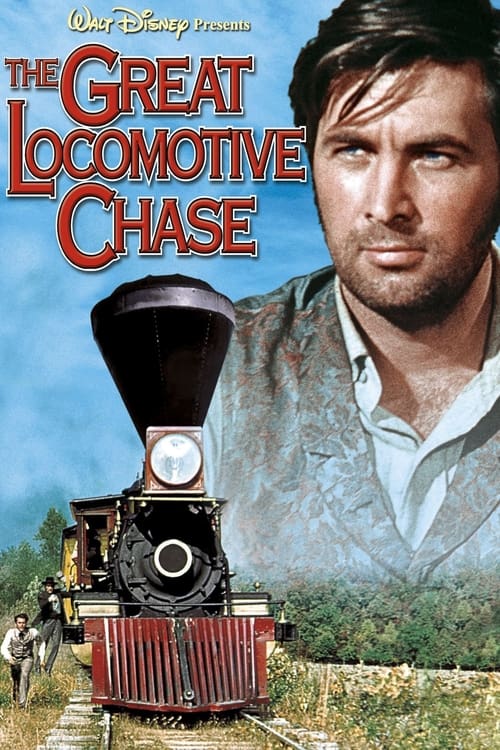
The Great Locomotive Chase
1956
No user ratings available yet
Diversity score: 1.4 out of 10

1952
NRDirector
André de Toth
Runtime
93 minutes
Average Rating
No ratings yetSynopsis
Major Lex Kearney, dishonourably discharged from the army for cowardice in battle, volunteers to go undercover to try to prevent raids against shipments of horses desperately needed for the Union war effort. Falling in with the gang of jayhawkers and Confederate soldiers who have been conducting the raids, he gradually gains their trust and is put in a position where he can discover who has been giving them secret information revealing the routes of the horse shipments.
Overall Score
Minimal
Category Breakdown
LGBTQ+ Representation
The narrative is strictly heteronormative. It focuses on masculine bonds and survivalist tensions without any visible or implied non-cisnormative identities.
Gender Representation
The film adheres to traditional mid-century hierarchies. Narrative agency is almost exclusively male, focusing on military duty and combat while offering negligible female presence.
Racial & Ethnic Diversity
The cast is predominantly white and Anglo-Saxon. The film portrays a homogeneous social landscape consistent with the Western genre of the early 1950s.
Religious & Cultural Diversity
The story operates within a traditional Western framework emphasizing military authority. It focuses on individual honor and the preservation of Union interests.
Disability Representation
There is no discernible representation of visible or invisible disabilities. Characters are defined solely by their physical utility and military competence.
Strengths
Areas for Improvement
AI Analysis
Springfield Rifle is a quintessential product of its era, functioning as a traditional genre piece. It reinforces established social hierarchies and conventional demographic norms through its focus on military archetypes. The film lacks the narrative complexity required to disrupt traditional tropes. It prioritizes the binary conflicts of the American Civil War over intersectional representation or social subversion. Ultimately, the work serves as a standard Western/War film that maintains the homogeneous social landscapes typical of 1950s cinema.
1956
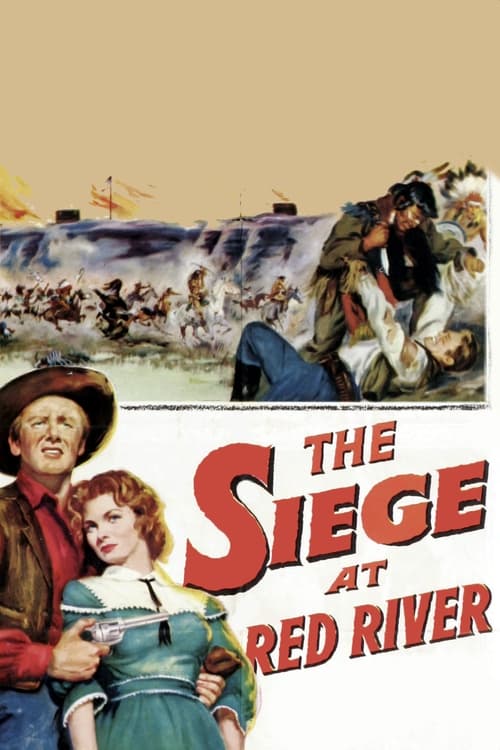
1954
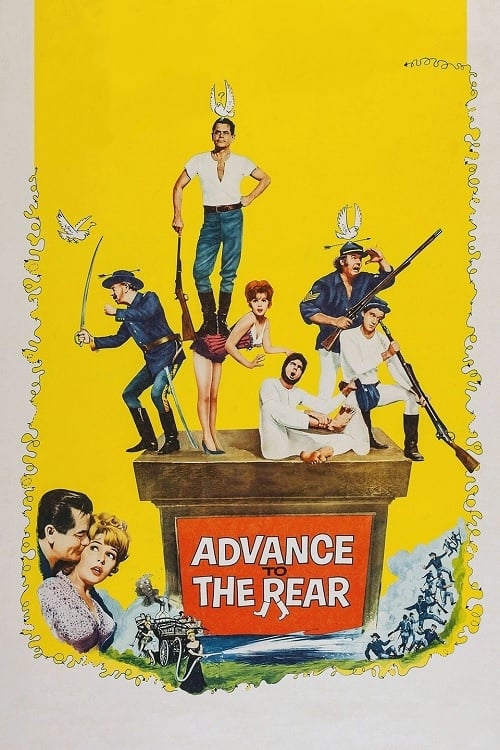
1964
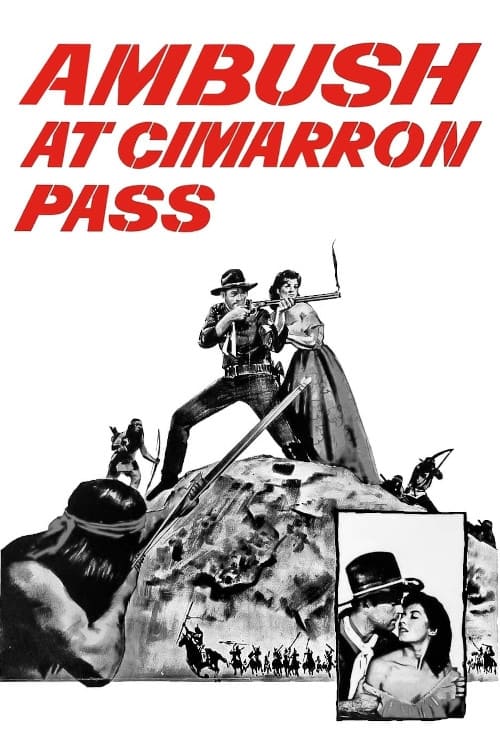
1958
1940
1953
1969
1953
1953
No reviews yet. Be the first to share your thoughts on this movie!
Use the rating form above to leave a star rating and optional review.