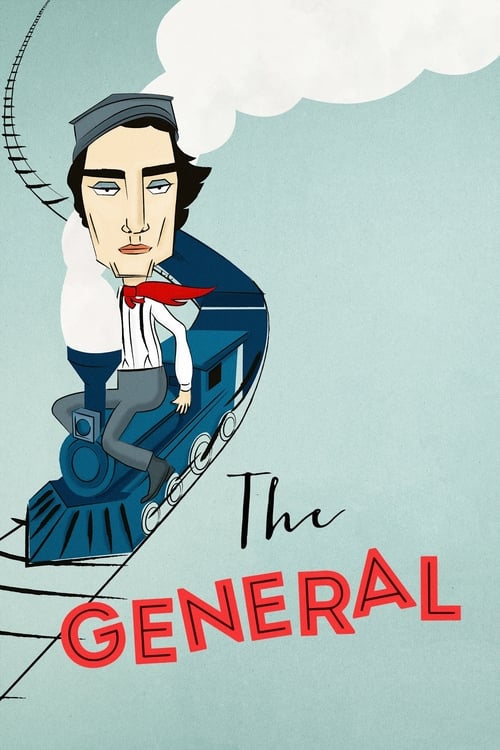
The General
1926
No user ratings available yet
Representation score: 0.4 out of 10
Representation Score
Minimal
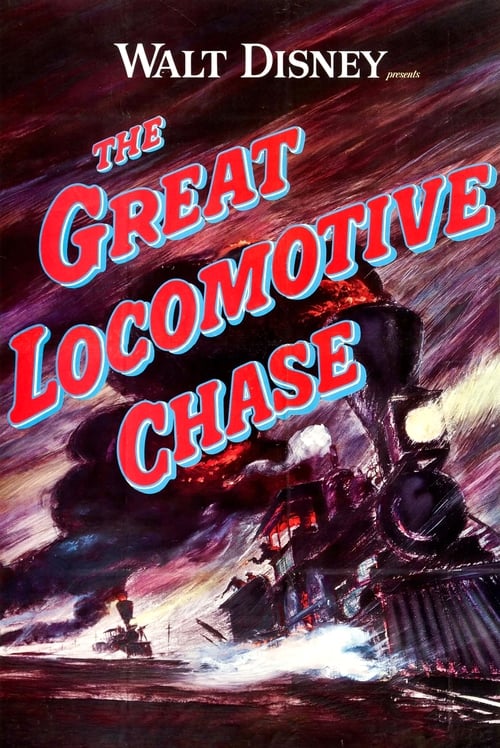
1956
NRDirector
Francis D. Lyon
Runtime
85 minutes
Average Rating
No ratings yetNew Showbiz Analysis
The Great Locomotive Chase is a quintessential mid-century historical adventure that emphasizes traditional genre clichés over social subversion. The narrative focuses on rigid hierarchies, centering on male-driven military strategy and a homogeneous cast. Because the film adheres to the socio-cultural norms of its 1956 production era, it lacks meaningful representation of LGBTQ+ identities or disabilities. The film reinforces the binary conflict of the Civil War through a narrow lens.
Category Breakdown
The film follows a strict focus on military brotherhood and does not depict any non-traditional gender identities or same-sex relationships.
The story is primarily driven by male characters and military strategy, with women playing minor roles and having limited influence on key decisions.
The cast is predominantly white, with few characters representing diverse racial backgrounds or multi-layered identities.
The film presents a traditional Western perspective centered on patriotism and avoids any critique of religion or institutions, offering a straightforward historical adventure.
There are no visible or hidden depictions of disability, and characters are defined solely by their physical abilities needed for wartime military service.
Present on Screen
Limited or Absent
Official Synopsis
During the Civil War, a Union spy, Andrews, is asked to lead a band of Union soldiers into the South so that they could destroy the railway system. However, things don't go as planned when the conductor of the train that they stole is on to them and is doing everything he can to stop them. Based on a true story.
1926
1959
1953
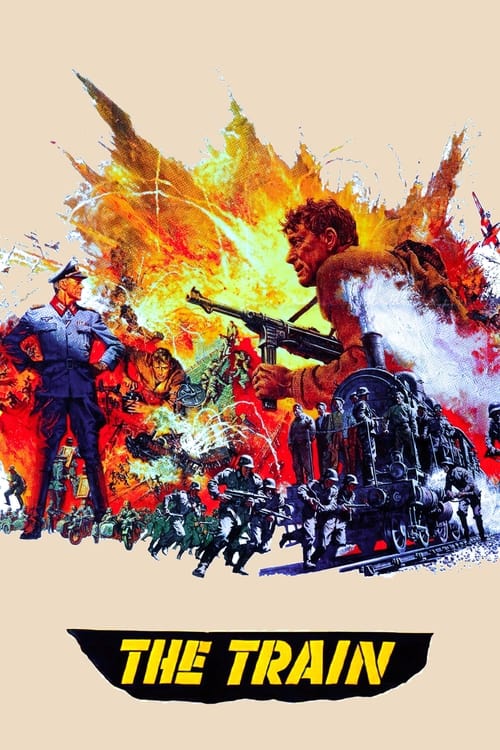
1964
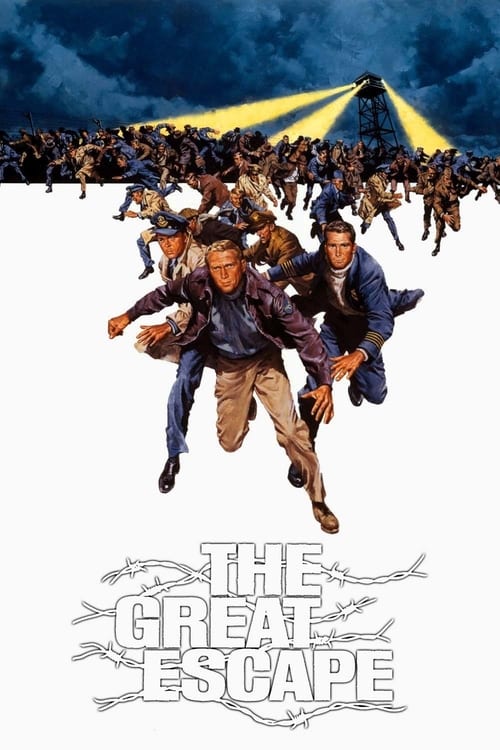
1963
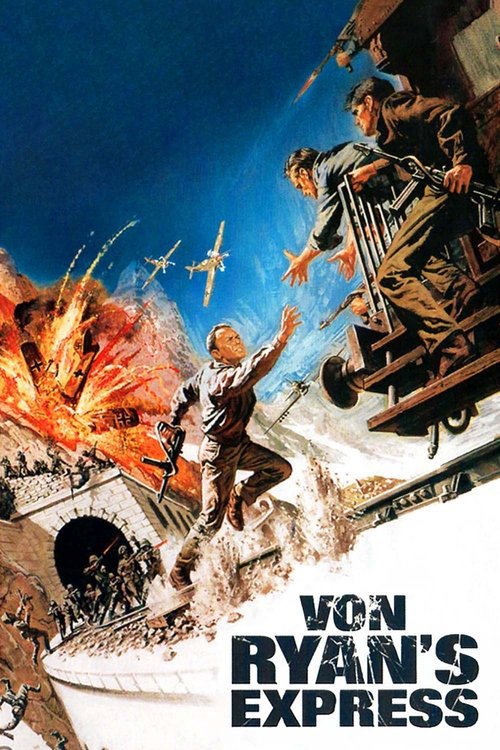
1965
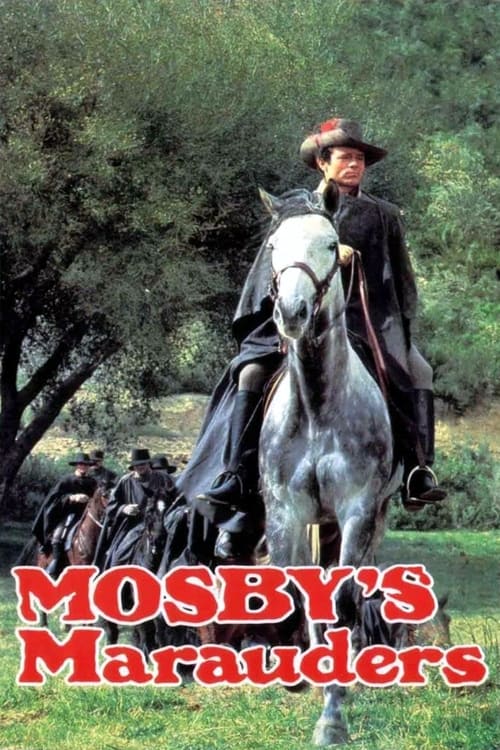
1967
1965
No reviews yet. Be the first to share your thoughts on this movie!
Use the rating form above to leave a star rating and optional review.