
The Corn Is Green
1945
No user ratings available yet
Diversity score: 3.3 out of 10
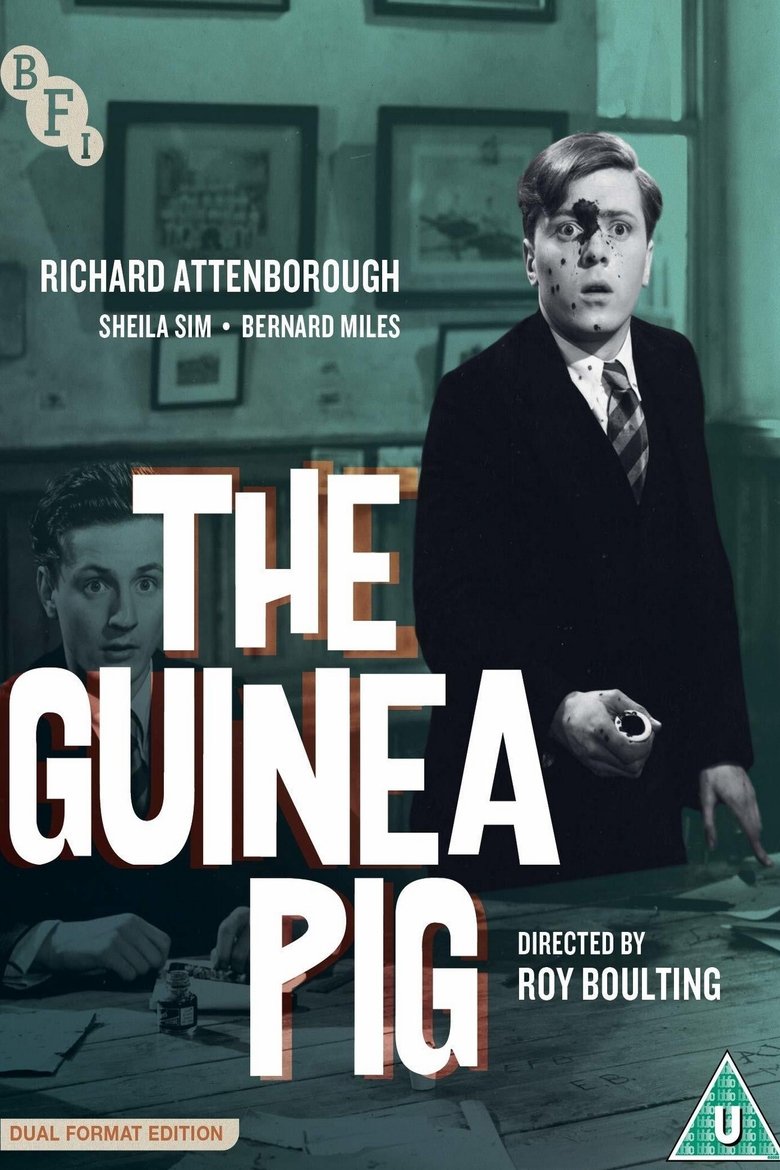
1948
Director
Roy Boulting
Runtime
97 minutes
Average Rating
No ratings yetSynopsis
A working-class boy wins a scholarship to a public school, as part of a post-World War Two experiment in bringing boys of different social classes together.
Overall Score
Limited
Category Breakdown
LGBTQ+ Representation
The film adheres to the heteronormative frameworks of the post-war era. There are no characters or narratives addressing non-heteronormative identities.
Gender Representation
Agency is centered on male characters navigating educational and civic hierarchies. The film lacks the subversion of traditional gender roles or women in positions of authority.
Racial & Ethnic Diversity
The setting reflects the demographic homogeneity typical of late 1940s English social dramas. There is no evidence of racial or ethnic diversity in the cast.
Religious & Cultural Diversity
The narrative disrupts assumptions of aristocratic permanence by centering a working-class boy in an elite school. It uses a satirical lens to examine social hierarchies.
Disability Representation
There is no evidence of characters with visible or invisible disabilities. No such characters are portrayed with agency within the central narrative arc.
Strengths
Areas for Improvement
AI Analysis
The Guinea Pig serves as a focused social commentary on class mobility within the British educational system. While it challenges rigid class hierarchies through its central premise, it remains a product of its time, reflecting the demographic limitations of 1948. The film's primary strength lies in its critique of social structures and the deconstruction of aristocratic permanence. However, this focus on class comes at the expense of broader intersectional representation. Ultimately, the work lacks engagement with gender, race, or LGBTQ+ identities, remaining confined to the social norms of the post-WWII era.
1945
1962

1958

1944

1958

1944

1960
1947

2004
1948

1953
1949
No reviews yet. Be the first to share your thoughts on this movie!
Use the rating form above to leave a star rating and optional review.