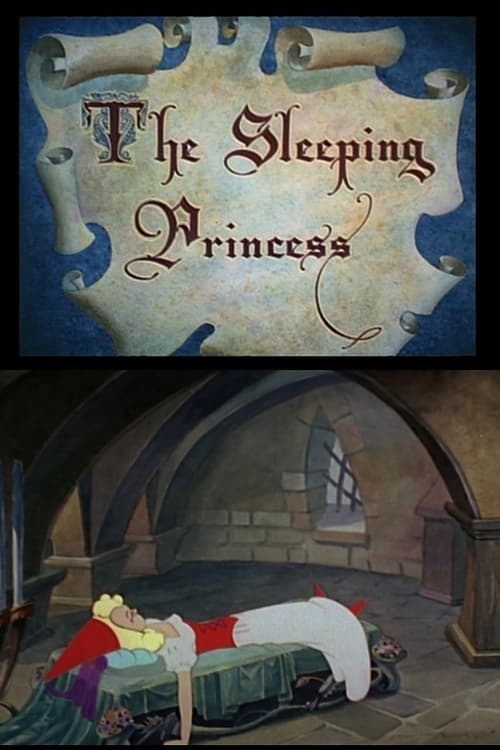
The Sleeping Princess
1939
No user ratings available yet
Representation score: 1.1 out of 10
No Poster Available
Representation Score
Minimal
1944
ApprovedDirector
Eddie Donnelly
Runtime
6 minutes
Average Rating
No ratings yetNew Showbiz Analysis
The film is a traditional retelling of a folk archetype that emphasizes restorative justice and conventional romantic hierarchies. Using a dream-within-a-dream framework, it adheres to the rigid narrative structures common in 1944 animation. The story reinforces established social hierarchies rather than challenging them. The transformation from a underrepresented frog to a dominant prince follows a predictable, classical trajectory. Ultimately, the work lacks complexity in representing multiple aspects of identity. It functions as a standard mid-century production that preserves traditionalist storytelling clichés and moral frameworks.
Category Breakdown
The film portrays a traditional union between a prince and a princess, assuming everyone is straight and cisgender. There is no representation of diverse gender identities.
The narrative follows typical mid-century gender roles. The princess's role is to support the male character's social and romantic advancement.
The story centers on anthropomorphic characters and fairy-tale archetypes. There is no indication of racial or ethnic diversity among the characters.
The film upholds Western folklore traditions and the idea of a 'happily ever after' through marriage. It promotes a singular, moralistic ending.
The frog state serves as a temporary magical device in the plot. There is no nuanced depiction of physical, sensory, or neurodivergent traits.
Present on Screen
Limited or Absent
Official Synopsis
As was his usual pattern, Gandy Goose is sleeping. This time he dreams of the story of the princess and the frog and how the frog later turned into a prince into a prince and married the princess.
1939
1980
1944
1950
1954

1952
1950
1947
No reviews yet. Be the first to share your thoughts on this movie!
Use the rating form above to leave a star rating and optional review.