August Without Him
1994
No user ratings available yet
Representation score: 9.1 out of 10
Representation Score
Excellent
1995
Director
Hervé Guibert
Runtime
62 minutes
Average Rating
No ratings yetNew Showbiz Analysis
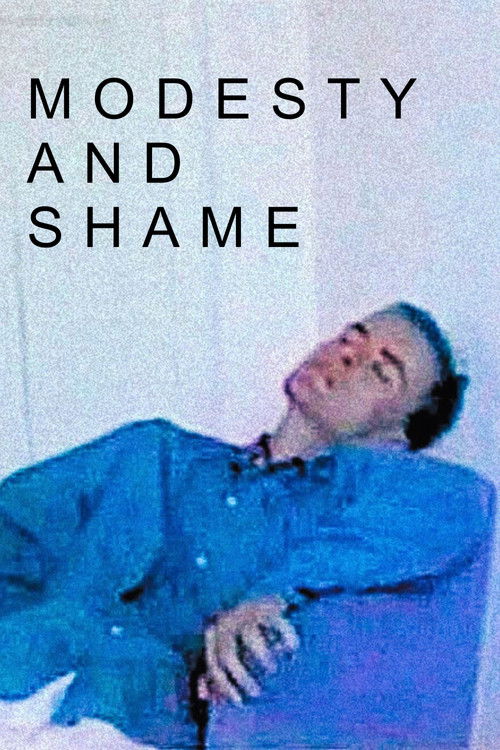
Modesty and Shame is a powerful work of reflexive cinema that centers on the intersection of queer identity and physical vulnerability. Using a personal video camera to document his final months, Guibert transforms the act of dying into an active, documented experience of the human condition. The film's greatest strength lies in its refusal to marginalize queer experiences, placing them at the heart of the narrative. While the localized, personal focus limits racial diversity, the film provides a vital historical record by documenting a underrepresented body on its own terms.
Category Breakdown
The film centers on the lived experiences and intimate connections of gay men during the HIV/AIDS crisis, serving as a cornerstone of queer cinematic expression.
The narrative highlights the vulnerability of the male body by presenting the protagonist as physically declining and emotionally exposed, challenging traditional masculine stereotypes.
The film features a relatively homogeneous cast reflecting the filmmaker's immediate social circle. It focuses on a localized French context rather than a broad racial spectrum.
The work prioritizes a personal, secular perspective on mortality, focusing on individual experiences rather than traditional religious narratives.
Guibert offers an unflinching look at chronic illness through the lens of HIV/AIDS, maintaining the subject's ability to act while documenting his physical decline.
Present on Screen
Limited or Absent
Official Synopsis
Famed French artist, photographer, writer and actor Hervé Guibert riveting self-portrayal of his last months and journies living with AIDS. Hervé is seen here in this film with his Panasonic video camera documenting his life. The scenes are shot from June 1990 through March 1991 in Paris France and a respite on the island of Elba. The film was first shown on TF1 (French Television 1) on January 20th, 1992, shortly after his death on December 27th, 1991. The film portrays a very personal look into the human condition.
1994
1978
1993
1993
2016

1994

2010
1997
No reviews yet. Be the first to share your thoughts on this movie!
Use the rating form above to leave a star rating and optional review.