Modesty and Shame
1995
No user ratings available yet
Representation score: 8.5 out of 10
Representation Score
Excellent
2016
Director
Carlos Nader
Runtime
82 minutes
Average Rating
No ratings yetNew Showbiz Analysis
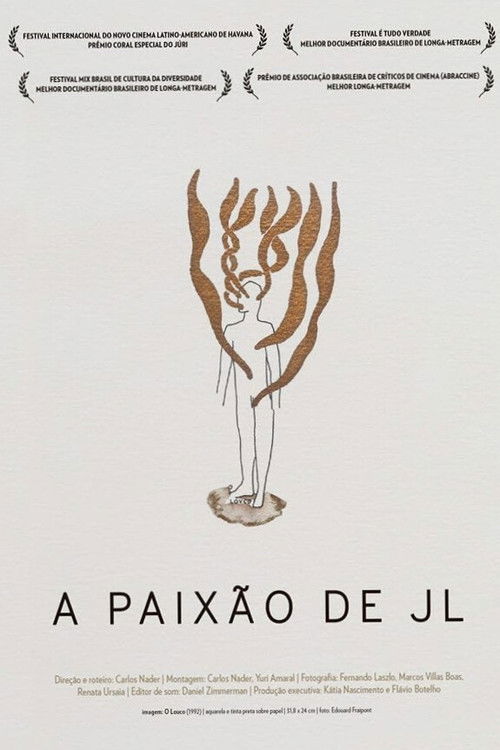
JL's Passion offers a deeply intimate portrayal of artist José Leonilson, using his own tape recordings to bridge the gap between personal art and global history. The documentary shines by centering a underrepresented voice and allowing Leonilson to maintain control over his narrative during a time of significant personal and political change. While the film excels at presenting a non-Western, subjective perspective on historical milestones, its narrow focus on a single individual limits the scope of its social commentary. Its strength lies in its refusal to sensationalize the subject's health crisis or adhere to traditional masculine stereotypes. Ultimately, the work serves as a nuanced study of resilience. It explores how an individual's internal reality intersects with systemic health crises and evolving political landscapes.
Category Breakdown
The film focuses on José Leonilson's reflections after receiving an HIV diagnosis and explores the intersection of his identity and health. It handles his personal confessions with sensitivity.
By emphasizing Leonilson's internal emotional landscape, the film challenges traditional masculine stereotypes of stoicism. However, the limited cast hinders a comprehensive look at gender dynamics.
The documentary presents a non-Western viewpoint by situating global events within the socio-political context of Brazil. It avoids a Eurocentric lens through its localized historical framing.
The narrative prioritizes Leonilson's personal truth over religious or institutional frameworks. It highlights individual consciousness and introspection over nationalist or religious dogma.
The film examines living with HIV/AIDS by focusing on the psychological and existential impact rather than tragedy. It avoids common clichés surrounding the condition.
Present on Screen
Limited or Absent
Official Synopsis
In January 1990, at the age of 33, the artist José Leonilson starts registering an intimate journal in a tape recorder. His views on events that shook both Brazil, such as the resignation of former president Collor, and overseas, such as the fall of the Berlin Wall, permeate his confessions. He also talks about his impressions on the various movies he used to watch. The records of this sensitive artist in tune with modern life did not intend, at first, anything more than register the harmony that existed between his life and his peculiar and intimate work. However, J.L. suffers the unexpected blow of the discovery that he himself is HIV positive. The uncertainty and urgency in his life begin to permeate his reports.
1995
1984
1994
2017

2025
2004
1993
2019
No reviews yet. Be the first to share your thoughts on this movie!
Use the rating form above to leave a star rating and optional review.