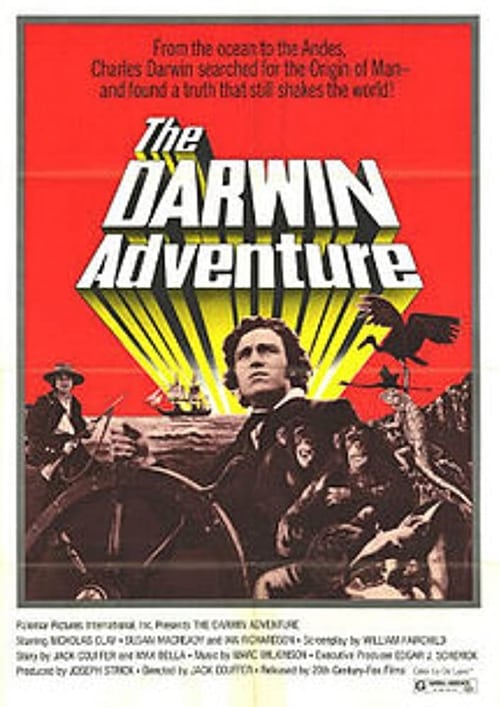
The Darwin Adventure
1972
No user ratings available yet
Diversity score: 3.2 out of 10

1978
PGDirector
Peter H. Hunt
Runtime
120 minutes
Average Rating
No ratings yetSynopsis
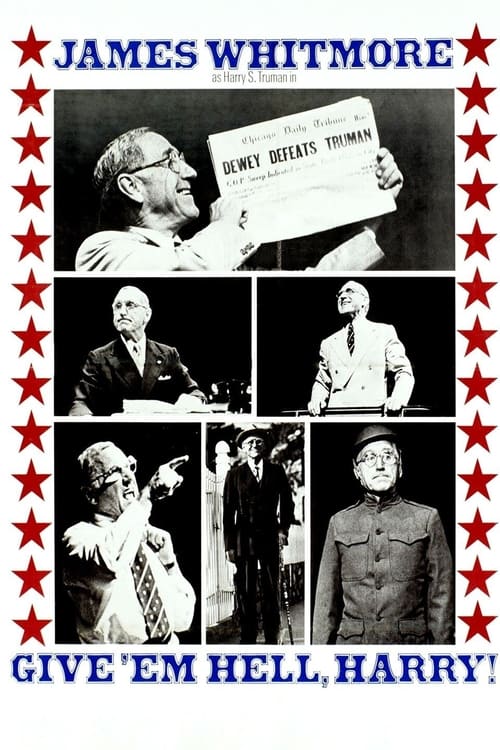
James Whitmore gives a rousing performance as Teddy Roosevelt, in a one-man show before a live audience similar to his previous performances in Give 'em Hell, Harry! and Will Rogers' USA.
Overall Score
Limited
Category Breakdown
LGBTQ+ Representation
The production lacks LGBTQ+ characters or narratives. It adheres to traditional biographical constraints without critiquing heteronormativity.
Gender Representation
The film centers on a singular male perspective through a solo performance. This format reinforces traditional masculine leadership and historical archetypes.
Racial & Ethnic Diversity
The narrative focuses on a figure deeply embedded in Western historical traditions. There is no evidence of race-bent casting or intersectional development.
Religious & Cultural Diversity
The film celebrates American historical identity and Western institutional legacies. It lacks secularism or critiques of Western institutions.
Disability Representation
There is no evidence of characters with disabilities portrayed with agency. The film does not include a neurodivergent or physical disability narrative.
Strengths
Areas for Improvement
AI Analysis
Bully: An Adventure with Teddy Roosevelt functions as a traditional biographical tribute. The narrative architecture is built around a singular, historically dominant male figure, which aligns with conventional storytelling structures rather than contemporary intersectional frameworks. The production reflects the traditionalist biographical standards of late 1970s television media. It lacks the demographic complexity or systemic deconstruction required for a higher progressive score. Because the film is a one-man show, it inherently limits the opportunity for diverse character interaction or varied perspectives.
1972
1975
1933
1950
1935
2016
1942
1939
2012
1961
1984
1956
No reviews yet. Be the first to share your thoughts on this movie!
Use the rating form above to leave a star rating and optional review.