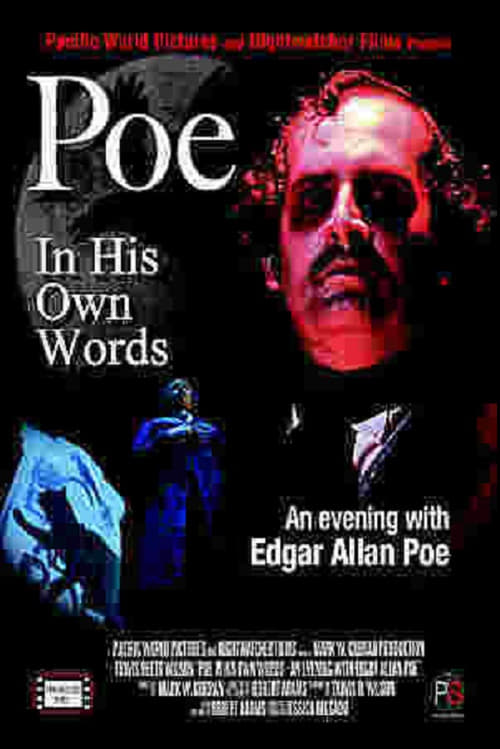
Poe: In His Own Words, An Evening with Edgar Allan Poe
2016
No user ratings available yet
Representation score: 3.3 out of 10
Representation Score
Limited
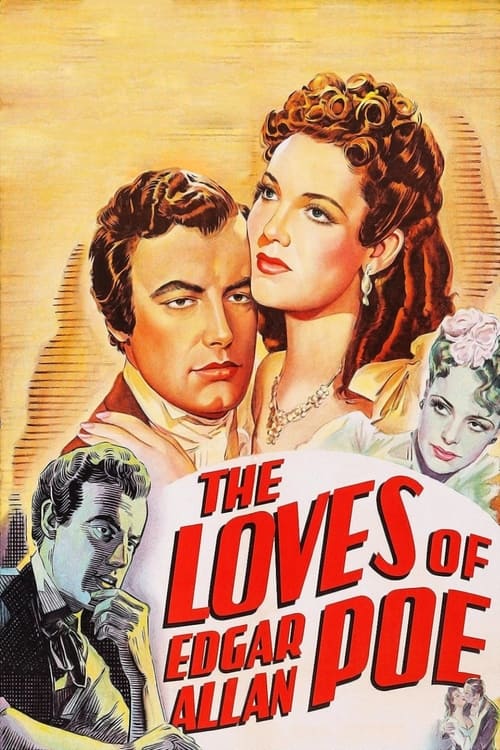
1942
NRDirector
Harry Lachman
Runtime
67 minutes
Average Rating
No ratings yetNew Showbiz Analysis
The film operates as a conventional biographical drama that adheres to historical narrative structures. It emphasizes the life of a well-known literary figure using established clichés from the early 1940s. Representation is constrained by the era's cinematic norms, focusing on straight-centered romance and homogeneous social structures. multi-layered identities and social hierarchies are not explored. Overall, the film presents a typical portrait of individual genius from the period rather than a modern exploration of diverse lived experiences.
Category Breakdown
The film follows traditional romantic structures from the 1940s, focusing on Poe's relationships with women. There is no indication of LGBTQ+ identities or non-traditional gender roles.
Women play central roles in the story, often serving as catalysts for Poe's personal growth. However, their influence may be secondary to the male protagonist's journey.
The narrative reflects the homogeneous society of the 19th century, with no significant representation of non-Anglo-Saxon characters or race-bent casting.
The story follows traditional Western biographical clichés, emphasizing individual genius and tragedy. It does not challenge institutional norms or offer secular critiques.
There is no documented evidence of physical or neurodivergent disabilities being portrayed in this biographical drama.
Present on Screen
Limited or Absent
Official Synopsis
Biography of Edgar Allan Poe and the women in his life.
2016
1982

1909
1937
1982
1996
1998
1988
No reviews yet. Be the first to share your thoughts on this movie!
Use the rating form above to leave a star rating and optional review.