Beau James
1957
No user ratings available yet
Representation score: 1.3 out of 10
Representation Score
Minimal
1933
PassedDirector
Hamilton MacFadden
Runtime
77 minutes
Average Rating
No ratings yetNew Showbiz Analysis
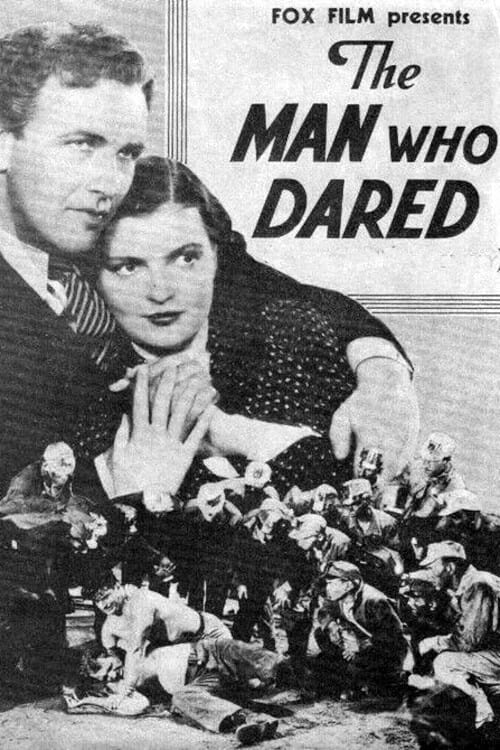
The Man Who Dared is a conventional historical drama that centers on the life and assassination of Anton Cermak. The film adheres to the biographical conventions of the early 1930s, emphasizing a singular, traditional masculine figure of political importance. This narrow focus limits multi-layered complexity. The film serves as a period-typical representation of political martyrdom, lacking progressive social commentary or disruption of established social hierarchies.
Category Breakdown
The film does not include any characters with LGBTQ+ identities, focusing instead on a historical political figure from the 1930s.
The story revolves around a male political leader, reflecting the era's limited roles for women. There is no indication of women challenging traditional gender hierarchies.
The narrative centers on the political landscape of Chicago and the Roosevelt administration, maintaining a predominantly white cast with minimal representation of non-white individuals.
This historical account presents a traditional biography focused on institutional leadership, reinforcing Western cultural perspectives without offering diverse viewpoints.
The film does not depict any characters with physical or neurodivergent disabilities, focusing solely on the historical narrative of Anton Cermak.
Present on Screen
Limited or Absent
Official Synopsis
An "imaginative biography" of Anton Cermak, mayor of Chicago who was killed in the line of fire during an assassination attempt on President-elect Franklin D. Roosevelt in Miami on February 15, 1933.
1957
1951
1939
1937

1940
2015
1945
2004
No reviews yet. Be the first to share your thoughts on this movie!
Use the rating form above to leave a star rating and optional review.