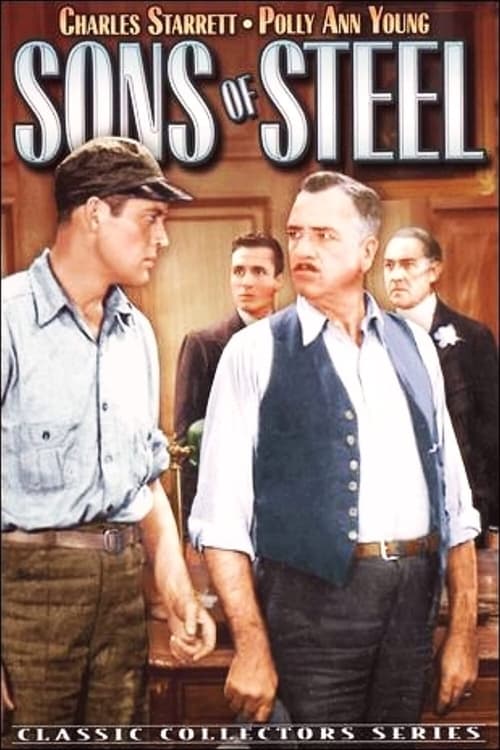
Sons of Steel
1934
No user ratings available yet
Diversity score: 2.1 out of 10

1935
ApprovedDirector
A. Edward Sutherland
Runtime
88 minutes
Average Rating
No ratings yetSynopsis
A loose biopic based on the life of Gilded Age tycoon "Diamond" Jim Brady.
Overall Score
Minimal
Category Breakdown
LGBTQ+ Representation
The film lacks any presence of non-cisnormative gender identities or same-sex romantic dynamics. It operates within a strictly heteronormative framework focused on traditional romance.
Gender Representation
Gender dynamics center on standard romantic leads that reinforce early 20th-century hierarchies. Female characters function in conventional roles rather than acting as primary drivers of the plot.
Racial & Ethnic Diversity
The narrative focuses almost exclusively on Anglo-centric, upper-class social circles. It offers a homogeneous depiction of wealth with no significant racial or ethnic diversity present.
Religious & Cultural Diversity
The story celebrates individualist capitalist success and the pursuit of material abundance. It aligns with traditional Western values regarding ambition without challenging systemic social hierarchies.
Disability Representation
There is no evidence of characters with visible or invisible disabilities. Disability is not utilized as a central thematic element or a tool for character development.
Strengths
Areas for Improvement
AI Analysis
Diamond Jim is a period-specific biographical drama that adheres closely to the social norms of 1935. The film centers on the archetype of the 'lovable rogue,' prioritizing a singular narrative of masculine charisma and Gilded Age wealth. Representation is highly limited, as the film reinforces traditional hierarchies rather than subverting them. The focus remains on a homogeneous, white, upper-class social environment that lacks intersectional depth. Ultimately, the production serves as a celebration of capitalist ambition. It offers little disruption to established Western archetypes, functioning as a conventional character study of a historical tycoon.
1934
1950
1952
1939
1931

1925
1932
1940

1927
1931
1935

1932
No reviews yet. Be the first to share your thoughts on this movie!
Use the rating form above to leave a star rating and optional review.