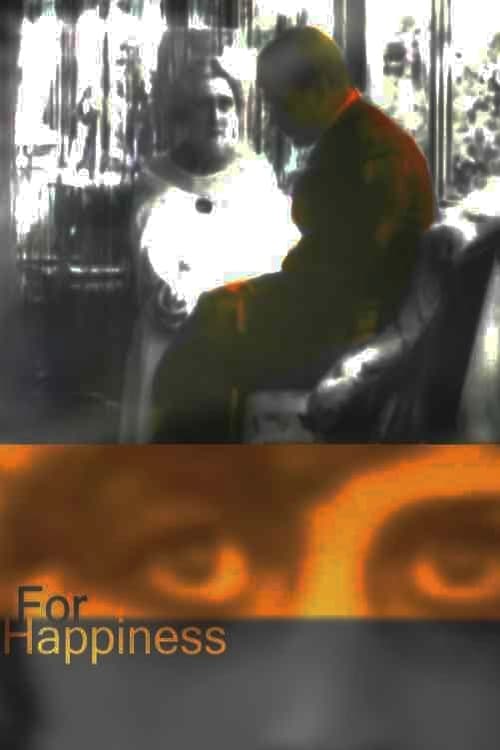
For Happiness
1917
No user ratings available yet
Representation score: 3.5 out of 10
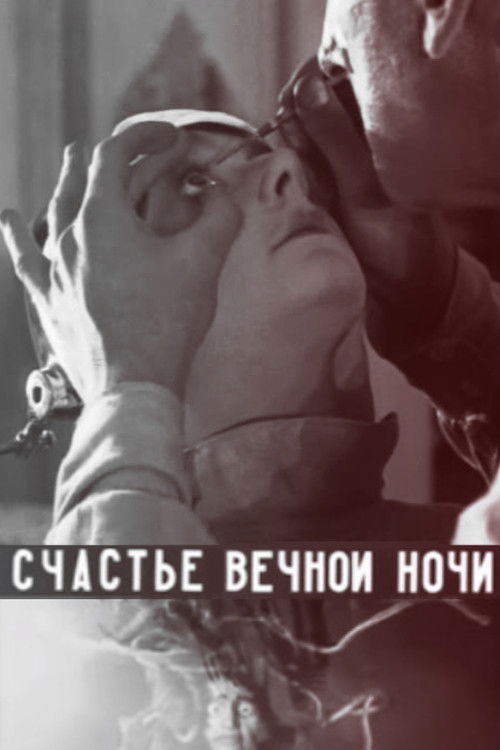
Representation Score
Fair
1915
Director
Yevgeni Bauer
Runtime
39 minutes
Average Rating
No ratings yetNew Showbiz Analysis
Yevgeni Bauer’s drama is a sophisticated psychological study that uses sensory perception to drive its tragic irony. It treats blindness as a nuanced element of character conflict rather than a mere plot device. However, the film is heavily influenced by the social norms of the early 20th century, lacking meaningful representation of racial, ethnic, or LGBTQ+ identities. Additionally, the narrative reinforces gendered vulnerabilities by depicting the female protagonist as a subject whose reality is managed by others.
Category Breakdown
The film focuses on a traditional heterosexual relationship and does not include any non-straight or non-cisgender identities or narratives that challenge the assumption that everyone is straight or cisgender.
The main character has a significant role in driving the story through her experiences and perceptions. However, the plot shows a patronizing dynamic where others withhold information to protect her perceived fragility.
Reflecting the homogeneous society of 1915 Imperial Russia, the film lacks evidence of ethnic diversity or casting actors with backgrounds different from the role's traditional expectation.
The story explores personal reality and the breakdown of family stability. It does not explicitly challenge the institutions of the time or promote specific secular ideas.
Blindness serves as a catalyst for complex character development rather than a static cliché. The narrative focuses on the psychological impact of regaining sight.
Present on Screen
Limited or Absent
Official Synopsis
A blind woman is cured by a doctor, but when her sight is restored she accidently mistakes her kind lover for his wayward younger brother and no one deems to correct her ‘fearing for her psyche’.
1917

1926
1915
1921

1951
1920
1912
1983
No reviews yet. Be the first to share your thoughts on this movie!
Use the rating form above to leave a star rating and optional review.