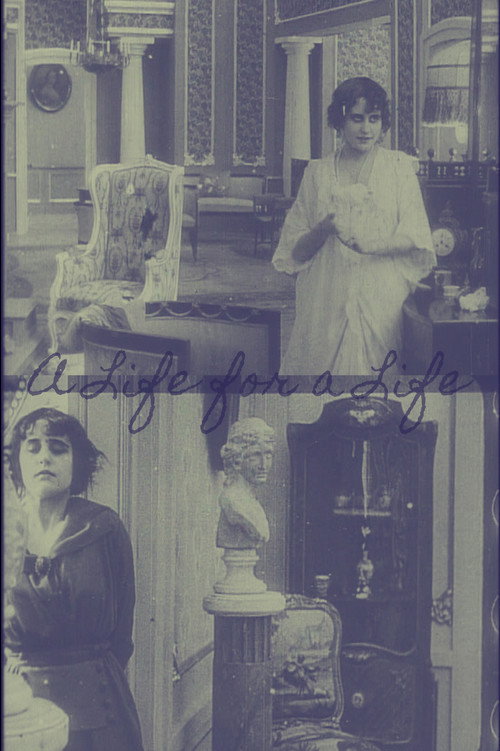
A Life for a Life
1916
No user ratings available yet
Representation score: 1.6 out of 10
Representation Score
Limited
1917
Director
Yevgeni Bauer
Runtime
41 minutes
Average Rating
No ratings yetNew Showbiz Analysis
Yevgeni Bauer’s drama centers on the complex emotional landscape of a mother and daughter. While the film adheres to the structural norms of early 20th-century melodrama, it provides a notable degree of ability to act to its female lead, Zoya. However, the film is limited by its historical context, showing significant demographic homogeneity. The narrative lacks LGBTQ+ representation and focuses on a traditional social framework typical of the era. Ultimately, the film's strength lies in its focus on character interiority and the lived experience of physical vulnerability, even if these elements serve traditional dramatic purposes.
Category Breakdown
The film does not include any characters with non-straight sexual orientations or gender identities. The story focuses entirely on traditional romantic relationships and family ties.
Zoya Verenskaya serves as a strong central protagonist. her ability to act is defined by her maternal devotion and her ability to prioritize her daughter's health over marriage.
The production reflects the demographic homogeneity of 1917 Imperial Russia. There is no indication of diverse racial or ethnic casting within the narrative.
The drama explores the tension between individual desire and familial duty. It moves toward emotional realism rather than a strictly didactic or moralistic framework.
Lee's impending blindness is a primary catalyst for the film's emotional stakes. Her physical vulnerability drives the central character arcs and plot conflicts.
Present on Screen
Limited or Absent
Official Synopsis
Since Zoya Verenskaya's husband passed away ten years ago, she has been devoted to her daughter Lee. At present, Lee is in poor health, and she is in danger of losing her eyesight. Zoya's suitor Dmitry wants to get married, but Zoya is determined to wait until Lee is better. Then, on a vacation in the Crimea, they learn Lee's true feelings for Dmitry, and suddenly all of their lives are thrown into turmoil.
1916
1949
1915

1923
1915

1911
1909
1914
No reviews yet. Be the first to share your thoughts on this movie!
Use the rating form above to leave a star rating and optional review.