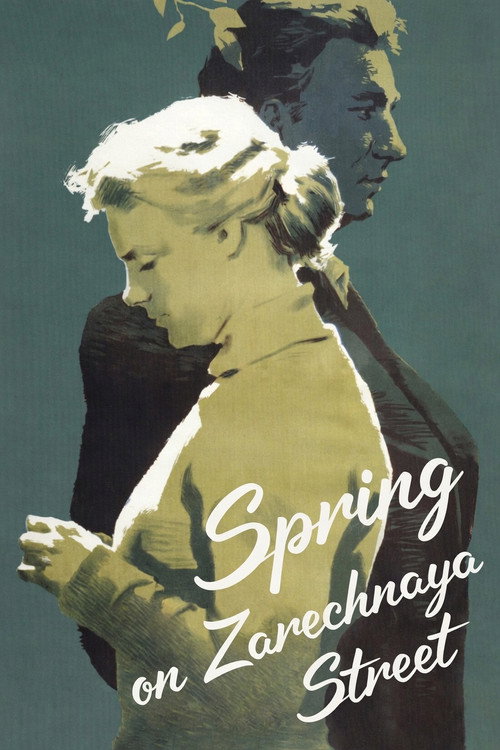
Spring on Zarechnaya Street
1956
No user ratings available yet
Representation score: 3.2 out of 10
Representation Score
Limited
1956
Director
Viktor Eisymont
Runtime
100 minutes
Average Rating
No ratings yetNew Showbiz Analysis
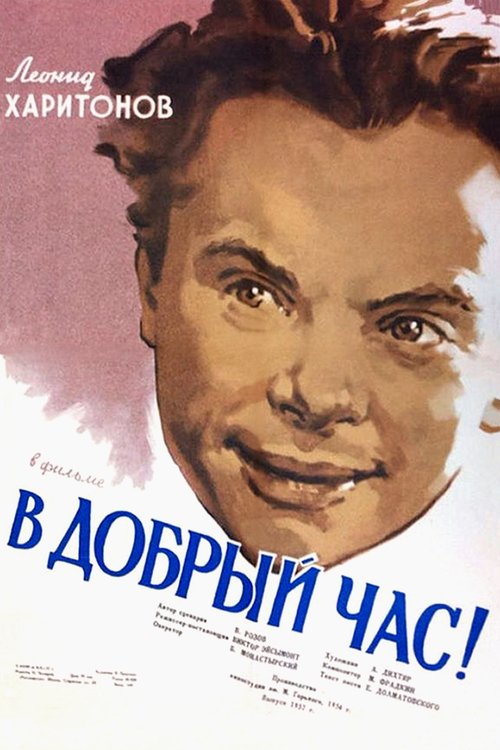
Good Luck! is a mid-century Soviet drama that emphasizes social mobility and institutional success over identity politics. The story follows Alexey's journey from Siberia to Moscow, framing his personal growth through the lens of academic and state alignment. The film operates within the framework of socialist realism, highlighting collective progress and the stability of state institutions. It lacks the deconstruction of traditional norms, focusing instead on the integration of the individual into the urban center. Ultimately, the film reflects the geopolitical context of 1956, favoring conventional social structures and traditional romantic pairings over diverse or subversive representations.
Category Breakdown
The film does not include any characters with non-straight sexual orientations or same-sex relationships. It follows traditional romantic structures typical of the 1956 Soviet cinema.
The story centers around a male protagonist named Alexey. Women appear in supporting or academic roles, but there is no indication of challenging traditional gender hierarchies or norms.
The narrative focuses on internal migration from Siberia to Moscow, highlighting class and geographic movement within a culturally uniform Soviet setting rather than ethnic diversity.
The film examines the tension between rural life and Moscow’s centralized authority. It emphasizes state institutions and collective social advancement over individualist or religious values.
There are no characters with visible or invisible disabilities in the film.
Present on Screen
Limited or Absent
Official Synopsis
A story of a young man Alexey who comes to Moscow from Siberia trying to get into one of the Moscow universities.
1956
1986
1956
1965
1956
1980
1977
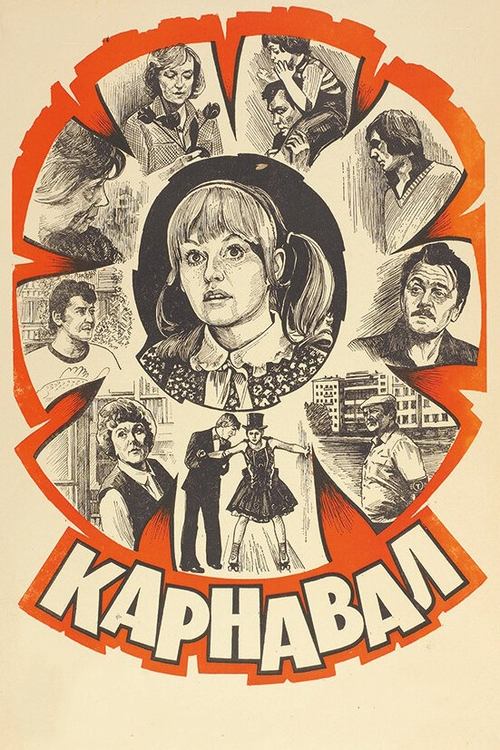
1981
No reviews yet. Be the first to share your thoughts on this movie!
Use the rating form above to leave a star rating and optional review.