Jailbait
1993
No user ratings available yet
Representation score: 2.0 out of 10
Representation Score
Limited
1959
Director
Édouard Molinaro
Runtime
85 minutes
Average Rating
No ratings yetNew Showbiz Analysis
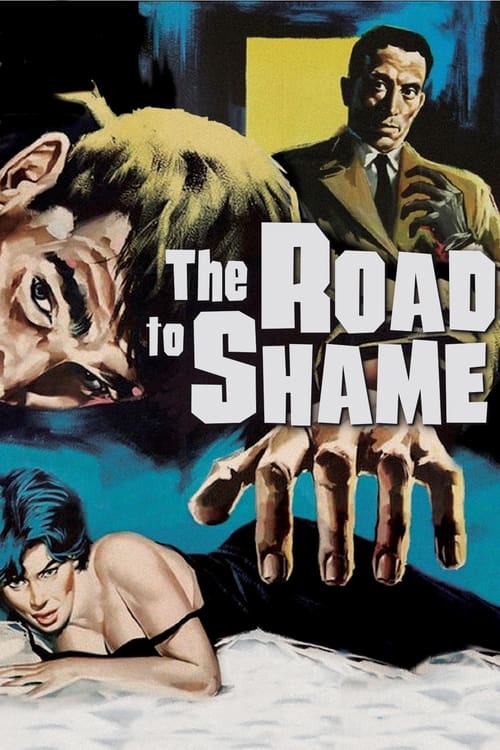
The Road to Shame operates mainly as a genre-driven thriller rather than a vehicle for diverse representation. While it exposes the dark side of human trafficking, it does so through a conventional narrative lens. The film captures the changing social dynamics of late 1950s French cinema, emphasizing existentialist themes. However, it does not intentionally address demographic diversity or individual identity.
Category Breakdown
The film focuses on the romantic tension between Pierre and Béatrice but does not explore non-traditional gender identities or challenge the idea that everyone is straight. There are no explicit representations of LGBTQ+ identities.
Women are shown as victims of a criminal underworld, highlighting the exploitation by patriarchal systems. They often act as catalysts for the male protagonist's journey but do not have independent roles.
The film reflects the homogeneous society of mid-1950s Marseille. It upholds the Eurocentric casting norms of the time, showing limited diversity.
The film explores existentialist themes by breaking down traditional social orders. It depicts a criminal underworld that questions moral absolutes and criticizes corrupt power structures.
There is no evidence of characters with physical or neurodivergent disabilities in the film.
Present on Screen
Limited or Absent
Official Synopsis
Pierre Rossi and Béatrice live in the same block of flats in Marseille and love each other. One night, Béatrice leaves her apartment. Pierre knows that his fiancée goes to a rendezvous, but she would not tell him more than just that. Worried, Pierre follows her but he is attacked and stolen his identity papers by two men, Tom and Nasol, on the payroll of Quaglio, one of the city's bosses. Later on, Quaglio kills Nasol and deposits the body in a garage, leaving Pierre's papers nearby. As for Pierre, he manages to follow Tom to a villa where several young women have been invited. Pierre, horrified, realizes that this place is the headquarters for the white slave trade. - Written by Guy Bellinger
1993

2018

1985
1978

1974

1983

2005

2012
No reviews yet. Be the first to share your thoughts on this movie!
Use the rating form above to leave a star rating and optional review.