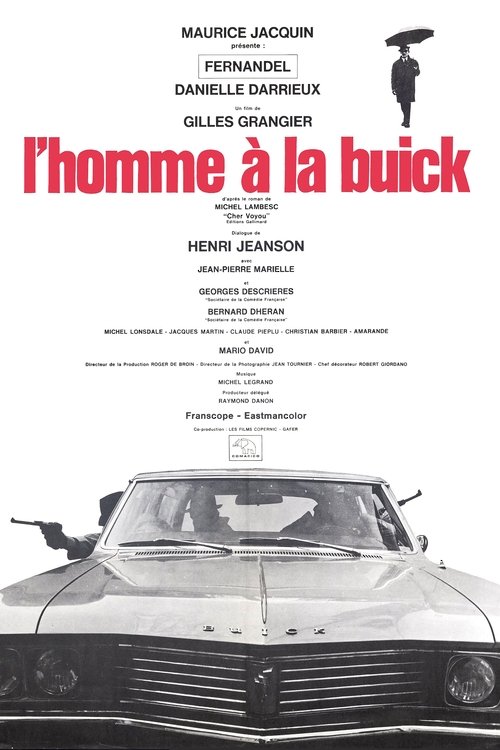
The Man in the Buick
1968
No user ratings available yet
Diversity score: 2.8 out of 10
1958
NRDirector
Gilles Grangier
Runtime
93 minutes
Average Rating
No ratings yetSynopsis
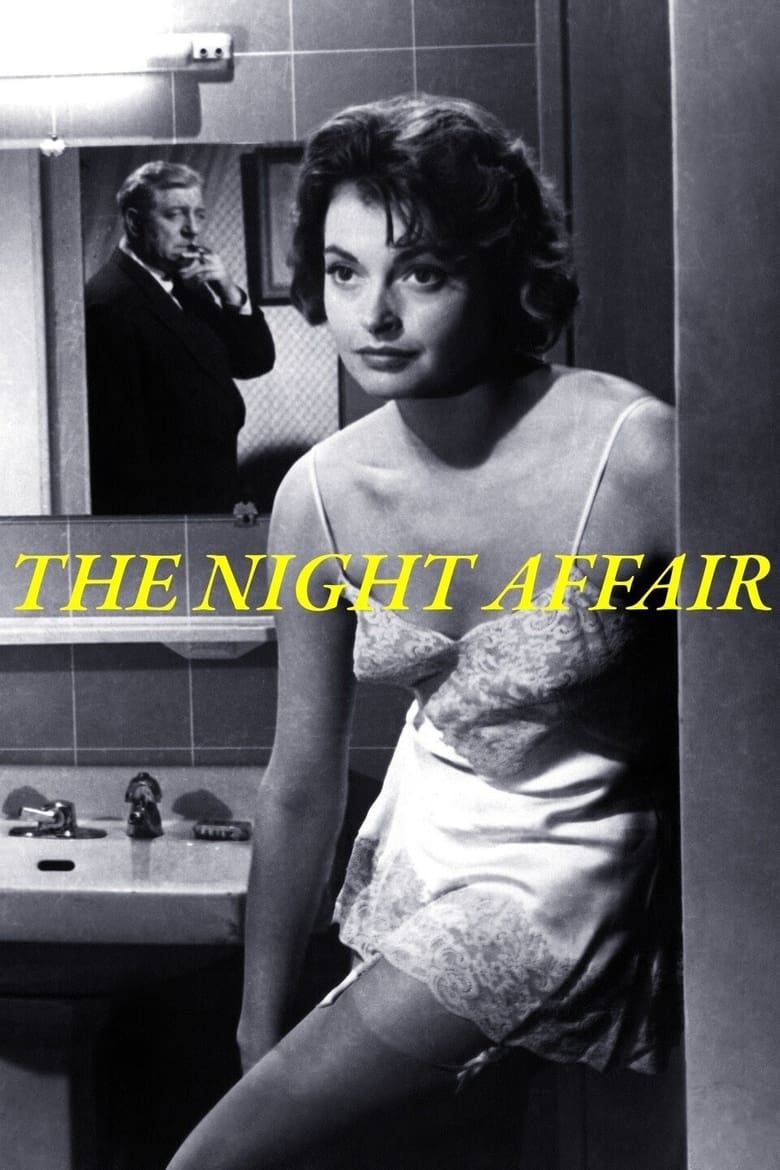
Vallois, a vice inspector for the Paris police, takes special interest in the plight of drug-addicted Lucky (Najda Tiller), whom he considers to be more victim than criminal. Taking it upon himself to wean Lucky away from narcotics, Vallois also wins her love -- and, incidentally, smashes the dope ring responsible for her addiction.
Overall Score
Limited
Category Breakdown
LGBTQ+ Representation
The film follows a conventional romantic trajectory between the male protagonist and the female lead. It lacks non-cisnormative identities or narratives that challenge heteronormativity.
Gender Representation
Gender hierarchies are traditional, with the male inspector acting as a stabilizing force. The female lead's agency is largely defined by her vulnerability and relationship to the hero.
Racial & Ethnic Diversity
The cast reflects the homogeneous demographic norms of post-war French cinema. While Najda Tiller is a point of interest, there is no evidence of intentional intersectional casting.
Religious & Cultural Diversity
The story focuses on individual moral responsibility rather than systemic critique. It utilizes a restorative justice model where the protagonist dismantles a criminal ring.
Disability Representation
Addiction is treated as a plot catalyst for the hero's journey. This approach risks using dependency as a trope rather than exploring the lived experience of the individual.
Strengths
Areas for Improvement
AI Analysis
The film is a quintessential product of 1950s French noir, prioritizing established genre archetypes over social subversion. The narrative structure centers on a competent male protector rescuing a vulnerable female subject, reinforcing traditional gender roles and hierarchies. While the film touches on the complexities of the Parisian underworld and drug addiction, it does so through a lens of individual morality. It lacks a critique of systemic power dynamics, focusing instead on the hero's ability to restore order. Ultimately, the work adheres to the demographic and social norms of its era, offering limited engagement with progressive representation or the disruption of Eurocentric cinematic standards.
No reviews yet. Be the first to share your thoughts on this movie!
Use the rating form above to leave a star rating and optional review.