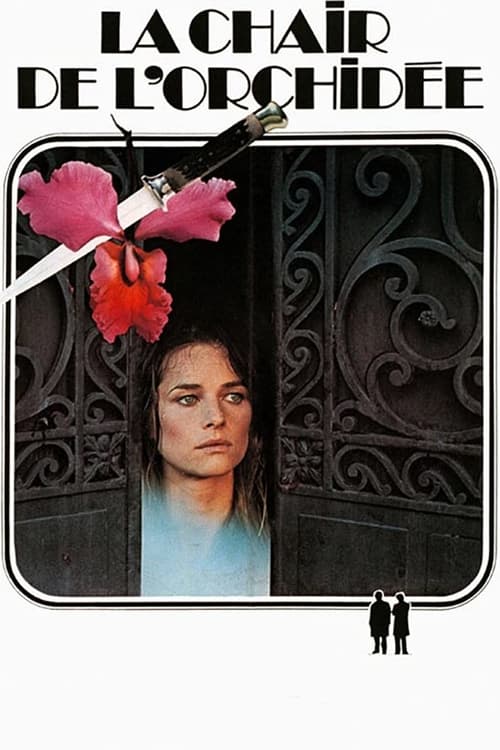
Flesh of the Orchid
1975
No user ratings available yet
Representation score: 4.8 out of 10
Representation Score
Minimal
1975
Director
Serge Leroy
Runtime
92 minutes
Average Rating
No ratings yetNew Showbiz Analysis
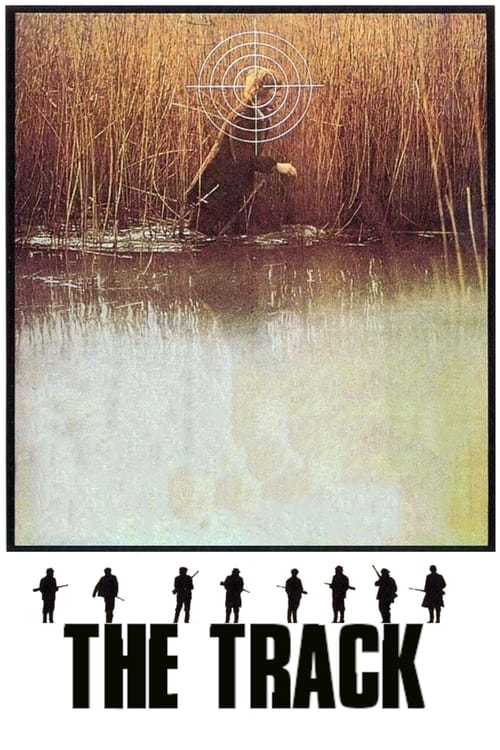
The Track is a gritty genre piece that focuses on the breakdown of social morality in rural France. It functions primarily as a psychological thriller centered on survival and systemic corruption. While the film lacks modern representation that reflects multiple aspects of identity, it succeeds in deconstructing the perceived integrity of rural social institutions. It frames the community as a source of threat rather than protection. Ultimately, the film's narrow demographic focus and reliance on victimization clichés result in a low diversity score, despite its sharp critique of social hierarchies.
Category Breakdown
The film adheres to a traditional framework that assumes everyone is straight or cisgender. There are no LGBTQ+ characters or narratives addressing non-straight relationships.
The story centers on a female protagonist facing systemic aggression from a male-dominated group. She takes control through escape, but the narrative relies heavily on the cliché of female victimization.
The setting is rural France with a homogeneous European demographic. There is no indication of racial or ethnic diversity within the primary cast or central conflict.
The film critiques traditional communal structures by depicting local citizens conspiring to protect a scandal. It portrays the local social order as corrupt and predatory rather than moral.
No visible or invisible disabilities are identified within the primary character arcs.
Present on Screen
Limited or Absent
Official Synopsis
Somewhere in rural France, a young English female tourist is sexually assaulted by two men in the countryside. After she manages to escape, a party of local hunters agree to track her in order to cover up the scandal.
1975
1970
1959

1970

1980
1964
1974
1971
No reviews yet. Be the first to share your thoughts on this movie!
Use the rating form above to leave a star rating and optional review.