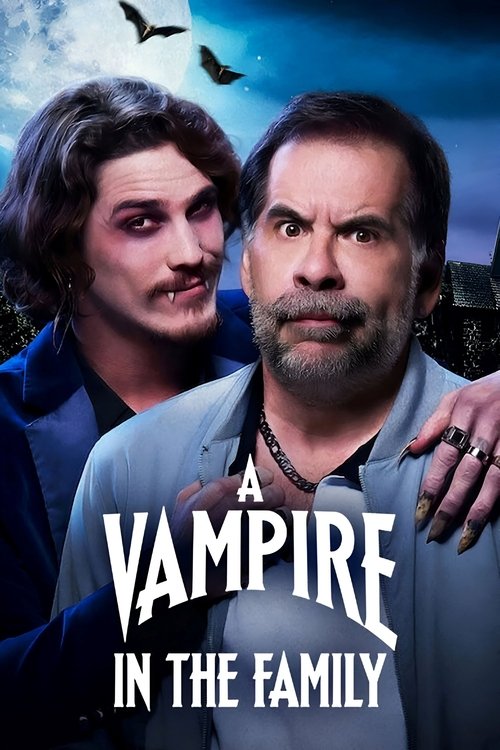
A Vampire in the Family
2023
No user ratings available yet
Diversity score: 5.2 out of 10
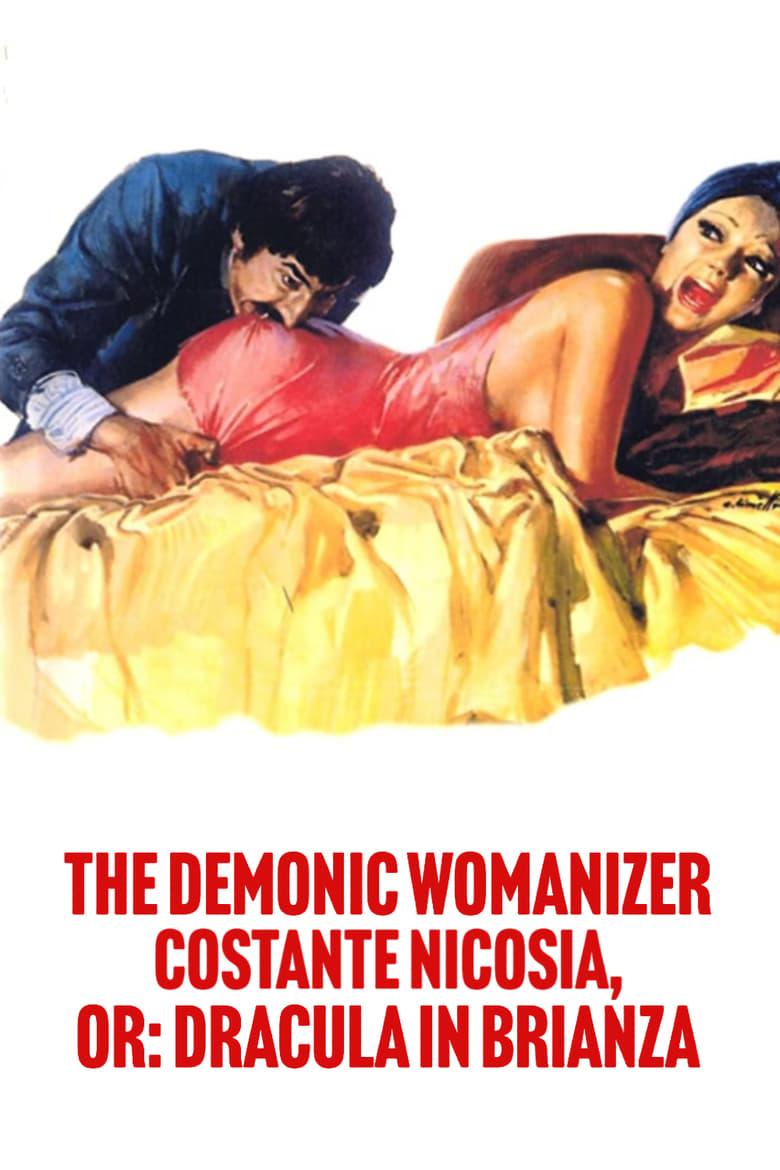
1975
Director
Lucio Fulci
Runtime
100 minutes
Average Rating
No ratings yetSynopsis
A boorish, snobish toothpaste factory owner, Constantino Nicosia, gives his wife and everyone a hard time having let success and wealth go to his head. But after the superticous Nicosia has an encounter with an elderly gypsy aunt, and a business trip to Romania results in another encounter with a suave vampire, named Count Dragalescu, Nicosia returns with blood-sucking like qualities which makes him re-examine his life and existence.
Overall Score
Fair
Category Breakdown
LGBTQ+ Representation
The film lacks explicit LGBTQ+ characters or non-heteronormative identities. The narrative focuses primarily on the protagonist's domestic life and business dealings.
Gender Representation
The story subverts traditional gender hierarchies by stripping the protagonist of his masculine dominance. His wealth and success fail to maintain his authority, leaving him vulnerable.
Racial & Ethnic Diversity
Ethnic elements are introduced through a gypsy aunt and a Romanian setting. These characters provide a departure from a purely homogeneous social structure.
Religious & Cultural Diversity
The film critiques capitalist success and social hierarchies. It uses supernatural elements to challenge traditional morality and promote a more existential, chaotic perspective.
Disability Representation
There is no evidence of physical or neurodivergent disability representation within the narrative.
Strengths
Areas for Improvement
AI Analysis
Lucio Fulci’s satire uses horror to dismantle the ego of a boorish, wealthy factory owner. By introducing supernatural elements like Count Dragalescu, the film deconstructs the traditional patriarchal figure and critiques the stability of capitalist success. The film succeeds in subverting social hierarchies and challenging the 'successful man' trope. It moves away from conventional moralism toward a more relativistic and existential worldview. However, the film remains limited by its reliance on genre archetypes and a lack of explicit representation for LGBTQ+ and disabled characters. The cultural diversity present is tied largely to established horror tropes.
2023
2019
2021
1990

2003
1996
2000
1971
1987

2014

2019
1979
No reviews yet. Be the first to share your thoughts on this movie!
Use the rating form above to leave a star rating and optional review.