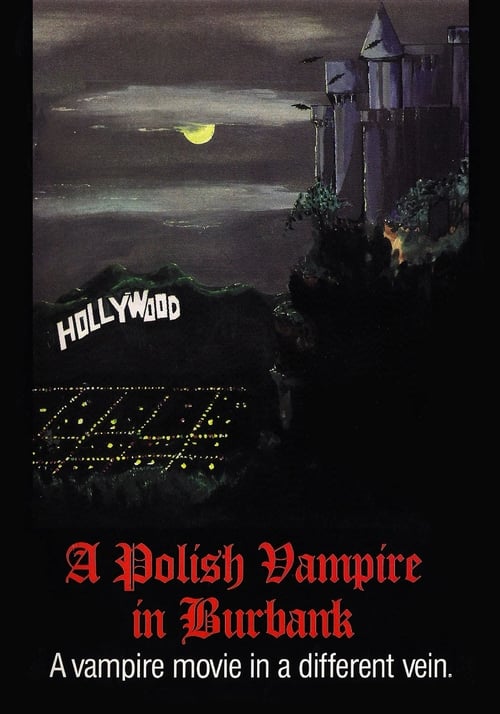
A Polish Vampire in Burbank
1983
No user ratings available yet
Representation score: 3.9 out of 10
Representation Score
Limited
1971
PGDirector
Laurence Merrick, Mario d'Alcala
Runtime
80 minutes
Average Rating
No ratings yetNew Showbiz Analysis
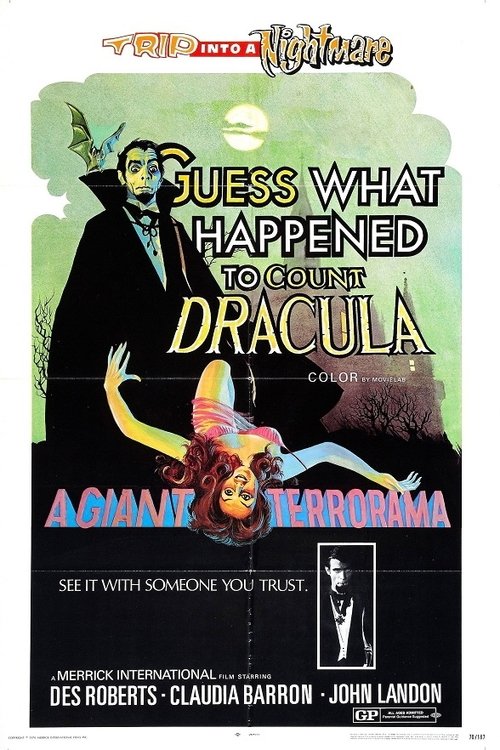
This horror-comedy reimagines the Dracula mythos by placing the character in a modern, urban setting. The shift from a Gothic antagonist to a Los Angeles nightclub owner suggests a move toward secular, commercialized themes rather than traditional moralism. However, the film lacks specific evidence regarding identity-driven influence. While the setting provides a foundation for modern social themes, the character dynamics and racial composition of the ensemble are not clearly defined in the available data. Ultimately, the production follows standard genre conventions of the early 1970s, focusing more on the premise of a modernized monster than on diverse representation.
Category Breakdown
The film does not explicitly show characters with LGBTQ+ identities or same-sex intimacy. Although the Los Angeles nightclub setting often features non-traditional expressions, no specific characters are identified as LGBTQ+.
The story focuses on a male protagonist navigating a commercial environment. Female cast members are present, but there is no indication that women hold roles of significant influence or challenge traditional gender hierarchies.
Set in a diverse urban landscape, the film includes actors like John King III and Frank Donato. However, the racial makeup and integration of diverse characters have not been verified.
The film reinterprets Gothic archetypes by shifting Dracula into a secular, capitalist framework. This repositioning of a classic monster as a nightclub owner moves away from traditional supernatural fear.
There is no evidence of characters with visible or invisible disabilities within the narrative.
Present on Screen
Limited or Absent
Official Synopsis
The latter-day adventures of Count Dracula, now calling himself Adrian and running a haunted-house-themed nightclub in Los Angeles.
1983
1967
1997
1995
1981
2023
2012
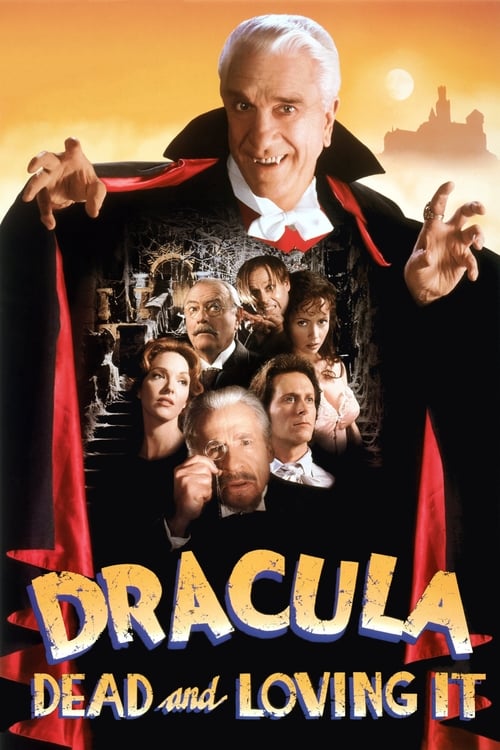
1995
No reviews yet. Be the first to share your thoughts on this movie!
Use the rating form above to leave a star rating and optional review.