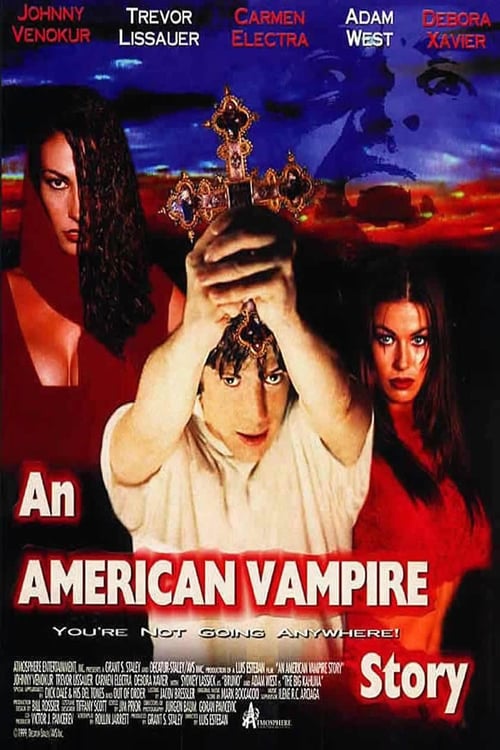
An American Vampire Story
1997
No user ratings available yet
Representation score: 2.5 out of 10

Representation Score
Minimal
2003
RDirector
Michael Keller
Runtime
88 minutes
Average Rating
No ratings yetNew Showbiz Analysis
Vampires Anonymous is a genre-driven comedy that uses supernatural elements to explore addiction. The plot follows a vampire trying to overcome his predatory behavior through a 12-step program. While the premise breaks down the idea of horror monsters, the film doesn't show multi-layered character development. It seems to follow standard genre storytelling without challenging established social norms. Overall, the film doesn't show a pattern of progressive intentions. It relies on familiar formulas and traditional institutional frameworks.
Category Breakdown
The film doesn't include any LGBTQ+ identities or critiques of the assumption that everyone is straight. There are no stories that challenge this assumption.
The story focuses on a main character's struggle with food and body image. It doesn't address gender power dynamics or challenge traditional gender roles.
The cast includes diverse actors, but race isn't a key part of the plot. The casting doesn't seem to challenge typical demographic expectations.
The story centers on a Western 12-step program, suggesting a narrative rooted in traditional recovery methods.
The film doesn't clearly show characters with disabilities taking active roles or facing neurodivergence or chronic struggles.
Present on Screen
Limited or Absent
Official Synopsis
A vampire trying to get away from his "eating habits", joins a 12-step program.
1997

1989
2005
2023
2008
1978
1991
1995
No reviews yet. Be the first to share your thoughts on this movie!
Use the rating form above to leave a star rating and optional review.