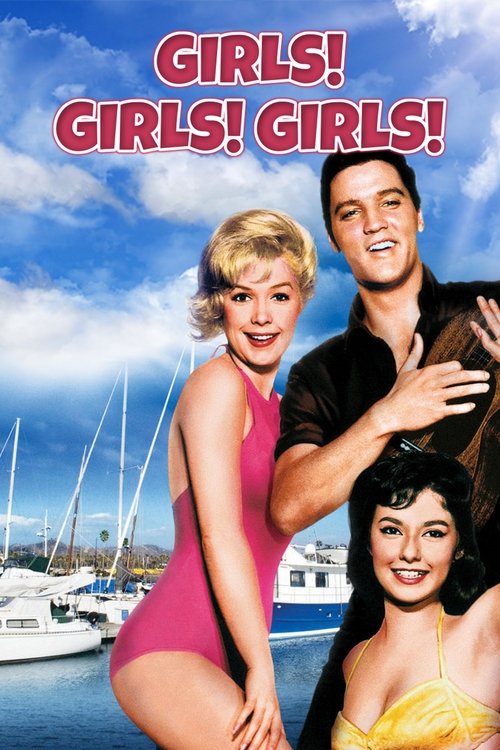
Girls! Girls! Girls!
1962
No user ratings available yet
Diversity score: 2.7 out of 10
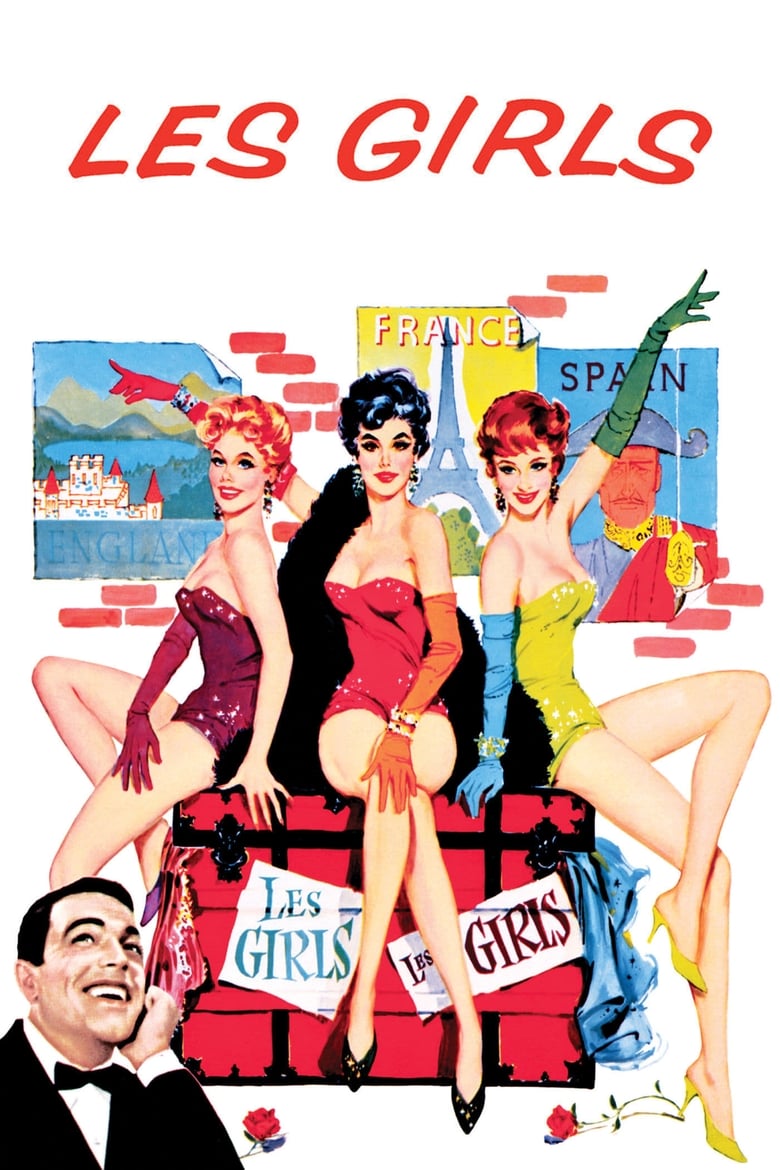
1957
NRDirector
George Cukor
Runtime
114 minutes
Average Rating
No ratings yetSynopsis
After writing a tell-all book about her days in the dance troupe "Barry Nichols and Les Girls", Sybil Wren is sued for libeling her fellow dancer Angele. A Rashômon style narrative presents the story from three points of view where Sybil accuses Angele of having an affair with Barry, while Angele insists that it was actually Sybil who was having the affair. Finally, Barry gives his side of the story.
Overall Score
Limited
Category Breakdown
LGBTQ+ Representation
The film adheres to 1950s heteronormative standards. The central conflict focuses on romantic entanglements between the female dancers and the male lead, with no same-sex intimacy present.
Gender Representation
The narrative centers on a female ensemble and passes the Bechdel test through discussions of professional ambitions. However, the resolution remains tethered to traditional romantic subplots.
Racial & Ethnic Diversity
Set in 19th-century Paris, the cast is predominantly white. The production lacks significant minority representation or color-blind casting typical of the era's Western musical productions.
Religious & Cultural Diversity
The story follows a conventional structure reinforcing traditional social norms. It focuses on individual romantic pursuits and professional success within a Western capitalist framework.
Disability Representation
No visible or invisible disabilities are portrayed. Characters are defined by the physical capabilities required for professional dance, with no focus on neurodivergence or chronic illness.
Strengths
Areas for Improvement
AI Analysis
George Cukor’s direction provides a sophisticated look at a female-driven ensemble, offering more psychological depth than many contemporary musicals. The film succeeds in portraying women as a professional unit with agency and conflicting perspectives. However, the production is heavily constrained by the era's limitations. It lacks racial diversity and remains strictly heteronormative, centering its drama on traditional romantic entanglements. Ultimately, while the film elevates female camaraderie and professional life, it functions within a standard Hollywood framework that does not challenge systemic social hierarchies.
1962

1957
1967
1953
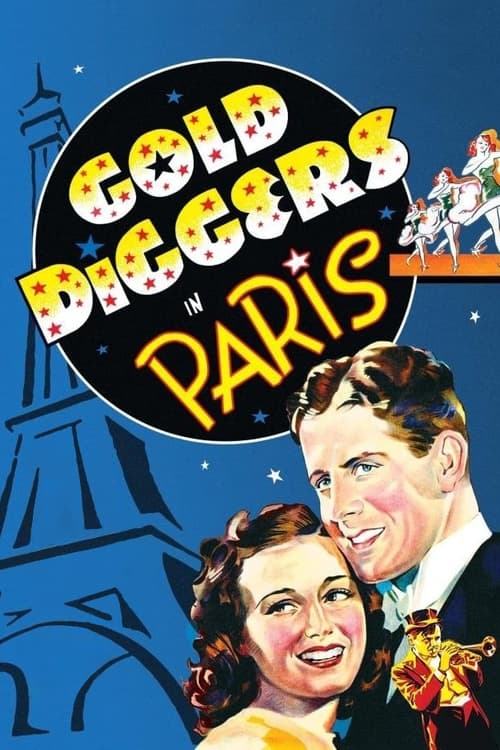
1938
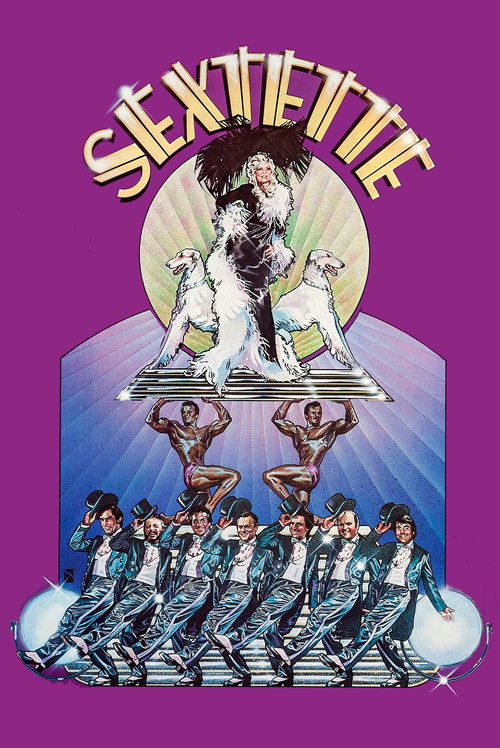
1978
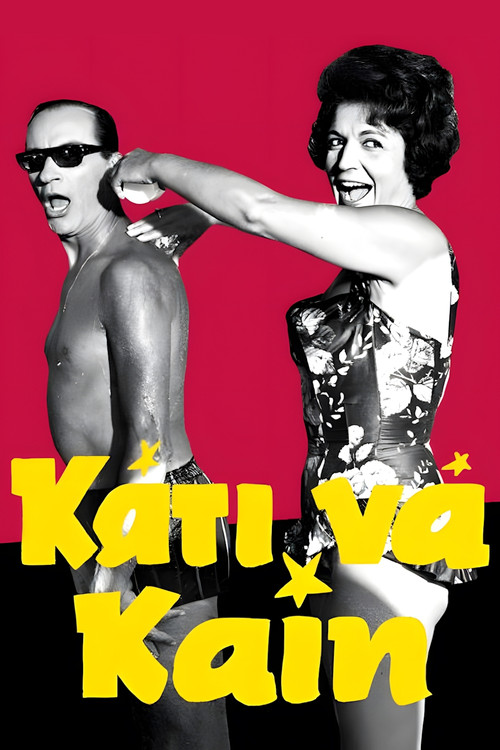
1964
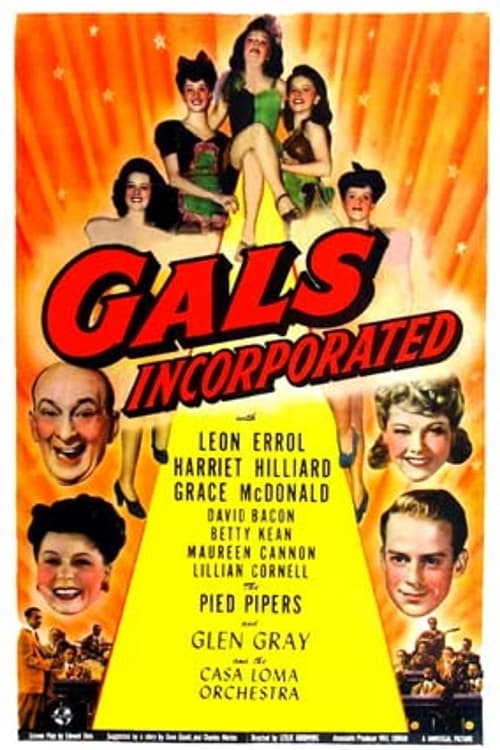
1943

1952
1948
1950
1940
No reviews yet. Be the first to share your thoughts on this movie!
Use the rating form above to leave a star rating and optional review.