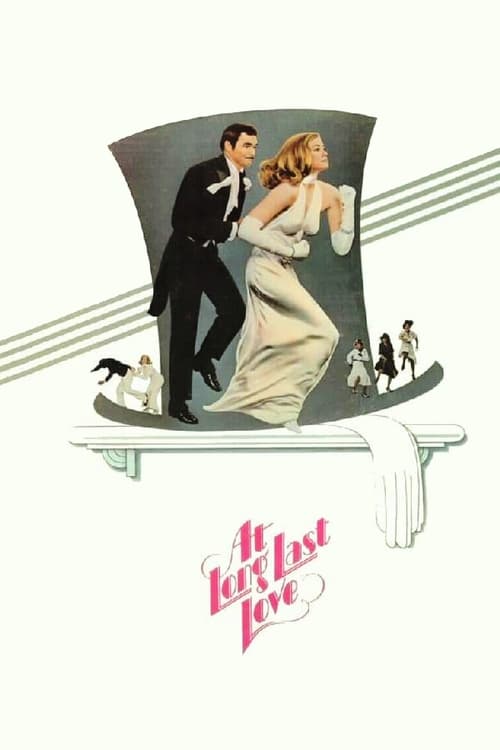
At Long Last Love
1975
No user ratings available yet
Representation score: 1.1 out of 10
Representation Score
Minimal
1978
PGDirector
Ken Hughes
Runtime
85 minutes
Average Rating
No ratings yetNew Showbiz Analysis
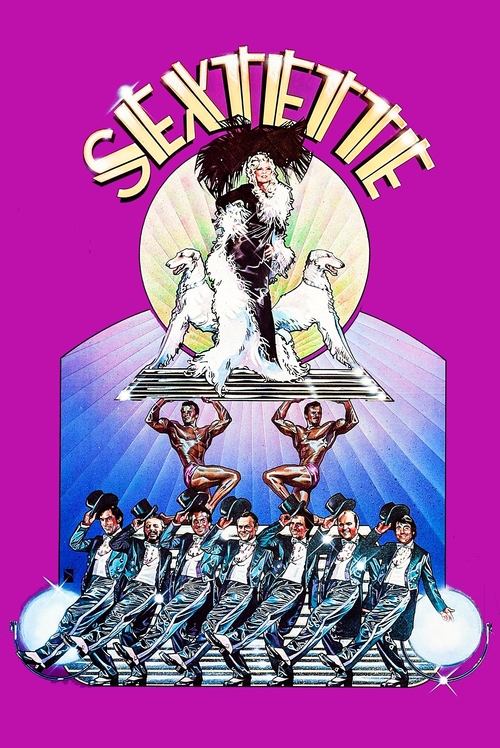
Sextette is a lavish production centered around a star-studded cast in 1920s Venice. While it includes progressive elements through the protagonist's autonomy, these are limited to her character alone. The film challenges traditional gender roles but fails to provide broader demographic representation. It remains focused on a homogeneous, Eurocentric society. Overall, Sextette lacks diverse representation. It prioritizes the whimsical lifestyles of the wealthy over addressing broader societal issues or anti-establishment themes.
Category Breakdown
The film does not include any LGBTQ+ characters or stories. The romantic relationships involve only heterosexual couples.
Marlo Manners challenges traditional gender roles by being wealthy and independent. She disrupts expectations of female submissiveness by marrying six men in one day.
The cast is mostly white and European, reflecting a narrow social circle without diverse ethnic backgrounds.
The film focuses on celebrating the lives of the ultra-wealthy. It does not offer any critique of the establishment or capitalism.
The film does not feature any characters with physical or mental disabilities.
Present on Screen
Limited or Absent
Official Synopsis
On the day of her wedding to her sixth husband, glamorous silver screen sex symbol Marlo Manners is sought to intervene in a political dispute between nations, which leads to chaos.
1975
1957
1965
1966
1956

1953

1934
1938
No reviews yet. Be the first to share your thoughts on this movie!
Use the rating form above to leave a star rating and optional review.