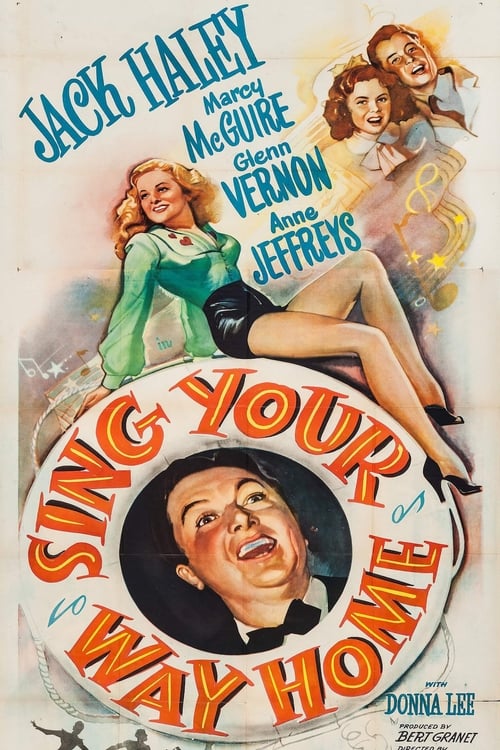
Sing Your Way Home
1945
No user ratings available yet
Diversity score: 3.2 out of 10

1948
NRDirector
Leslie Fenton, King Vidor
Runtime
107 minutes
Average Rating
No ratings yetSynopsis
Oliver Pease gets a dose of courage from his wife Martha and tricks the editor of the paper (where he writes lost pet notices) into assigning him the day's roving question. Martha suggests, "Has a little child ever changed your life?" Oliver gets answers from two slow-talking musicians, an actress whose roles usually feature a sarong, and an itinerant cardsharp. In each case the "little child" is hardly innocent: in the first, a local auto mechanic's "baby" turns out to be fully developed as a woman and a musician; in the second, a spoiled child star learns kindness; in the third, the family of a lost brat doesn't want him returned. And Oliver, what becomes of him?
Overall Score
Limited
Category Breakdown
LGBTQ+ Representation
The film follows conventional romantic and social structures typical of the late 1940s. There is no evidence of LGBTQ+ characters or narratives that critique heteronormativity.
Gender Representation
Martha provides the protagonist with psychological influence and the thematic catalyst for his journey. While she possesses agency, the dynamic remains rooted in a traditional domestic framework.
Racial & Ethnic Diversity
The characters described do not provide evidence of intersectional casting or the disruption of racial hierarchies. The work appears to reflect the demographic homogeneity common in mid-century Hollywood.
Religious & Cultural Diversity
The film functions as a traditional episodic comedy focusing on individual moral lessons. It reinforces standard social cohesion rather than challenging Western institutions or religious morality.
Disability Representation
There is no evidence of characters with visible or invisible disabilities, neurodivergence, or chronic illness within the narrative.
Strengths
Areas for Improvement
AI Analysis
On Our Merry Way is a mid-century character study that adheres to the standard social and narrative hierarchies of 1948. The film uses episodic vignettes to explore human connection and subjective morality through a traditional lens. While the film offers moments of individual character development, it lacks the intentionality required to disrupt established tropes. The narrative structure remains firmly within the conventional bounds of the studio system era.
1945
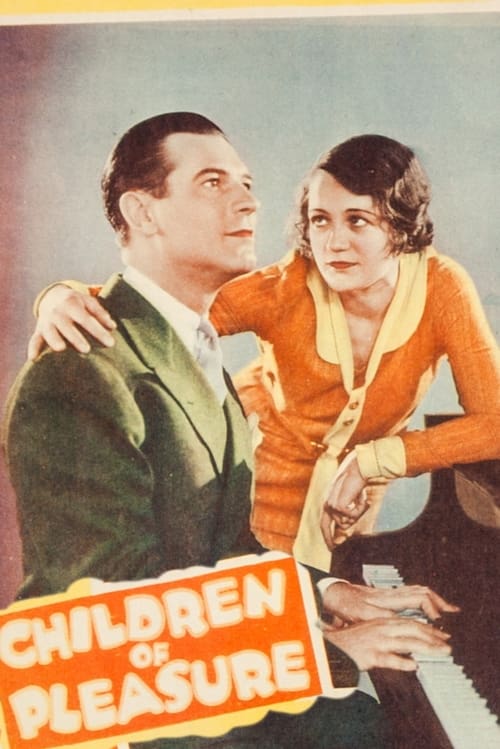
1930
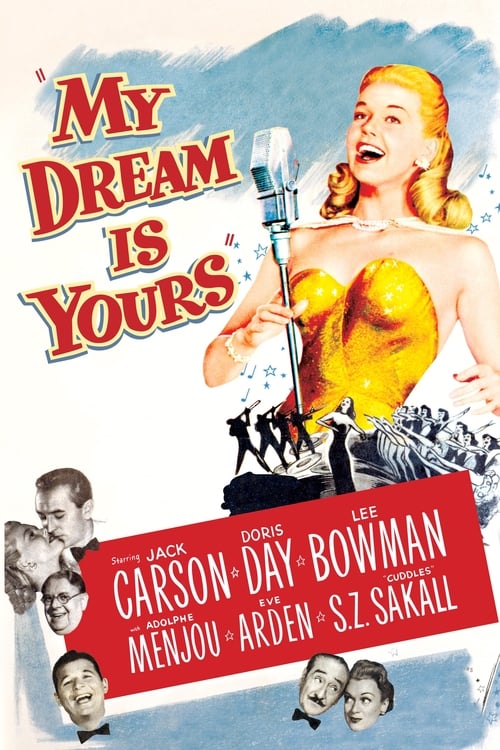
1949
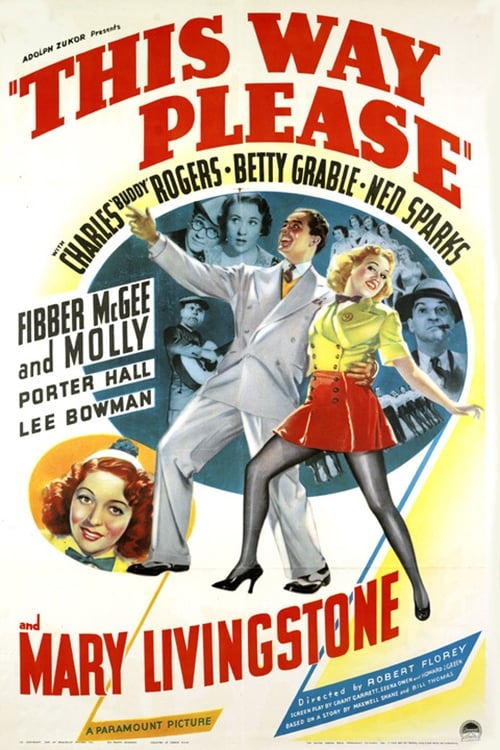
1937

1934
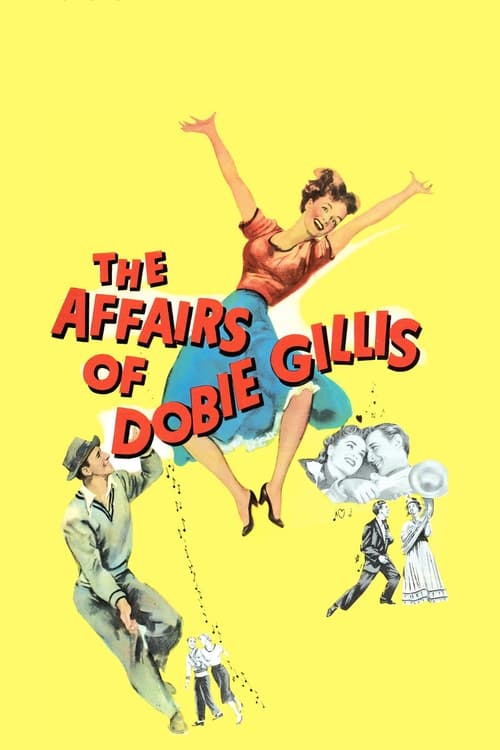
1953

1965
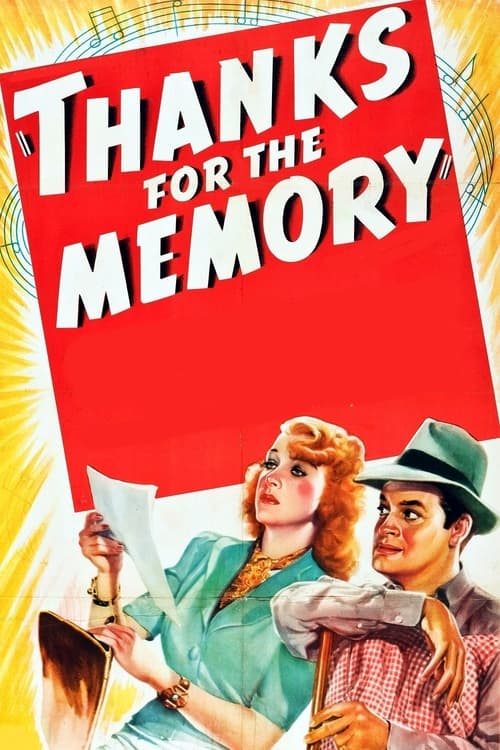
1938
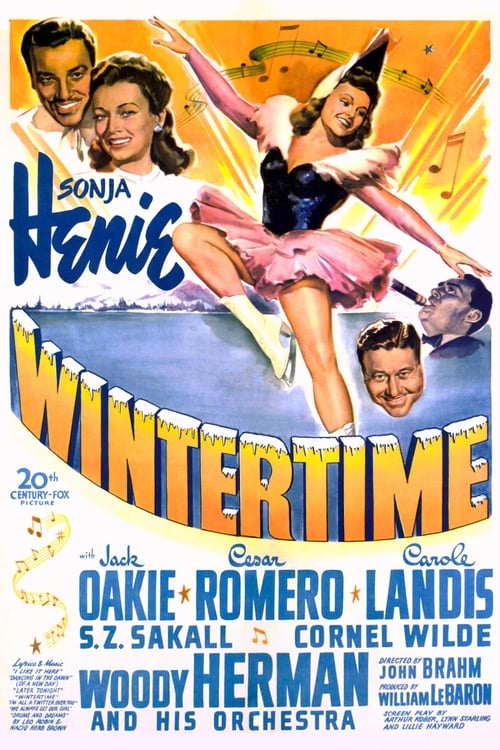
1943

1955

1935
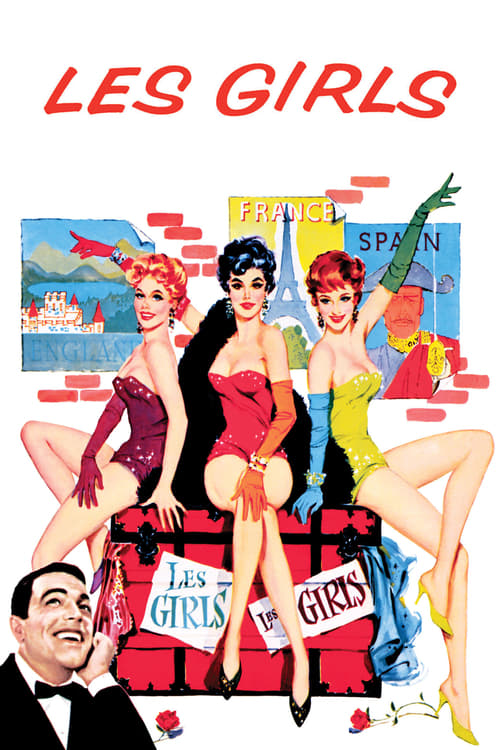
1957
No reviews yet. Be the first to share your thoughts on this movie!
Use the rating form above to leave a star rating and optional review.