
On the Riviera
1951
No user ratings available yet
Representation score: 0.4 out of 10
Representation Score
Minimal
1953
GDirector
Walter Lang
Runtime
116 minutes
Average Rating
No ratings yetNew Showbiz Analysis
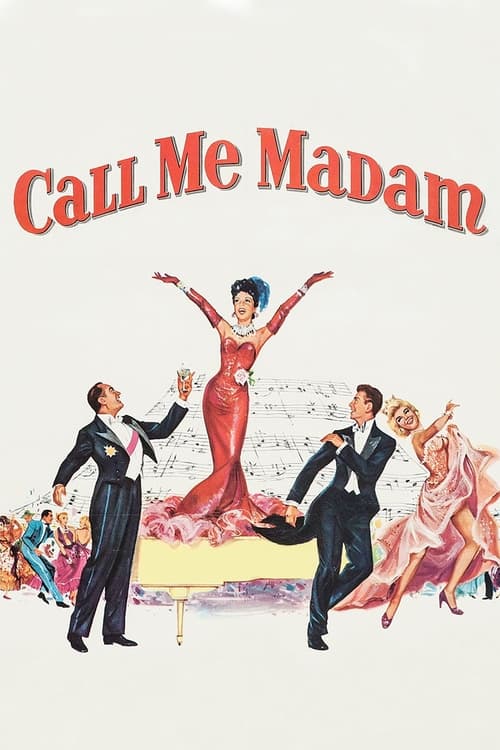
Call Me Madam is a musical from the mid-1950s that emphasizes social hierarchy and traditional romantic endings. While the protagonist shows strong leadership and wit, the film reflects the narrow social views of its era. The narrative lacks depth in representing diverse identities, such as LGBTQ+, racial diversity, or disabilities. This creates a homogeneous world that upholds the standards of whiteness and able-bodiedness typical of 1950s Hollywood. Overall, the film serves as a period piece, using the contrast between American and European traditions for comedic effect without critiquing deeper social structures.
Category Breakdown
The film strictly follows the social norms of the 1950s and does not include any LGBTQ+ characters or themes. There is no representation of non-binary or same-sex relationships.
Sally Adams, the main character, challenges traditional gender roles with her proactive and influential presence. However, the story concludes with a conventional romantic resolution.
The cast and setting are predominantly white, reflecting the production norms of the time. The film lacks meaningful racial diversity, showing a homogeneous social environment.
The film upholds traditional Western values, highlighting American diplomacy and European high society. It supports stable international relations without questioning Western institutions.
The film does not depict any visible or invisible disabilities. All characters are shown within an able-bodied context.
Present on Screen
Limited or Absent
Official Synopsis
Washington hostess Sally Adams becomes a Truman-era US ambassador to a European grand duchy.
1951
1951

1957
1937
1955

1966
1949

1953
No reviews yet. Be the first to share your thoughts on this movie!
Use the rating form above to leave a star rating and optional review.