Palindrome
1969
No user ratings available yet
Representation score: 0.6 out of 10
Representation Score
Limited
1969
Director
Hollis Frampton
Runtime
25 minutes
Average Rating
No ratings yetNew Showbiz Analysis
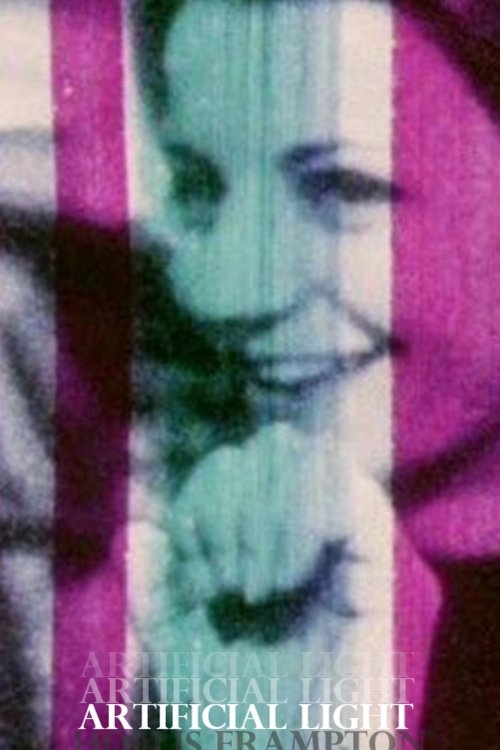
Artificial Light is a formalist experiment that emphasizes structure over personal stories. Since the subjects serve as elements of a logical formula rather than social types, traditional identity representation is limited. The film earns credit for its intellectual approach and rejection of conventional narrative norms. However, it falls short in providing social commentary on human diversity due to a lack of character-driven narratives and diverse representation.
Category Breakdown
The film does not show intimate relationships or clearly identify LGBTQ+ characters. It also doesn't explore non-traditional gender identities.
The film includes artists like Lee Lozano in casual settings. It avoids typical gender roles by presenting all subjects equally.
The film focuses on a mostly white group from the New York art scene in the late 1960s. There are no non-white characters or intentional racial diversity.
Frampton avoids traditional Western stories and moral lessons. Instead, it highlights the gap between language and images, questioning established truths.
The film concentrates on landscapes and rhythmic portraits without addressing disabilities. There are no characters representing neurodiversity or physical limitations.
Present on Screen
Limited or Absent
Official Synopsis
Artificial Light repeats variations on a single filmic utterance twenty times. The same phrase is a series of portrait shots of a group of young New York artists talking, drinking wine, laughing, smoking, informally. The individual portrait-shots follow each other with almost academic smoothness in lap-dissolves ending in two shots of the entire group followed by a dolly shot into a picture of the moon... There is a chasm between the phrase and its formal inflections. That chasm is intellectual as well as formal. Frampton loves an outrageous hypothesis; his films, all of them, take the shape of logical formulae. -- P. Adams Sitney, Film Culture Reader
1969
1973
1966
1968
1969
1972
1968
1972
No reviews yet. Be the first to share your thoughts on this movie!
Use the rating form above to leave a star rating and optional review.