Pièce touchée
1989
No user ratings available yet
Representation score: 1.9 out of 10
Representation Score
Good
1977
Director
Peter Rose
Runtime
14 minutes
Average Rating
No ratings yetNew Showbiz Analysis
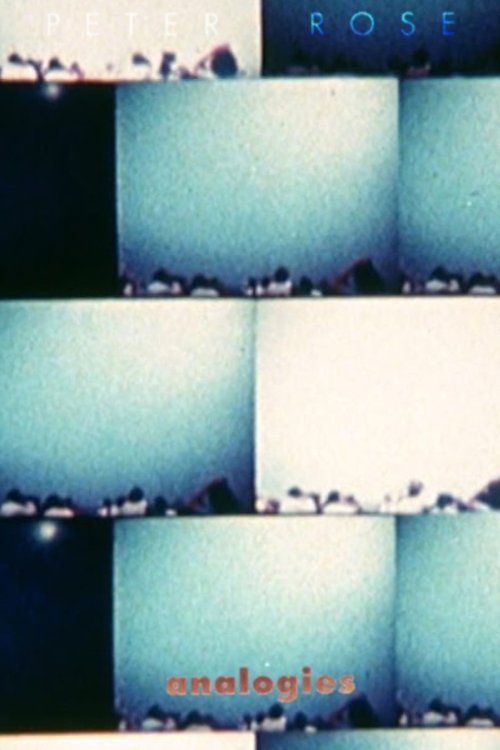
Peter Rose’s work is a formalist exercise that prioritizes the mechanics of cinema over traditional storytelling. Because the film lacks a protagonist, cast, or dialogue, it cannot engage with identity-based representation through characterization. Instead, the film's diversity is found in its structural rejection of narrative hegemony. By disrupting linear perception and utilizing multi-screen formats, it challenges the monolithic view of reality in favor of a fragmented, multi-perspectival approach. Ultimately, the film's approach reflects a neutral position. It avoids reinforcing social hierarchies by removing human subjects, though it does not provide active representation for specific underrepresented groups.
Category Breakdown
The film's abstract, non-narrative nature means there is no direct depiction of sexual orientation. Its neutral stance is a result of formalist abstraction rather than active subversion.
By removing character's ability to drive the story entirely, the film avoids traditional gender hierarchies. It bypasses masculine or feminine clichés without actively engaging in the subversion of these roles.
The work exists in a post-human, structural space that avoids racial categorization. There is no evidence of a cast or specific ethnic representation.
The film rejects traditional Western narrative structures like linear time and singular truth. It promotes epistemological relativism by favoring multiple, simultaneous truths over a single objective reality.
There is no evidence of neurodivergent or physical disability representation. The focus on sensory perception may resonate with non-standard cognitive processing, but this remains speculative.
Present on Screen
Limited or Absent
Official Synopsis
Analogies: Studies in the Movement of Time uses a variety of multiple screen formats to create an intriguing series of visual riddles. The film consists of a series of simple camera movements that are rendered "diachronically"- several different aspects of the action are presented on the screen at once. By playing with time delays between these images, new kinds of space, action, gesture, and temporality have been found. Generated from structural principles, the film is both lyrical and sensual and provokes a new understanding of time and cinema.
1989
1968
1982
1981

1970
1976
1977
1975
No reviews yet. Be the first to share your thoughts on this movie!
Use the rating form above to leave a star rating and optional review.