Ingenivm Nobis Ipsa Pvella Fecit: Part I
1974
No user ratings available yet
Representation score: 3.9 out of 10
Representation Score
Fair
1966
Director
Hollis Frampton
Runtime
17 minutes
Average Rating
No ratings yetNew Showbiz Analysis
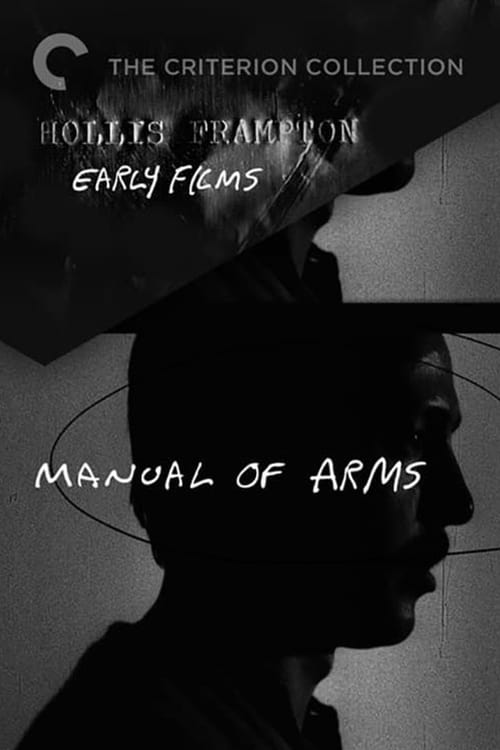
Hollis Frampton’s *Manual of Arms* is a formalist experiment that prioritizes the structural mechanics of film over character-driven social discourse. By utilizing a fourteen-part drill to observe art-world friends, the film moves away from traditional narrative structures and moral didacticism. While the film successfully disrupts conventional cinematic architecture, it remains a neutral observational study. It lacks the explicit characters who reflect more than one aspect of diversity necessary to engage with broader social themes. Ultimately, the work functions as an intellectualized study of human activity rather than a vehicle for sociopolitical commentary.
Category Breakdown
The film serves as a portrait gallery of the director's social circle. However, it focuses on ordinary activities without providing any explicit evidence of LGBTQ+ character arcs or queer-coded narratives.
Subjects are presented as aesthetic elements within a formal exercise. This abstraction neutralizes traditional gender roles, avoiding clichés of submissive femininity or masculine leadership.
The cast likely reflects the demographic composition of the 1960s avant-garde art scene. There is no documented evidence of intentional racial diversity or diverse casting.
The work disrupts Western cinematic expectations by prioritizing formalist drills over linear storytelling. It leans toward a secular, intellectualized view of human activity.
There is no evidence to suggest that disability, neurodivergence, or chronic illness are central themes or visible elements within this work.
Present on Screen
Limited or Absent
Official Synopsis
In this "fourteen-part drill for the camera," Frampton created a portrait gallery of his art-world friends engaging in a variety of ordinary activities.
1974

1969
1968

1967

2011
1974

1974
1972
No reviews yet. Be the first to share your thoughts on this movie!
Use the rating form above to leave a star rating and optional review.