Vertiges
1985
No user ratings available yet
Representation score: 4.2 out of 10
Representation Score
Limited
2001
PG-13Director
Benoît Jacquot
Runtime
120 minutes
Average Rating
No ratings yetNew Showbiz Analysis
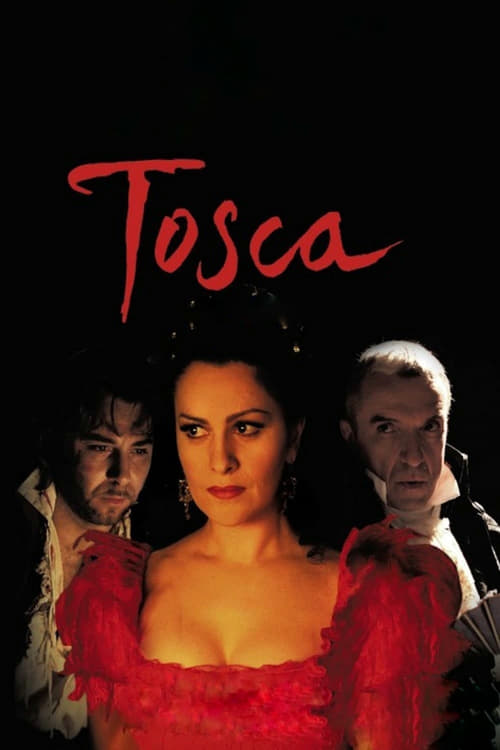
Benoît Jacquot’s adaptation prioritizes historical accuracy and the classical operatic tradition over modern approaches to diversity. The film focuses on preserving a 19th-century European narrative, which inherently limits its demographic range. Despite the lack of racial and LGBTQ+ diversity, the film excels in exploring complex power dynamics. The portrayal of gendered resistance provides a sophisticated look at navigating a repressive, autocratic system. Ultimately, the production serves as a study of historical social hierarchies. It prioritizes a focused, high-fidelity recreation of Puccini's original dramatic framework over contemporary social breadth.
Category Breakdown
The film does not include any LGBTQ+ characters or non-straight relationships. The romantic storyline stays within a traditional heterosexual framework.
The film offers a nuanced look at the protagonist's active resistance against both sexual and political coercion. She is not a passive victim but takes an active role in resisting oppression.
The production features a homogeneous European cast that aligns with its Napoleonic-era setting. There is no evidence of diverse ethnic identities or color-blind casting.
The narrative critiques the entanglement of the Catholic Church with state corruption. It highlights individual tyranny and institutional abuse within a traditional dramatic structure.
There are no prominent depictions of visible or invisible disabilities that play a central role in the narrative.
Present on Screen
Limited or Absent
Official Synopsis
Benoit Jacquot's acclaimed 2002 film of Puccini's opera stars Angela Gheorghiu in the title role, with Roberto Alagna, Ruggero Raimondi and the Chorus and Orchestra of the Royal Opera House, Covent Garden, under Antonio Pappano.
1985
1994
1953
1998

1953
1979
1982
2024
No reviews yet. Be the first to share your thoughts on this movie!
Use the rating form above to leave a star rating and optional review.