Sadako 3D
2012
No user ratings available yet
Representation score: 1.6 out of 10
Representation Score
Limited
2011
Director
Junji Ito
Runtime
60 minutes
Average Rating
No ratings yetNew Showbiz Analysis
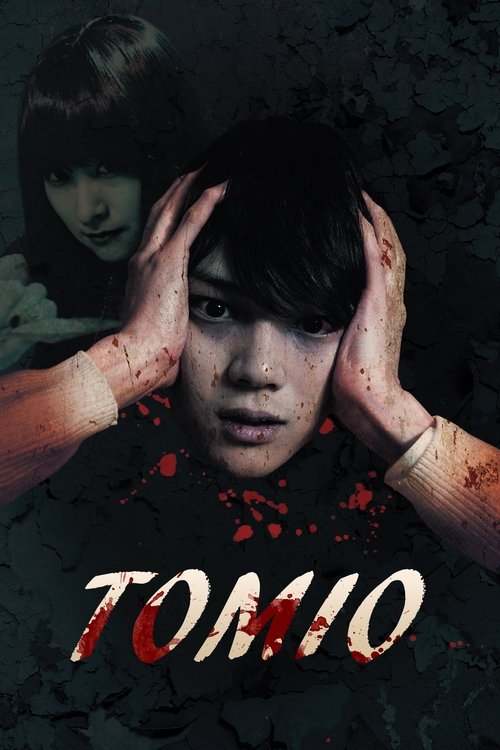
Tomio is a genre-driven horror film that prioritizes supernatural spectacle and moralistic retribution over social complexity. While female characters act as the primary catalysts for the plot, the narrative remains anchored in traditional gendered clichés and straight-centered structures. The film uses physical impairment as a tool for body horror, focusing on the visceral shock of the protagonist's condition rather than providing a nuanced portrayal of disability. This reliance on genre conventions limits the depth of its character studies. Ultimately, the work functions as a culturally specific tale of superstition and individual consequence. It lacks the multi-layered layers or systemic critiques necessary to move beyond standard horror archetypes.
Category Breakdown
The story revolves around a traditional heterosexual relationship between Tomio and Madoka. There are no representations of non-cisgender identities or same-sex relationships.
Madoka and the psychic play crucial roles, giving a significant role in driving the story to female characters. However, the film leans on conventional archetypes such as the seductive woman and the guilt-ridden man.
The film is set in a Japanese cultural context. It does not include multi-ethnic casting or racial blending, suggesting a homogeneous setting.
Superstition and supernatural forces are central to the plot. The film emphasizes personal morality and individual choices without addressing broader institutional issues.
The protagonist's physical struggle is used mainly as a body-horror spectacle. The condition serves the genre's need for visceral terror rather than exploring the lived experiences of disability.
Present on Screen
Limited or Absent
Official Synopsis
A young couple, Tomio and Madoka, decide to get married. Madoka convinces Tomio to visit a fortune teller to have their future foretold. He's immediately attracted to the seductive psychic and returns to her late one night. When he comes to his senses he rejects her out of guilt and tries to leave, but she puts a curse on him out of frustration. Now, Tomio roams the streets trying to, literally, keep his head on straight!
2012
2000
2011
2003
2001
2007
2011
2015
No reviews yet. Be the first to share your thoughts on this movie!
Use the rating form above to leave a star rating and optional review.