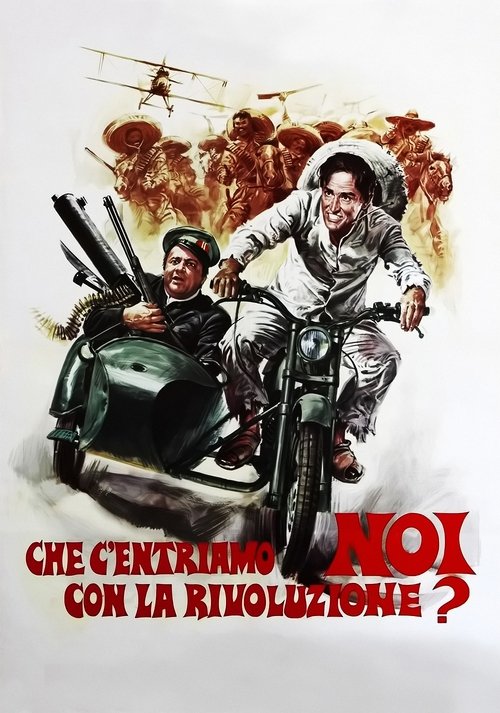
What Am I Doing in the Middle of the Revolution?
1972
No user ratings available yet
Representation score: 2.9 out of 10
Representation Score
Fair
1971
PGDirector
Duccio Tessari
Runtime
115 minutes
Average Rating
No ratings yetNew Showbiz Analysis
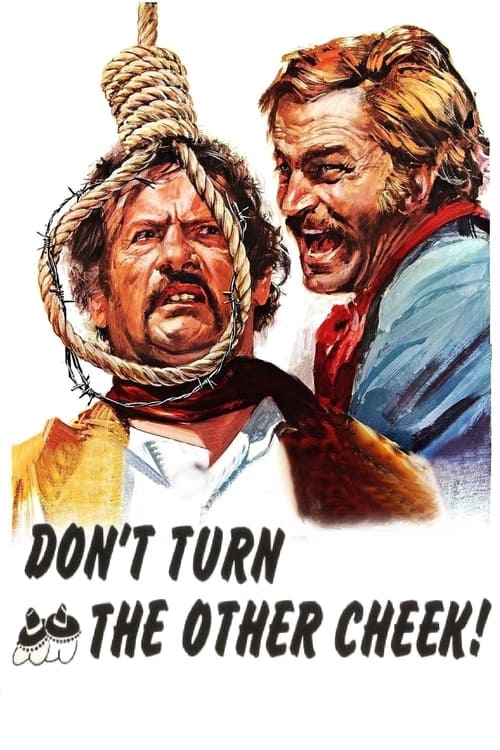
Don't Turn the Other Cheek stands apart from traditional Westerns by focusing on ideological disruption rather than strict moral codes. By placing a female character at the heart of the political movement, the film grants her significant influence over the story. While the cast includes diverse ethnic backgrounds, the narrative primarily follows the adventures of travelers in a foreign land. The film excels in its critical examination of established social and religious institutions. Overall, the film achieves a moderate diversity score by dismantling conventional heroic archetypes and introducing morally complex characters.
Category Breakdown
The film does not include explicit representations of LGBTQ+ identities or same-sex relationships. The story centers on a trio of adventurers without intentionally featuring diverse gender identities.
Mary O'Donnell challenges traditional gender roles as a radical journalist who drives the plot forward. She holds significant influence and intellectual authority, subverting the male-dominated clichés of the Western genre.
The story features an international cast including characters of Irish, Russian, and Mexican backgrounds. This mix of ethnicities offers a contrast to the genre's usual homogeneous casts.
The film critiques institutional authority through a potentially fraudulent religious figure and a revolutionary protagonist. It replaces traditional heroism with complex moral situations.
There is no depiction of physical or neurodivergent disabilities within the narrative.
Present on Screen
Limited or Absent
Official Synopsis
A spaghetti western in which three adventurers team up during the Mexican Revolution. Mary O'Donnell, a radical Irish journalist, wants to foment a peasant revolt in Mexico. She enlists the help of a seedy bandit, Lozoya, by saving him from a death sentence in Utah. They meet a man calling himself Prince Dmitri Vassilovich Orlowsky, who claims to be a Russian prince, not to mention a man of the cloth. Wallach pretends to be a Mexican folk hero. The trio crosses the border, the two men seeking a cache of gold while O'Donnell pursues her revolution.
1972
1975
1975
1968
1965
1970
1968
1986
No reviews yet. Be the first to share your thoughts on this movie!
Use the rating form above to leave a star rating and optional review.