
Pier 5, Havana
1959
No user ratings available yet
Representation score: 2.0 out of 10
Representation Score
Limited
1949
NRDirector
John Huston
Runtime
106 minutes
Average Rating
No ratings yetNew Showbiz Analysis
John Huston’s drama focuses on the subversion of political hierarchies and the dismantling of state authority. The narrative follows a revolutionary trajectory, highlighting characters who aim to disrupt centralized power structures through targeted actions. The film presents a strong female lead who play a significant role in driving the story and explores themes of anti-institutionalism. However, it lacks representation for LGBTQ+ identities and characters with disabilities. The narrative primarily centers on the central romantic pairing and the tactical goals of the revolutionary group.
Category Breakdown
The film centers on a romantic relationship between China Valdes and Tony Fenner. It does not include characters with non-cisgender identities or stories that question the assumption that everyone is straight.
China Valdes is a main character who plays a significant role in driving the story. She actively participates in underground revolutionary activities and tactical planning, rather than being confined to a passive or domestic role.
The story is set in Cuba and features a local protagonist alongside an American expatriate. This combination suggests a narrative that goes beyond a single cultural perspective.
The film portrays traditional state institutions as corrupt and oppressive. It emphasizes the importance of disrupting the status quo and promoting revolutionary change over maintaining the current social order.
There is no mention or depiction of characters with physical or neurodivergent disabilities.
Present on Screen
Limited or Absent
Official Synopsis
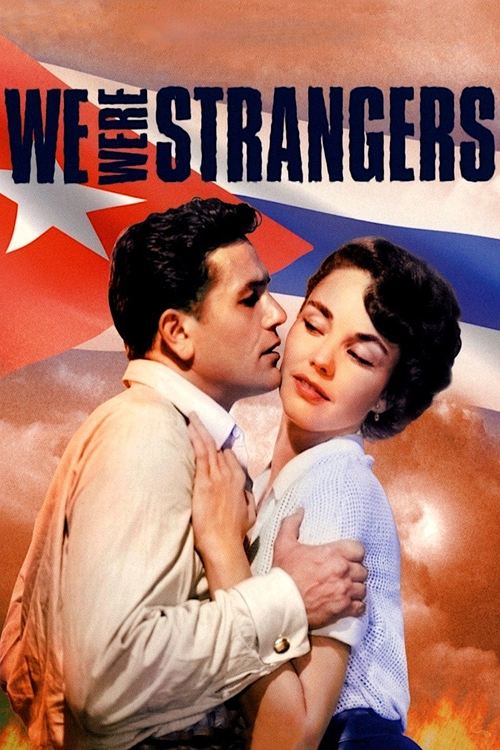
China Valdes joins the Cuban underground after her brother is killed by the chief of the secret police, Ariete. She meets and falls in love with American expatriate Tony Fenner. Tony develops a plan to tunnel under the city's cemetery to a plot owned by a high official, assassinate him, and blow up the whole Cuban hierarchy at the ensuing state funeral. Together with a band of dedicated revolutionaries, they begin digging.
1959

1965
1990
1945
1979
1937
1963
1943
No reviews yet. Be the first to share your thoughts on this movie!
Use the rating form above to leave a star rating and optional review.