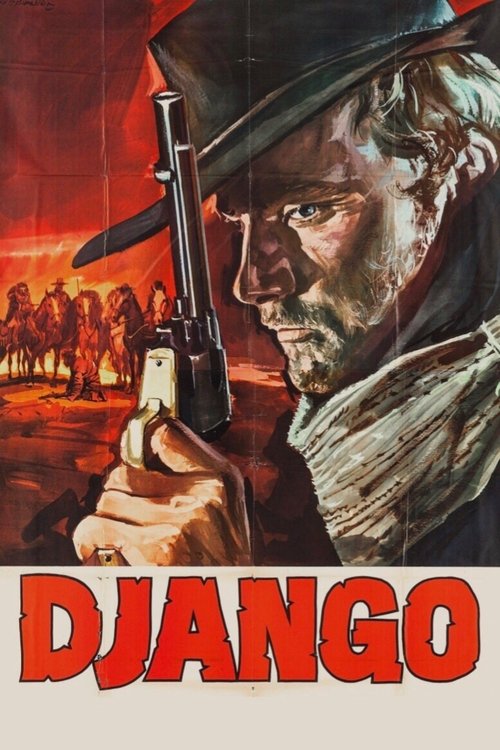
Django
1966
No user ratings available yet
Representation score: 4.0 out of 10
Representation Score
Fair
1968
PG-13Director
Sergio Corbucci
Runtime
101 minutes
Average Rating
No ratings yetNew Showbiz Analysis
The film stands out by challenging traditional Western narratives, shifting from moral certainty to situational ethics. It offers a nuanced, post-colonial perspective by highlighting the systemic oppression of Mexican peasants. While the film excels in cultural critique and ethnic diversity, it falls short in representing LGBTQ+ and disabled communities. This limits its overall diversity score. Overall, the film is a sophisticated deconstruction of authority, featuring a transnational cast to challenge the homogeneity often found in the genre.
Category Breakdown
The film does not include any LGBTQ+ characters or non-straight identities. Relationships and interactions stay within traditional romantic and transactional frameworks.
Female characters play key roles in driving the plot, but the story later shifts back to a male-dominated framework where violence resolves conflicts.
The Mexican Revolution setting highlights the ability to act of non-Anglo-Saxon characters. Including a Polish mercenary adds a transnational dynamic to the ethnic mix.
The narrative criticizes oppressive power structures such as the landed gentry and centralized government. It emphasizes the ideological struggles of revolutionaries over established institutions.
There are no depictions of physical or neurodivergent disabilities. Characters with disabilities are not used as central plot devices.
Present on Screen
Limited or Absent
Official Synopsis
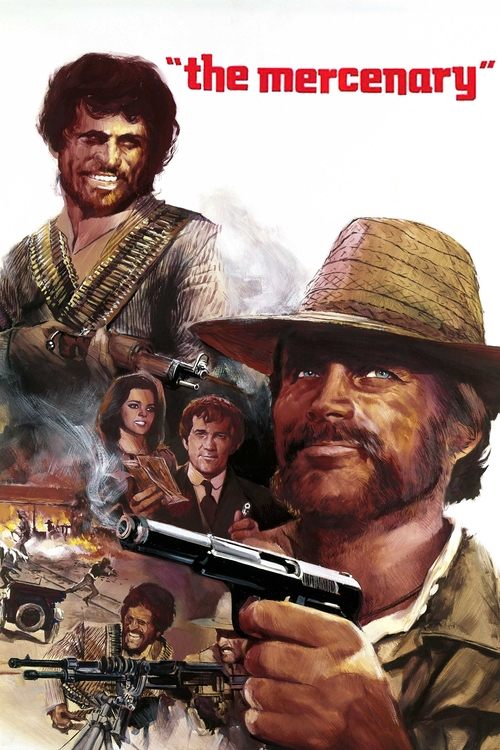
While a Mexican revolutionary lies low as a U.S. rodeo clown, the cynical Polish mercenary who tutored the idealistic peasant tells how he and a dedicated female radical fought for the soul of the guerrilla general Paco, as Mexicans threw off repressive government and all-powerful landowners in the 1910s. Tracked by the vengeful Curly, Paco liberates villages, but is tempted by social banditry's treasures, which Kowalski revels in.
1966

1970
1972
1954
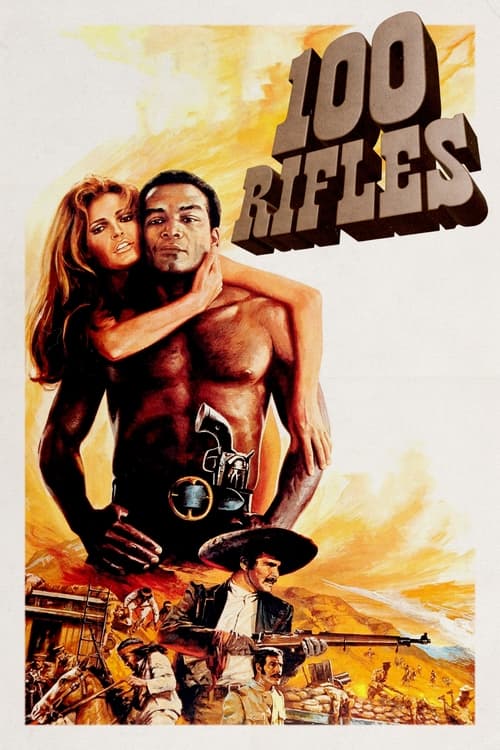
1969
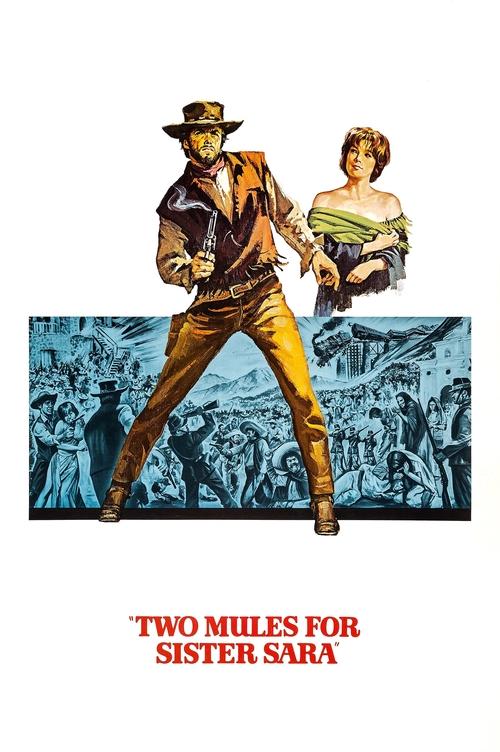
1970
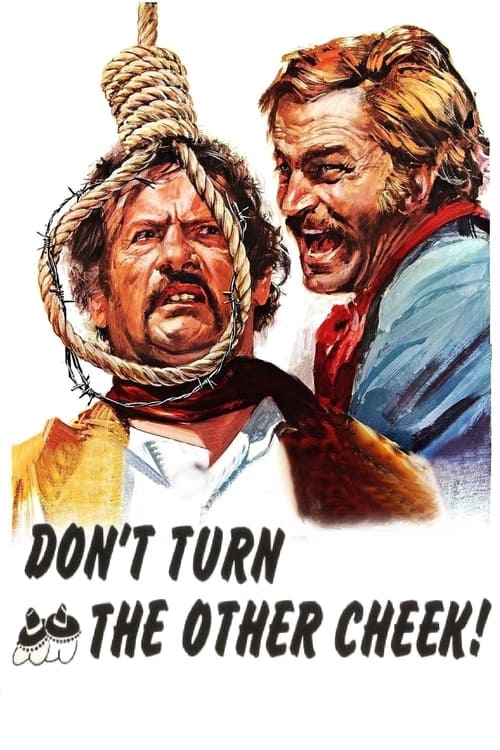
1971
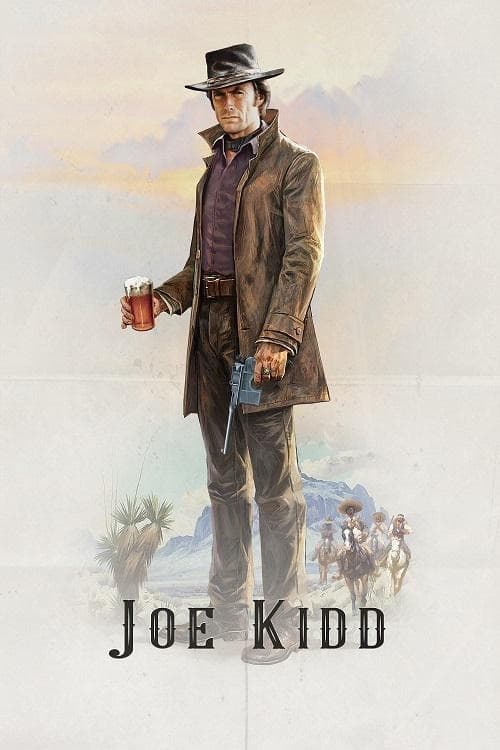
1972
No reviews yet. Be the first to share your thoughts on this movie!
Use the rating form above to leave a star rating and optional review.