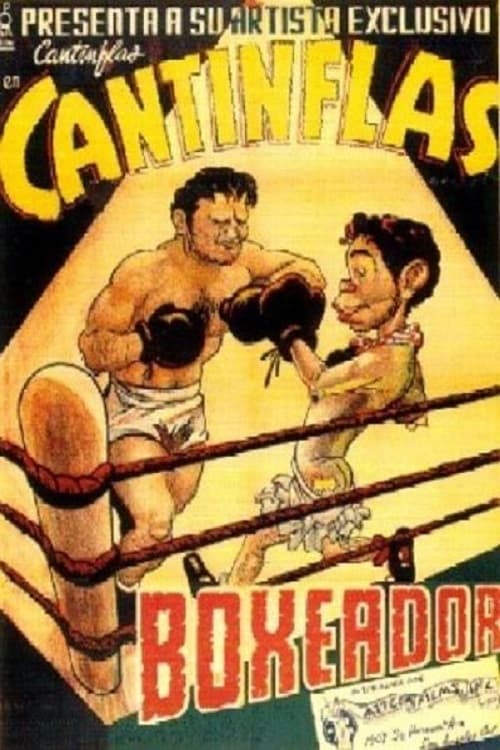
Cantinflas boxeador
1940
No user ratings available yet
Representation score: 3.0 out of 10
Representation Score
Limited
1941
Director
Alejandro Galindo
Runtime
104 minutes
Average Rating
No ratings yetNew Showbiz Analysis
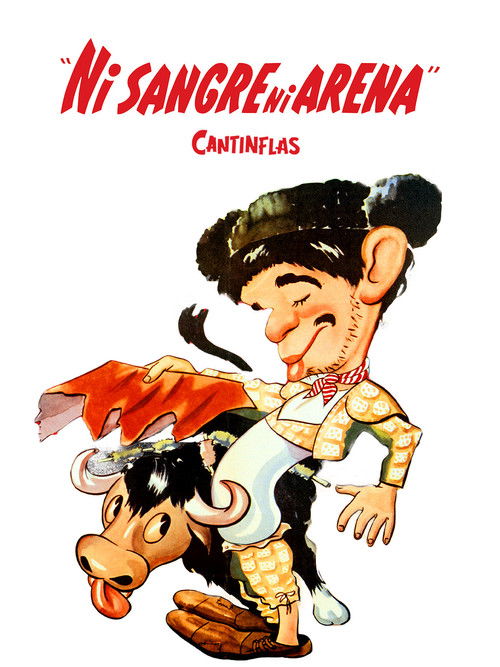
Ni sangre ni arena is a foundational work of Mexican Golden Age cinema that uses the Cantinflas persona to navigate themes of mistaken identity. The film functions primarily as a character-driven comedy centered on the spectacle of bullfighting. While the film operates within the traditional frameworks of 1941, its progressive value lies in its use of social realism. It disrupts class-based expectations by suggesting that courage is not the sole province of the elite. Ultimately, the film offers a subtle commentary on the fluidity of social standing through the lens of comedic mistaken identity, even if it lacks modern identity politics.
Category Breakdown
The film focuses on the traditional masculine spectacle of the bullring. There is no evidence of LGBTQ+ identities or narratives that critique the assumption that everyone is straight or cisgender.
The story centers on male-dominated traditions and the comedic role of a male protagonist. Women play secondary roles to the main masculine conflict.
The film features a predominantly Mestizo cast reflecting the national identity of the era. It centers Mexican cultural traditions rather than Anglo-centric norms.
The story subtly challenges the exclusivity of high-status social rituals. It prioritizes individual wit over rigid adherence to professional or class-based decorum.
There are no prominent depictions of physical or neurodivergent disabilities used as central plot devices or character traits.
Present on Screen
Limited or Absent
Official Synopsis
Cantinflas enjoys the bullfight show, and wants to crash in every of these spectacles. Also, there's a professional bullfighter, Manolete, who is identical to Cantinflas. Manolete has to give a bullfight show in a village, but Cantinflas arrives first as a stowaway in a train, and he'll be mistake by the real bullfighter. Cantinflas will give us a demonstration of courage.
1940

1963
1910
1944
1948
1942

1940
1963
No reviews yet. Be the first to share your thoughts on this movie!
Use the rating form above to leave a star rating and optional review.