The Letters
1973
No user ratings available yet
Representation score: 0.9 out of 10
Representation Score
Minimal
1961
ADirector
Max Varnel
Runtime
72 minutes
Average Rating
No ratings yetNew Showbiz Analysis
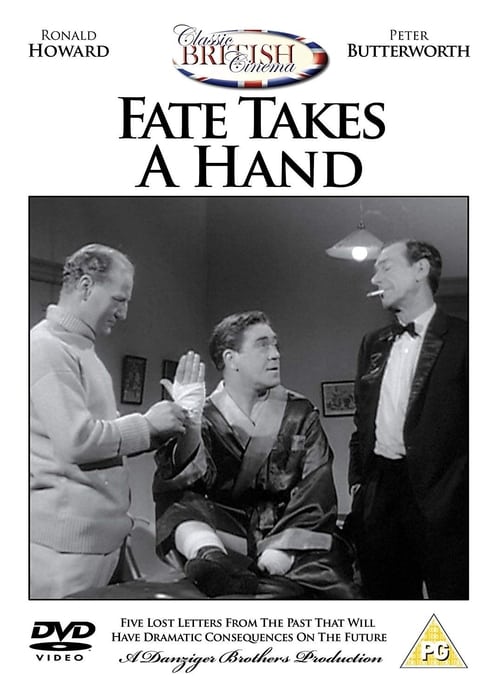
Fate Takes a Hand is a traditional 1961 British anthology drama that focuses on established social structures. The narrative revolves around the impact of long-lost letters on five specific recipients within a local community. The film adheres to the demographic and social norms of its time. It explores interpersonal consequences through a focused character study without challenging the status quo or multi-layered complexity. Overall, the production is a conventional social drama that reflects the homogeneous perspective of its era without disrupting traditional hierarchies.
Category Breakdown
The film doesn't include any LGBTQ+ characters or stories that challenge the assumption that everyone is straight. It follows the social norms of 1961 Britain.
Female performers play important roles, but their characters likely conform to traditional roles centered around domestic life or relationships with men. The film doesn't challenge these roles.
The film reflects a society that is mostly white and Anglo-Saxon, typical of its time. There is no indication of diverse racial or ethnic representation.
The story emphasizes community stability and correcting past mistakes. It doesn't show any anti-institutional or anti-Western sentiments.
The film doesn't feature neurodivergence or physical disabilities as central themes. The anthology format doesn't highlight these experiences.
Present on Screen
Limited or Absent
Official Synopsis
When a mail bag full of post that was taken in a robbery is discovered fifteen years later, a Post Office employee and local reporter decide to deliver the letters to their original intended addressees. This solitary incident has profound ramifications on several of the recipients and this film tells the story of how just five of those letters changed peoples lives forever.
1973

1987

1985

1959
1958
1966
1995
1949
No reviews yet. Be the first to share your thoughts on this movie!
Use the rating form above to leave a star rating and optional review.