Fate Takes a Hand
1961
No user ratings available yet
Representation score: 1.9 out of 10
Representation Score
Minimal
1973
Director
Paul Krasny, Gene Nelson
Runtime
74 minutes
Average Rating
No ratings yetNew Showbiz Analysis
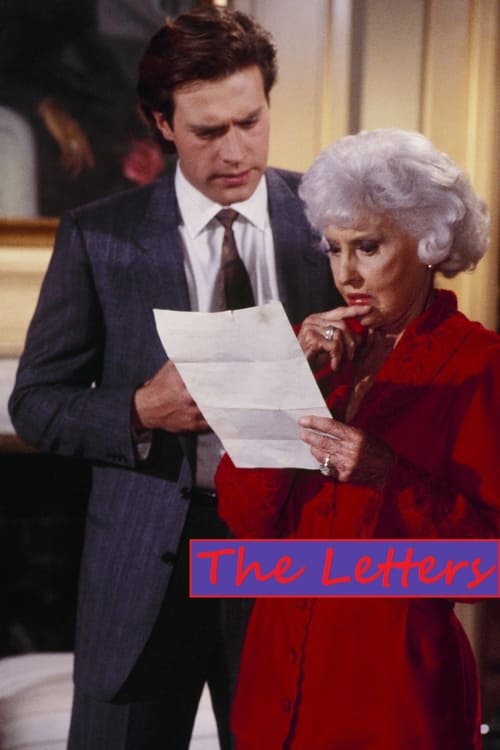
The Letters is a conventional 1973 television drama that reflects the representational constraints of its time. The narrative structure lacks complexity and reinforces the prevailing social hierarchies of the early 1970s. The film focuses on interpersonal relationships through the lens of delayed correspondence, without attempting to subvert cultural hierarchies or promote diverse storytelling. Ultimately, the production adheres to the traditional broadcast standards of the mid-20th century, prioritizing established social norms over diverse or disruptive storytelling.
Category Breakdown
The film does not include any representation of non-binary genders or same-sex relationships, following the conventions of 1973 television.
The narrative likely relies on traditional domestic roles and gendered expectations common to the era, with no indication of women exercising a significant role in driving the story or challenging masculine leadership.
The story appears to center on a homogeneous social group, reflecting the era's tendency to depict Western, middle-class experiences as the default norm without significant non-white representation.
The drama operates within a framework of traditional morality and social stability, lacking any critiques of Western institutions, capitalism, or secularism, adhering to the social norms of the 1970s.
There is no information suggesting the inclusion of characters with visible or invisible disabilities. The plot focuses on communication delays rather than the lived experiences of disabled individuals.
Present on Screen
Limited or Absent
Official Synopsis
Story of people whose lives were changed because of a year-long delay in the delivery of some letters.
1961
1966

2016

1957

2016

1989

1985

2013
No reviews yet. Be the first to share your thoughts on this movie!
Use the rating form above to leave a star rating and optional review.