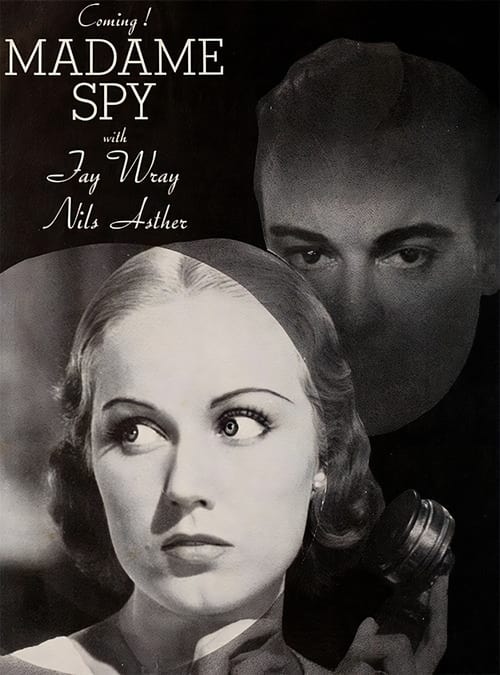
Madame Spy
1934
No user ratings available yet
Representation score: 2.9 out of 10

Representation Score
Fair
1946
NRDirector
Edgar G. Ulmer
Runtime
83 minutes
Average Rating
No ratings yetNew Showbiz Analysis
The film stands out for its subversion of 1940s gender stereotypes. Haydée is not a passive domestic figure; her physical competence and tactical decisions make her a central hero. While the film lacks LGBTQ+ or disability representation, it offers a meaningful critique of institutional authority. The tension between individual vengeance and systemic oppression adds cultural depth. Ultimately, the film's strength lies in its character dynamics, particularly how it elevates a female lead to a position of martial and narrative power.
Category Breakdown
The film centers on the marriage between Edmund Dantès and Haydée, with no explicit LGBTQ+ identities or non-straight relationships.
Haydée challenges traditional gender roles by being a strong, active protagonist. Her martial skills and tactical decisions play a key role in driving the plot.
The inclusion of Haydée, who has non-Western origins, adds ethnic diversity to a 1940s production. However, the casting remains largely centered on Western characters.
The film critiques formal legal systems by portraying the policeman as an agent of systemic oppression. It emphasizes individual justice and subjective morality over state-sanctioned laws.
The narrative does not include any visible or invisible disabilities. No characters are shown with disabilities used as plot devices.
Present on Screen
Limited or Absent
Official Synopsis
In this sequel to the original story, Monte Cristo count Edmund Dantes (Martin Kosleck) returns to Paris to get revenge but soon finds himself pursued by a cruel policeman. The count's brave wife Haydée throws the cop off her husband's scent by dressing up as the masked avenger herself and proving that she too is most competent with a sword.
1934
1940
1963
1952
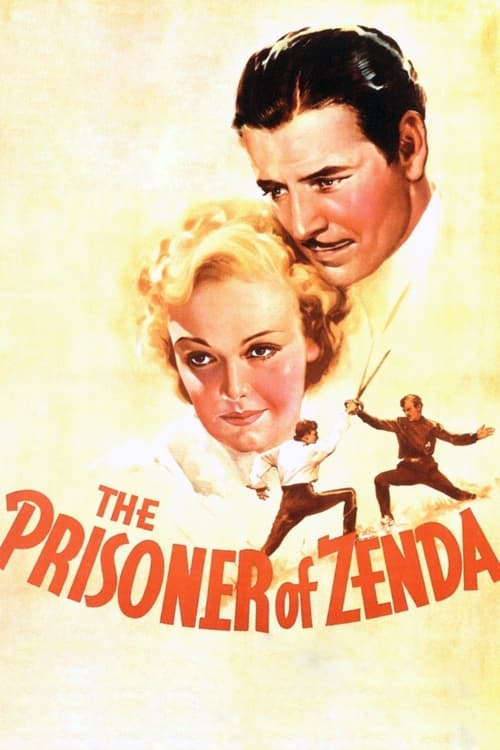
1937

1964
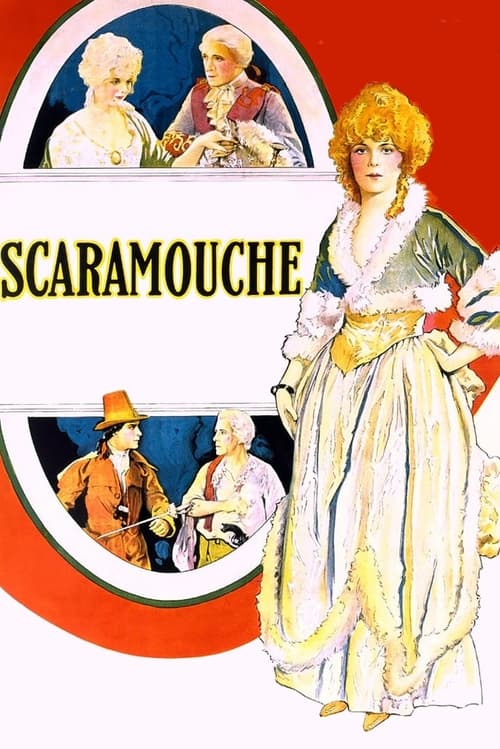
1923
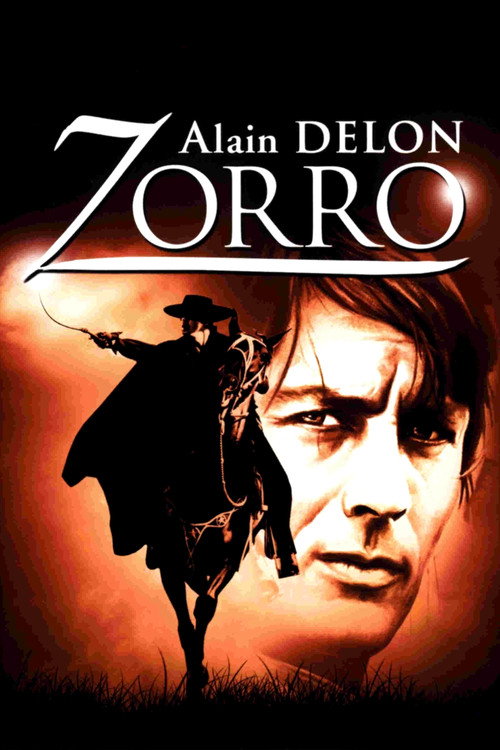
1975
No reviews yet. Be the first to share your thoughts on this movie!
Use the rating form above to leave a star rating and optional review.