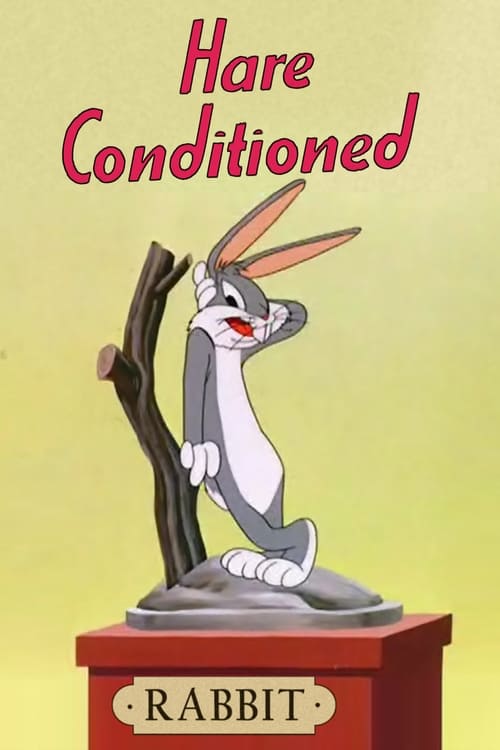
Hare Conditioned
1945
No user ratings available yet
Diversity score: 1.8 out of 10

1950
Director
Chuck Jones
Runtime
7 minutes
Average Rating
No ratings yetSynopsis
A construction worker destroys Bugs' home with a steam shovel and refuses to repair the damage.
Overall Score
Limited
Category Breakdown
LGBTQ+ Representation
The film focuses on a binary conflict between the protagonist and antagonist. There is no evidence of non-cisnormative identities or critiques of heteronormativity.
Gender Representation
Characters adhere to traditional mid-century archetypes. The antagonist is portrayed through a lens of incompetent, blue-collar masculinity without subverting gendered power dynamics.
Racial & Ethnic Diversity
Characterization is homogeneous, reflecting the social constraints of 1950s animation. The film lacks a diverse cast or intentional racial blending.
Religious & Cultural Diversity
The narrative offers a critique of industrial capitalism and private property. It frames the worker's refusal to repair damage as a systemic failure.
Disability Representation
No characters are portrayed with visible or invisible disabilities. There is no narrative engagement with neurodivergence or physical impairment.
Strengths
Areas for Improvement
AI Analysis
Homeless Hare is a character-driven comedy that prioritizes intellectual wit over intersectional representation. While the demographic makeup remains largely traditional for its era, the film's narrative architecture offers a subtle, progressive skepticism toward established institutional norms. The work functions as a critique of industrial authority rather than a showcase for identity-based diversity. It explores the tension between individual agency and the destructive, impersonal forces of mechanical progress. Ultimately, the film's value lies in its social commentary regarding systemic responsibility rather than its depiction of diverse human identities.
1945
1942
1945
1951

1953
1964
1949
1952
1948
1965
1953
1957
No reviews yet. Be the first to share your thoughts on this movie!
Use the rating form above to leave a star rating and optional review.